


Key Takeaways
- On February 28, 2026, Israel executed a “pre-emptive strike” against Iran in coordination with American forces
- President Trump authorized “major combat operations” targeting Iranian facilities
- Iran shut down its airspace nationwide and promised a “crushing” response
- Supreme Leader Khamenei was evacuated to a protected facility outside the capital
- Washington labeled Iran a “state sponsor of wrongful detention” hours before the attack
A coordinated pre-emptive military operation against Iran was executed by Israel on February 28, 2026. An Israeli defense official speaking to Reuters confirmed the action was undertaken jointly with American military forces.
President Donald Trump authorized what he described as “major combat operations” against Iranian targets. According to CNN’s reporting, the military strikes concentrated on Iran’s defense infrastructure and military installations.
The military action represented months of strategic planning. Israeli defense sources indicated the execution date had been finalized several weeks prior to the operation.
Israel Katz, serving as Defence Minister, publicly announced the military action while simultaneously declaring nationwide emergency protocols. Officials characterized this as preparation for expected Iranian counterstrikes.
Warning sirens blared throughout Israeli territory approximately 08:15 local time. Citizens received emergency mobile notifications characterizing the threat level as “extremely serious.”
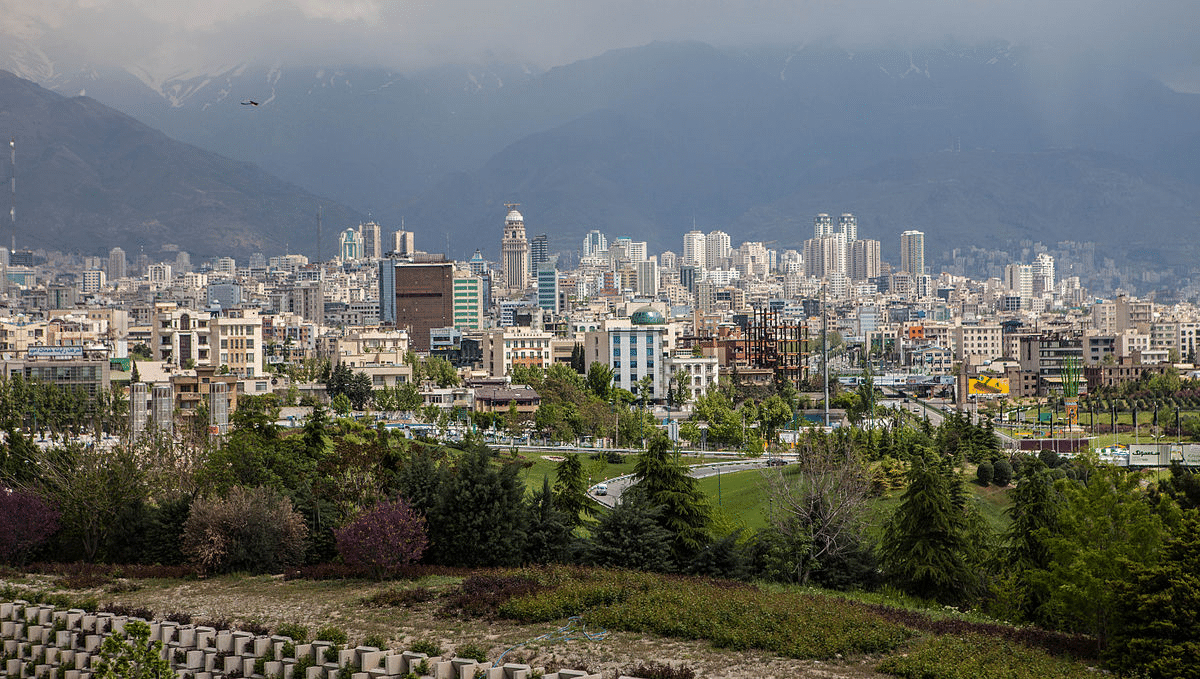
Journalists from AFP stationed in Tehran reported hearing two significant explosions. Dense smoke columns became visible rising from Tehran’s central and eastern districts.

According to Iran’s Fars news agency, the “type of explosions suggests a missile attack.” Iranian authorities have not yet released comprehensive damage assessments.
Iran’s Civil Aviation Organisation ordered complete closure of the nation’s airspace following the detonations. The shutdown was implemented “until further notice” according to official statements.
Tehran’s Reaction and Leadership Security
An Iranian government source informed Reuters that preparations are underway for a “crushing” military response. Ayatollah Ali Khamenei, Iran’s Supreme Leader, was transported from Tehran to an undisclosed secure compound.
These strikes represent an escalation following a 12-day aerial conflict between the two nations that occurred in June 2025. Both Washington and Jerusalem had issued repeated warnings about potential military action if Iran persisted with its nuclear enrichment and missile development programs.
Washington Labels Iran Over American Detainees
Coinciding with the military operation, the State Department designated Iran a “state sponsor of wrongful detention.” Iran becomes the inaugural nation added to this sanctions list, established through a Trump executive directive issued in September 2025.
Secretary of State Marco Rubio demanded the immediate release of all American citizens detained in Iran. He indicated that US passport validity for Iranian travel could be revoked in future actions.
Trump separately demanded complete cessation of uranium enrichment activities in Iran, including programs designated for civilian energy production. This announcement followed indirect negotiations between Washington and Tehran held in Geneva just 24 hours earlier, where both delegations reported constructive progress.
Oman’s Foreign Minister, who facilitated the Geneva discussions, reported Iran committed to eliminating stockpiles of enriched uranium. He characterized this as a significant diplomatic achievement with potential to avert broader military conflict.
Despite Trump stating Friday he had not reached a “final decision” regarding military strikes, operations commenced Saturday morning.
Get 3 Free Stock Ebooks
Discover top-performing stocks in AI, Crypto, and Technology with expert analysis.
- Top 10 AI Stocks - Leading AI companies
- Top 10 Crypto Stocks - Blockchain leaders
- Top 10 Tech Stocks - Tech giants


