


TLDRs:
- Tesla begins Model Y deliveries at Gurugram, targeting premium EV buyers in India.
- Gurugram center offers consultations, bookings, and test drives for the first time.
- Imported Model Y variants face steep duties, keeping prices in India’s luxury segment.
- Tesla expands charging network with fast and destination chargers along key routes.
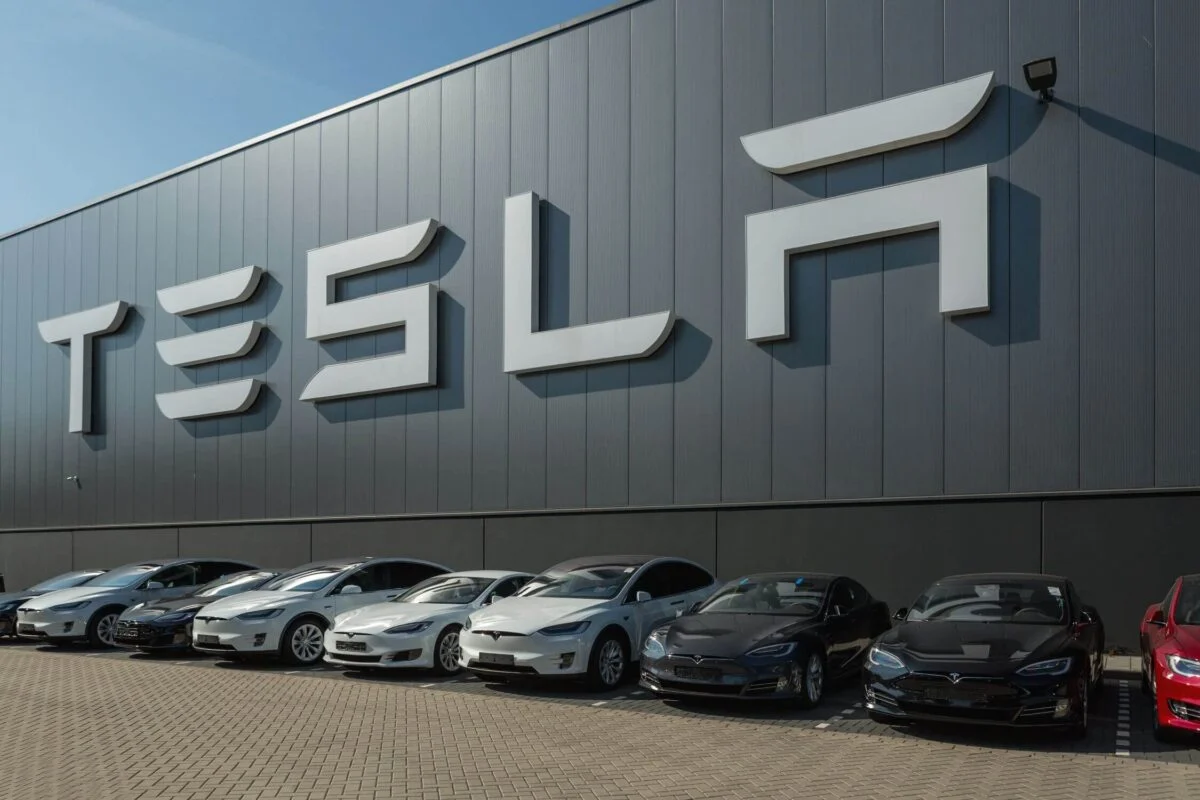
Tesla has officially started delivering its Model Y vehicles at its new facility in Gurugram, marking a significant step in the company’s expansion in India.
Early recipients of the vehicles include notable Indian entrepreneurs such as Paytm founder Vijay Shekhar Sharma and former Zomato food delivery CEO Rakesh Ranjan. Since opening bookings in July, Tesla has sold around 140 units in the country, a figure reflecting the premium positioning of the brand in India’s emerging electric vehicle market.
The Gurugram facility is Tesla’s third in India and represents the first center to offer full consultations, bookings, and test drives.
Unlike previous locations that focused primarily on brand familiarization and display, this center allows potential customers a hands-on experience, signaling Tesla’s deeper commitment to the Indian market.
Luxury Pricing Limits Broader Adoption
Tesla launched two imported Model Y variants in India, priced at ₹59.9 lakh (approximately US$33,600) and ₹67.9 lakh (around US$38,100), both of which are shipped from Shanghai. These vehicles are subject to an import duty of 70%, which places them firmly in India’s luxury car segment.
With average car prices in India hovering below ₹20 lakh, the Model Y is accessible primarily to affluent city residents. Further complicating affordability, an order-to-delivery conversion remains modest, with fewer than 150 cars delivered since bookings opened.

Despite more than 600 orders recorded between mid-July and late August, sales have been slower than expected, with October seeing only 40 units delivered.
Local EV policy changes could influence Tesla’s strategy. Cars above $40,000 incur a 110% duty, while the government’s new EV policy reduces duties to 15% for companies investing over ₹4,150 crore in domestic manufacturing.
Tesla has not yet confirmed any plans for local production, meaning imported units will continue to face steep taxes, keeping prices high.
Charging Infrastructure Expansion
Tesla is also expanding its charging network in India, a critical component for supporting EV adoption. Currently, four sites are operational, hosting 16 Superchargers (DC fast chargers) and 10 destination chargers for longer stops.
The company plans to roll out a total of eight locations, extending beyond Mumbai, Delhi, and Gurugram to popular hubs and tourist destinations.
Tesla’s fourth-generation DC fast chargers, priced at ₹24 per kWh with 250 kW capacity, will complement destination chargers costing ₹14 per kWh at 11 kW.
The company is strategically scouting highway routes and partnering with malls and hotels to provide convenient charging locations, creating opportunities for investors in the EV infrastructure space.
Future Outlook in India
Tesla’s entry into Gurugram reflects both ambition and caution. By targeting premium buyers, offering test drives, and gradually expanding its charging network, the company is establishing a foothold in India’s growing EV market while navigating high import duties and limited domestic production.
Analysts suggest that long-term growth may depend on local manufacturing, which could significantly reduce costs and broaden access to a wider audience.
Get 3 Free Stock Ebooks
Discover top-performing stocks in AI, Crypto, and Technology with expert analysis.
- Top 10 AI Stocks - Leading AI companies
- Top 10 Crypto Stocks - Blockchain leaders
- Top 10 Tech Stocks - Tech giants


