


Key Takeaways
- First quarter electric vehicle sales in the United States are forecast to decline 28% year-over-year despite surging gasoline costs
- Tesla’s quarterly vehicle deliveries are anticipated to drop 4.6% compared to the same three-month period last year
- Average gasoline prices nationwide have increased by $1 per gallon since February, nearing the $4 threshold
- Electric vehicles command a price premium of approximately $6,500 over conventional gasoline-powered vehicles, while financing costs remain elevated
- Federal EV tax incentives were eliminated last fall, removing a key purchasing motivator
The recent surge in gasoline prices across America, driven by geopolitical tensions involving Iran, has failed to generate the anticipated boost in electric vehicle purchases. Despite conventional wisdom suggesting higher fuel costs would accelerate EV adoption, first quarter sales data tells a different story—and Tesla is feeling the impact.
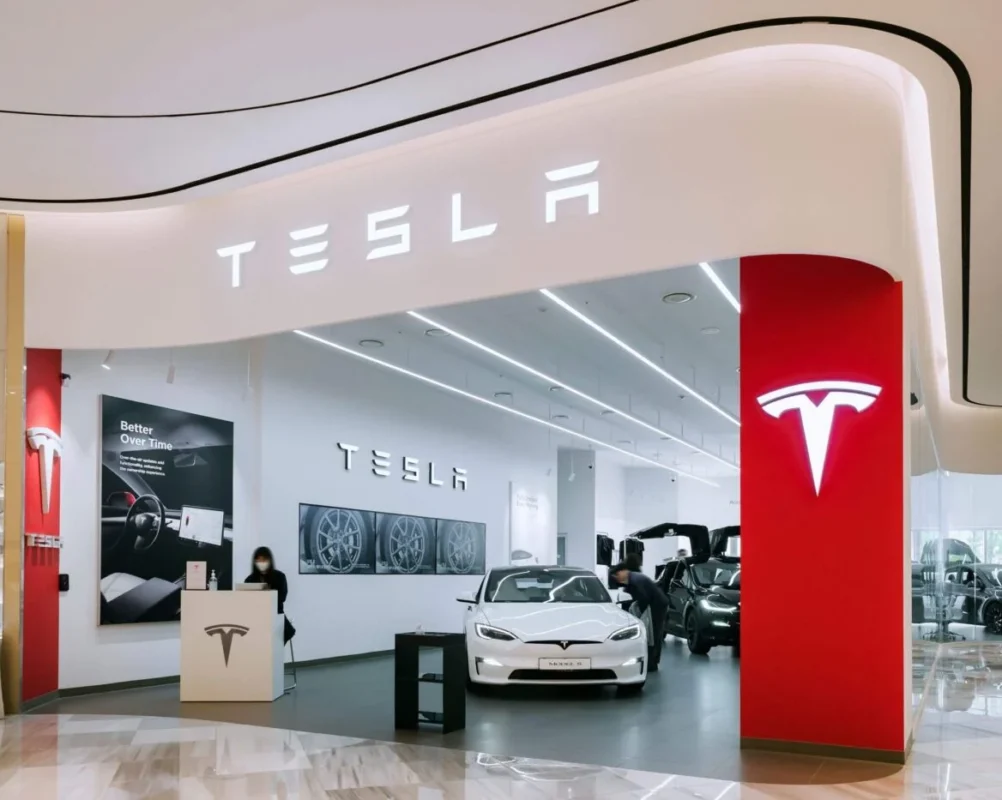
According to forecasts from Cox Automotive, electric vehicle sales in the United States during the first quarter will plummet 28% when compared to the corresponding period twelve months earlier. Tesla isn’t immune to this trend, with projections indicating the automaker will deliver 4.6% fewer vehicles than it did in last year’s opening quarter.
Jeremy Robb, who serves as Cox’s chief economist, explained that consumer purchasing patterns don’t pivot overnight. While an extended geopolitical conflict might eventually reshape buying decisions, that behavioral shift hasn’t materialized in the current data.
The pace of gasoline price increases has been remarkable. Data from AAA indicates the national average cost for regular unleaded gasoline has climbed by a full dollar since February. The country appears poised to cross the $4 per gallon threshold imminently—a milestone not seen since August 2022.

Several states including California, Hawaii, and Washington have already surpassed $5 per gallon at the pump. Concurrently, electricity costs for EV charging have experienced modest growth, rising from 39 cents to 42 cents per kilowatt hour.
Consumer interest in learning about electric vehicles has increased as fuel expenses mount. Automotive research platform Edmunds observed a similar phenomenon following Russia’s invasion of Ukraine in February 2022, when EV consideration among shoppers surged from 17.5% to 25.1% within thirty days.
The Gap Between Interest and Purchases
However, browsing behavior doesn’t necessarily translate into completed transactions. Credit costs are substantially higher today than they were in early 2022, and vehicle sticker prices have climbed across all categories.
Data from Kelley Blue Book reveals the average transaction price for a new vehicle reached $49,353 last month, representing an increase from $46,085 recorded in February 2022. Electric vehicles maintain an average cost differential of roughly $6,500 above their gasoline-powered counterparts.
The typical new Tesla commanded a selling price of $53,821 during the previous month. Meanwhile, dealer incentives on electric vehicles have contracted—research from J.D. Power and GlobalData indicates EV discounts decreased by approximately $940 compared to March of last year, while promotional offers on conventional vehicles expanded.
The elimination of federal tax credits last fall removed another financial incentive that previously encouraged EV purchases.
Ivan Drury, who directs insights at Edmunds, cautioned consumers against hasty trade-in decisions. “Making a trade during a fuel price spike can actually work against you financially, as trade-in values for less efficient vehicles decline while heightened demand for efficient alternatives inflates their prices,” he noted.
What Industry Analysis Reveals
Recurrent, a company specializing in EV market analytics, maintains the position that escalating gasoline costs will ultimately drive interest toward budget-friendly electric vehicle options. However, that “ultimately” hasn’t manifested in the first quarter figures.
Andrew Garberson from Recurrent stated that every market indicator he monitors reinforces the thesis that economical EVs become increasingly appealing as pump prices rise. Industry data from Electric Choice indicates the typical electric vehicle achieves approximately 33 miles of range per kilowatt hour consumed.
For the present moment, the convergence of elevated purchase prices, restrictive lending conditions, and the absence of tax incentives continues to discourage buyers from making the switch.
Cox Automotive’s comprehensive first quarter sales report will provide more definitive insights into actual consumer behavior during this period of volatile fuel prices.
Get 3 Free Stock Ebooks
Discover top-performing stocks in AI, Crypto, and Technology with expert analysis.
- Top 10 AI Stocks - Leading AI companies
- Top 10 Crypto Stocks - Blockchain leaders
- Top 10 Tech Stocks - Tech giants


