


Key Highlights
- Tesla’s Japanese retail footprint set to grow from 35 to over 60 locations.
- EV manufacturer targeting the top spot among imported car brands in Japan within 12 months.
- 2025 saw Tesla deliver approximately 10,000 units in Japan, while Q1 2026 reached nearly 5,000 vehicles.
- Six-seat Model Y L variant debuts in Japanese market to attract family-oriented buyers.
- Hybrid vehicle preference remains dominant among Japanese car buyers, creating EV adoption headwinds.
Tesla (TSLA) is trading down 5.42% at the time of writing.
The Japanese market has represented a long-term strategic priority for Tesla, operating largely beneath the radar until now. The automaker’s regional leadership made its intentions explicit this week. Speaking with media on Friday, Japan country manager Richi Hashimoto revealed the company’s goal to claim the number one position among imported automotive brands in the nation — potentially achieving this milestone within the next year.
The challenge is substantial. Germany’s premium automakers have dominated foreign vehicle sales in Japan for decades. Mercedes-Benz secured the leading position in 2025 with approximately 51,000 units delivered, while BMW, Volkswagen, and Audi filled out the remaining top spots. Tesla’s Japanese sales totaled just north of 10,000 vehicles during the same period. The distance to close is considerable.
Yet Tesla is accelerating its efforts. The automaker began accepting reservations Friday for its Model Y L configuration, featuring three rows with six individual seats aimed squarely at Japanese family buyers — a demographic the company has largely overlooked until now. The move demonstrates Tesla’s intention to expand beyond its traditional early-adopter consumer base.

Retail Infrastructure Expansion
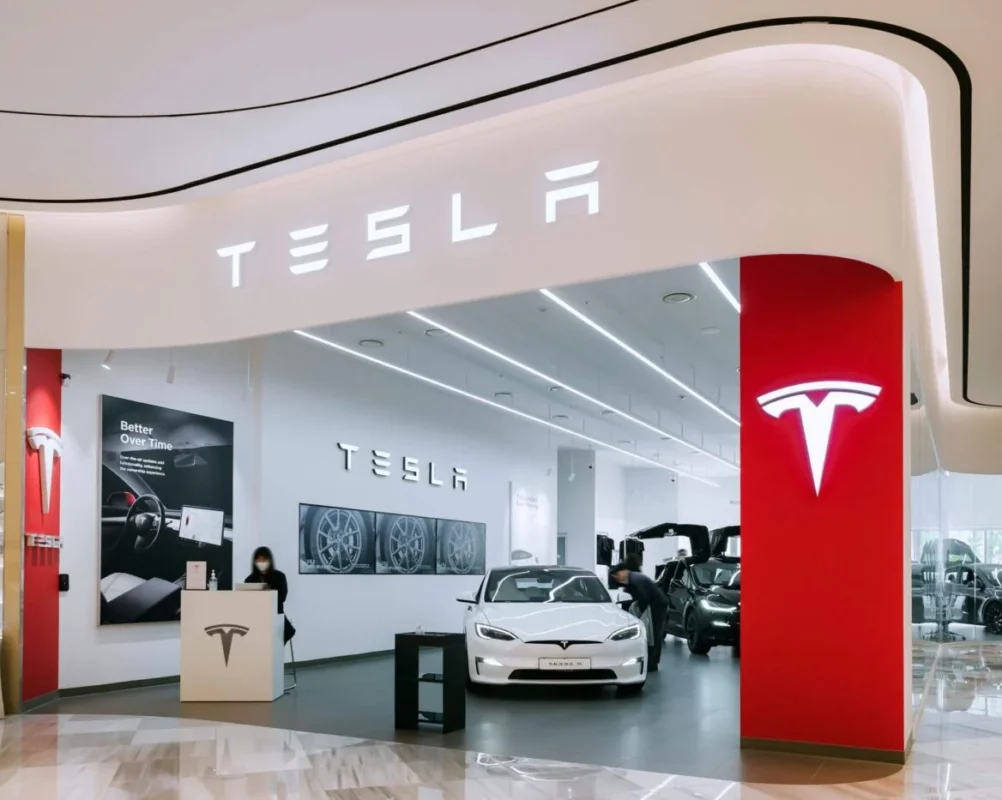
The company’s current Japanese infrastructure includes 35 retail locations alongside 14 service facilities. Expansion blueprints outline growth to no fewer than 60 stores with approximately 30 service centres. This represents more than a 100% increase in service capacity.
The retail expansion strategy extends beyond simple geographic coverage. Tesla’s showroom philosophy centres on the test-drive experience. According to Hashimoto, customer hesitations about transitioning from internal combustion engines often evaporate during actual vehicle operation. “Simply increasing stores to sell cars doesn’t make customers buy,” he explained.
Employee development has received significant attention as well. Nearly 70% of Tesla Japan’s sales personnel have held their positions for less than half a year. Management has prioritized reducing the timeframe between hiring and first completed transaction.
This Japanese market push arrives as Tesla confronts headwinds internationally. Worldwide vehicle deliveries contracted 8% throughout 2025, while first-quarter 2026 figures similarly disappointed market expectations. Japan, where electric vehicle market share remains minimal, offers expansion potential as established markets decelerate.
Electric Vehicle Adoption Barriers
The fundamental challenge is straightforward: Japanese buyers overwhelmingly prefer hybrid powertrains. Research from automotive data provider JATO indicates battery-electric vehicles continue struggling to match hybrid model popularity within the country.
Japan’s total new vehicle registrations reached 4.56 million units during 2025, representing roughly 3% year-over-year growth. S&P Global forecasts continued moderate expansion in 2026, bolstered by public sector spending and environmental tax advantages. However, the transition toward pure electric vehicles has proceeded slowly, irrespective of manufacturer. Toyota, Nissan, Suzuki, and Chinese automaker BYD have each introduced electric models in Japan with underwhelming outcomes.
Certain market observers suggest petroleum prices, influenced partially by Middle Eastern geopolitical instability, could accelerate EV adoption timelines. Hashimoto noted that first-quarter 2026 Japanese sales reached approximately half the entire 2025 annual total — a metric indicating possible growing momentum in the immediate term.
On Wall Street, TSLA carries a consensus Hold rating, based on 13 Buys, 11 Holds, and 7 Sells from 31 analysts over the past three months.
Get 3 Free Stock Ebooks
Discover top-performing stocks in AI, Crypto, and Technology with expert analysis.
- Top 10 AI Stocks - Leading AI companies
- Top 10 Crypto Stocks - Blockchain leaders
- Top 10 Tech Stocks - Tech giants


