


TLDR
- Tesla shareholders approved Musk’s historic $1 trillion pay package Thursday with 75% of votes cast in favor at the Austin annual meeting.
- The compensation consists of 12 stock tranches requiring market cap milestones from $2 trillion to $8.5 trillion and operational benchmarks.
- Musk would add 423 million shares over a decade, increasing his stake from 13% to 25% if Tesla meets all targets.
- Payouts begin when Tesla hits $2 trillion valuation and continue through $8.5 trillion with operational goals like 1 million robotaxis deployed.
- If fully earned, the package equals $275 million in stock per day, representing the largest executive compensation ever structured.
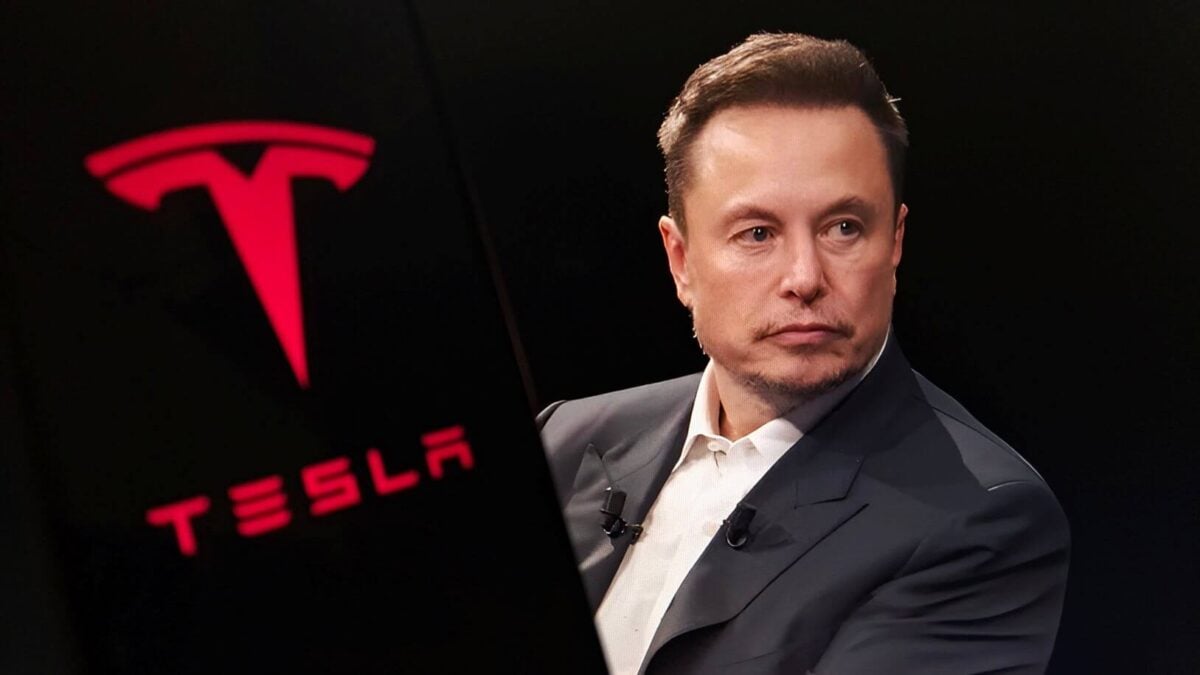
Tesla investors gave overwhelming approval to Elon Musk’s compensation plan on Thursday. The vote passed with 75% support during the company’s annual shareholder meeting in Austin.
The pay package could reach $1 trillion in total value. Musk’s existing 15% ownership wasn’t counted in the vote.
Attendees broke into applause when officials announced the results. Musk expressed gratitude to shareholders and the Tesla board.
The board rolled out this compensation structure in September. They pushed for approval even as Glass Lewis and ISS recommended rejection.
This deal replaces traditional salary with performance-linked stock grants. Musk collects nothing unless Tesla achieves demanding milestones.

The plan splits into 12 identical tranches of stock. Each segment unlocks only after hitting specific company targets.
Tesla’s current market value stands at $1.54 trillion. Musk earns his first tranche when that figure crosses $2 trillion.
Path To Historic Valuation
The next nine tranches require $500 billion increases in market cap. Tesla must climb to $6.5 trillion to unlock these awards.
Two final tranches demand $1 trillion jumps apiece. The complete package requires an $8.5 trillion valuation.
Stock prices must jump 466% from today’s levels to reach that target. That valuation would exceed Nvidia’s recent $5 trillion peak by 70%.
Musk stands to gain over 423 million shares across the decade. His ownership percentage would climb from 13% to 25%.
Spread across 10 years, that equals $275 million in stock value daily. No other executive compensation approaches this scale.
Financial milestones begin at $50 billion in annual adjusted profit. The highest target reaches $400 billion per year.
Last quarter, Tesla posted $4.2 billion in adjusted EBITDA. Reaching these profit levels requires massive expansion.
Operational Benchmarks And Product Goals
Beyond financial metrics, the plan includes concrete operational targets. Tesla must deliver 20 million vehicles throughout the next decade.
To date, the company has shipped over 8 million vehicles. Hitting 20 million demands sustained production growth.
The plan requires 10 million active Full Self-Driving subscribers. Current FSD Supervised technology still needs human oversight.
Tesla hasn’t clarified if trial subscriptions count toward this goal. The company aims to develop truly autonomous driving capabilities.
Musk must also deliver 1 million Optimus humanoid robots. Another target calls for 1 million robotaxis operating commercially.
At the meeting, Musk talked extensively about the robot business. He labeled it potentially “the biggest product of all time by far.”
He projected robots could eliminate global poverty. Production costs might hit $20,000 per unit with consumer pricing similar to vehicles.
Shareholders also voted on a proposal about xAI investments. Brandon Ehrhart, Tesla’s general counsel, said it received more support than opposition but many abstentions.
Control And Company Direction
Musk had previously hinted at potentially leaving without this compensation. The board referenced his concerns about maintaining sufficient voting control.
The package boosts Musk’s voting power over company decisions. His influence expands while remaining subject to shareholder oversight.
Tesla has faced headwinds this year with falling sales and profits. Government cutbacks on EV incentives threaten revenue streams.
Most products tied to payout milestones remain under development. Musk might never collect full compensation if Tesla misses targets.
The stock needs to reach unprecedented valuations for full payout. Tesla must also execute on ambitious product roadmaps.
Musk told investors last month this isn’t about personal wealth. He framed it as securing appropriate influence over company strategy.
Get 3 Free Stock Ebooks
Discover top-performing stocks in AI, Crypto, and Technology with expert analysis.
- Top 10 AI Stocks - Leading AI companies
- Top 10 Crypto Stocks - Blockchain leaders
- Top 10 Tech Stocks - Tech giants


