


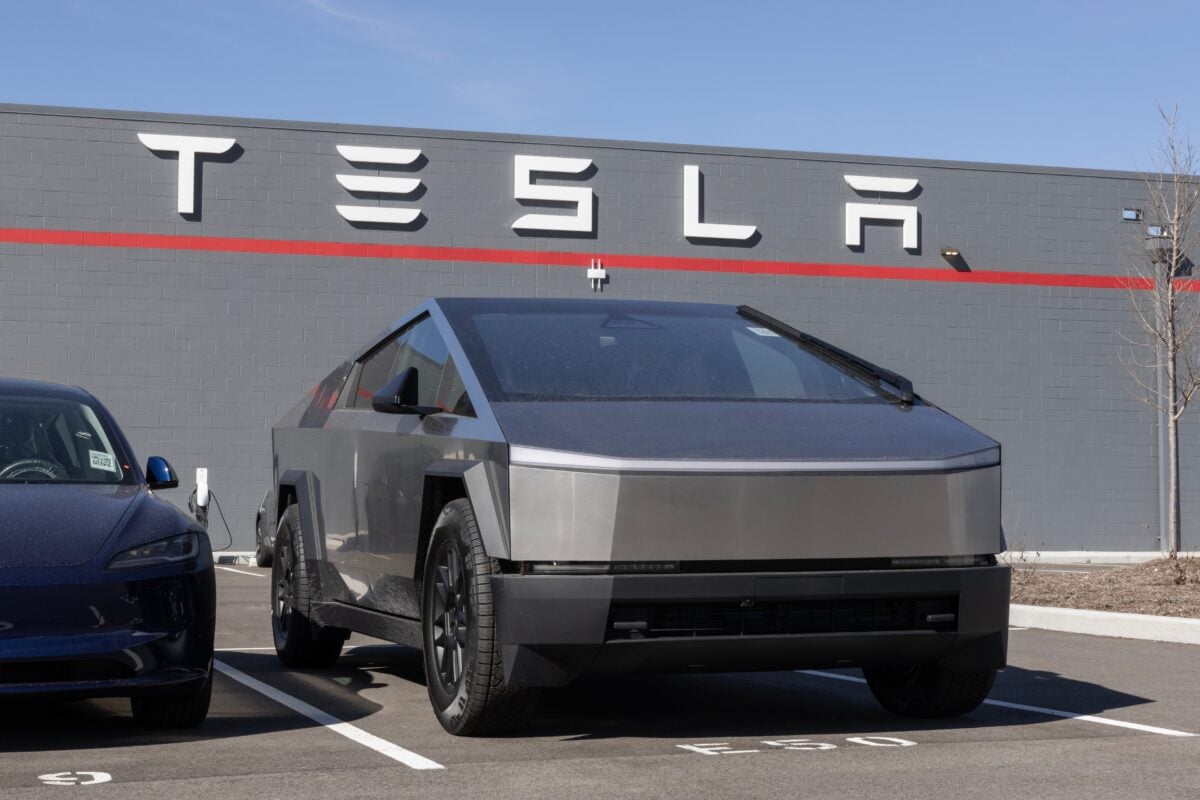
TLDR:
- Arizona approves Tesla’s robotaxi, marking a key milestone.
- Tesla expands robotaxi service, now operating in 3 U.S. cities.
- Tesla moves closer to fully autonomous robotaxi rides nationwide.
- Arizona’s approval sets Tesla on a path to a global robotaxi network.
- Tesla aims for driverless taxis, despite regulatory hurdles.
Tesla (TSLA) stock is on the rise following Arizona’s approval of the company’s robotaxi service. As of 1:23 PM EST, TSLA shares increased by 0.17%, reaching $401.92.
Tesla, Inc., TSLA
This approval marks a significant milestone for the company as it expands its autonomous vehicle services.
Tesla recently secured a Transportation Network Company permit, allowing it to operate a paid ride-hailing service in Arizona. While Tesla can now charge passengers, a human safety driver is still required on each ride. The approval builds on previous permits granted in other U.S. markets and signals a clear path forward for the company’s ambitious robotaxi plans.
This approval in Arizona follows a fast-paced regulatory process. Tesla applied for the permit on November 13, and received it by November 17. The move highlights the company’s swift action as it continues to expand its autonomous fleet and work towards a future of fully driverless taxis.
Expansion of Robotaxi Service Across U.S. Markets
Tesla’s robotaxi service now operates in three major U.S. cities: Austin, Texas, and the San Francisco Bay Area, alongside Arizona. The company plans to continue growing its presence, with future expansions set for Nevada, Arizona, and Florida. This broadening network positions Tesla to become a key player in the emerging autonomous ride-hailing market.
Tesla’s CEO, Elon Musk, has frequently emphasized his vision for a global robotaxi network. By the end of the year, he has set a goal to deploy fully autonomous vehicles in multiple states. Arizona’s approval is an important step towards realizing this vision and scaling Tesla’s autonomous operations.

This expansion strengthens Tesla’s position in the autonomous vehicle industry, competing with companies like Waymo, which already operates in Phoenix. As Tesla moves closer to deploying driverless vehicles, the company aims to refine its technology while navigating the regulatory landscape.
Challenges and Future Outlook for Tesla’s Robotaxi Program
Tesla’s robotaxi service still faces significant regulatory hurdles. Each ride continues to require a human driver, limiting the service’s full potential. While the Arizona approval is a key victory, Tesla must secure additional permissions for fully autonomous rides in other markets.
Tesla’s robotaxi program is at the forefront of the company’s innovation strategy, particularly as traditional vehicle sales growth slows. Autonomous driving and robotics are central to Tesla’s long-term vision, and the company is betting on these technologies to drive future growth.
As Tesla scales its robotaxi service, it must continue navigating challenges related to regulatory approval and technology development. However, with each new market, Tesla brings itself closer to its ultimate goal of deploying fully driverless vehicles nationwide.
Get 3 Free Stock Ebooks
Discover top-performing stocks in AI, Crypto, and Technology with expert analysis.
- Top 10 AI Stocks - Leading AI companies
- Top 10 Crypto Stocks - Blockchain leaders
- Top 10 Tech Stocks - Tech giants


