


TLDR
- Tesla jumps 3.5% as Cybertruck begins exporting power to Texas grid
- Cybertruck becomes a mobile energy asset in Tesla’s Texas pilot
- Tesla launches V2G program, boosting energy strategy and shares
- Texas grid support turns Cybertruck into revenue-generating tool
- Tesla expands clean energy push with Cybertruck grid program
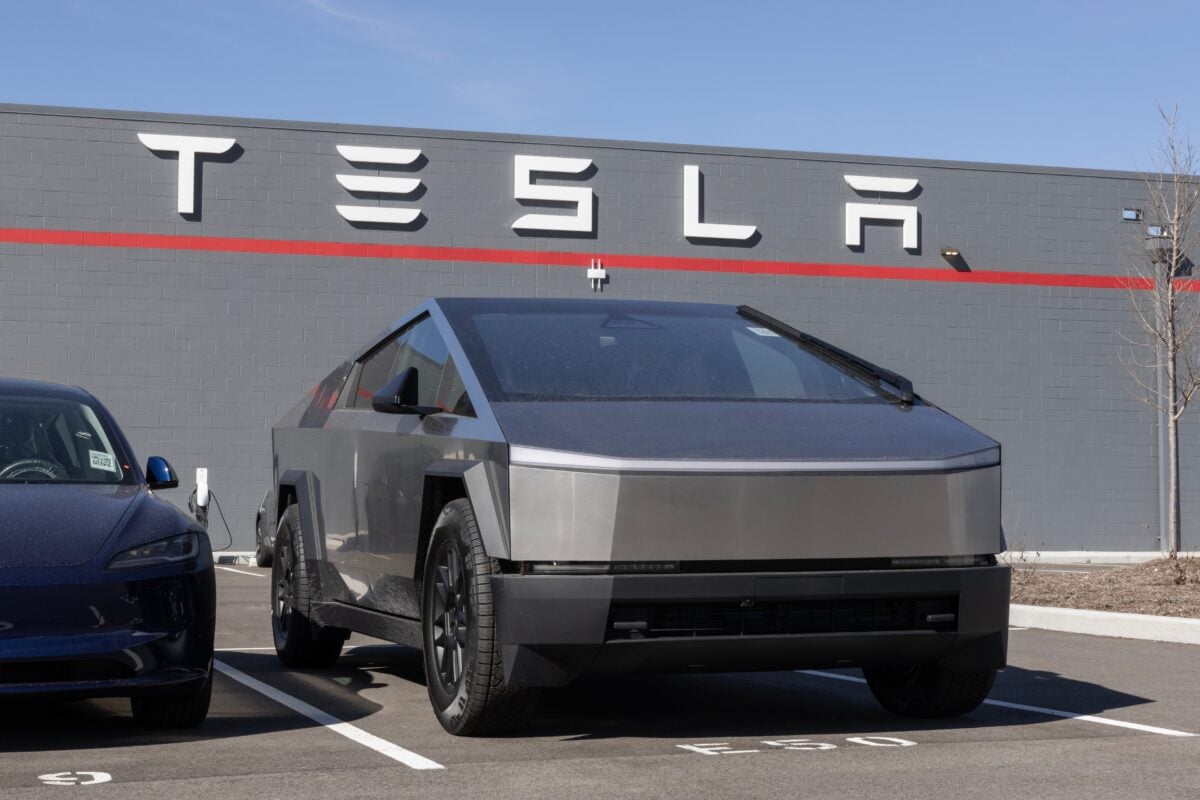
Tesla closed at $411.11, rising 3.50%, as a new energy program boosted market confidence and expanded product appeal. The company introduced a system that allows Cybertruck owners in Texas to send power back to the grid during demand spikes. The update strengthened Tesla’s position in the fast-growing clean energy sector and added fresh momentum to its broader strategy.
Texas Launches Powershare Grid Support Program
Tesla activated its Powershare Grid Support program in select Texas regions and linked it to rising energy needs. Cybertruck owners with compatible hardware can now export electricity during high-demand events and receive bill credits. The rollout began through an invitation phase, and the company expects participation to expand after initial testing.
The program works with CenterPoint Energy and Oncor, and it operates through the Tesla app for enrolled users. Cybertruck systems automatically discharge stored energy when grid operators signal a stress event. Tesla confirmed that the feature aims to support local grids while giving owners measurable financial benefits.
The initiative marks a shift toward wider bidirectional charging capability, and it places the Cybertruck at the center of home-energy support. Tesla tied the system to its existing electric plan, which manages energy flows during peak hours to balance demand. The company stated that the early program will not affect vehicle warranties, and further expansion remains scheduled.
California Support Approaches as Tesla Expands Access
Tesla plans to extend Powershare Grid Support to California soon as regulatory alignment continues across major utilities. The feature will work with PG&E, Southern California Edison, and SDG&E once integration systems complete. Owners will enroll through utility programs in the Tesla app after installation of compatible home equipment.

The company highlighted that California’s energy challenges create strong demand for distributed backup systems. The Cybertruck’s stored capacity will reinforce local grids during peak usage periods and bring new compensation options for participating owners. Tesla views the expansion as a natural step as the energy market adopts more flexible supply models.
The update follows earlier moves to broaden bidirectional charging across the fleet in global markets. Tesla recently enabled vehicle-to-load support on the three-row Model Y L in China. These actions signal ongoing progress as Tesla strengthens its technology foundation for future energy applications.
Broader Context as Cybertruck Becomes an Energy Asset
The V2G feature turns the Cybertruck into a mobile resource that helps stabilize stressed grids during extreme events. Power shortages have increased across several regions, and Tesla aims to reduce pressure through flexible distributed output. This shift creates new functionality and adds value beyond traditional vehicle use.
The new program emerges after years of speculation about Tesla’s plans for consumer-level energy export tools. The company delayed its Cybertruck-Powerwall integration until mid-2026, yet it continued developing standalone vehicle systems. Tesla now prepares for broader applications as demand grows for integrated energy support.
The Cybertruck gains a new operational role while strengthening Tesla’s clean-energy strategy. The initiative aligns with long-term goals to combine transportation and home-power systems in one ecosystem. Tesla expects the Texas launch to set the foundation for future regional programs.
Get 3 Free Stock Ebooks
Discover top-performing stocks in AI, Crypto, and Technology with expert analysis.
- Top 10 AI Stocks - Leading AI companies
- Top 10 Crypto Stocks - Blockchain leaders
- Top 10 Tech Stocks - Tech giants


