



Key Takeaways
- Bitcoin has evolved into a recognized macro asset with approved ETFs and growing interest from sovereign wealth funds worldwide
- Ethereum remains the backbone of DeFi, stablecoin markets, and tokenized real-world assets, featuring deflationary tokenomics during peak usage
- Solana has emerged as the top Layer 1 blockchain by active user count and daily transactions following its post-FTX recovery
- Chainlink maintains its position as the leading oracle provider, delivering essential real-world data connections for smart contract platforms
- Avalanche’s customizable subnet technology continues attracting major institutional clients like Amazon Web Services and Deloitte
The cryptocurrency landscape entering 2025 bears little resemblance to previous cycles. Major financial institutions have committed capital, regulatory frameworks are taking shape, and blockchain applications once considered theoretical are now processing real-world transactions at scale.
Billions flow into Bitcoin exchange-traded funds monthly. Traditional financial assets are migrating onto blockchain networks. Decentralized financial protocols facilitate trillions in trading activity. For long-term investors, the critical question becomes: which digital assets will capture the greatest value over the coming three to five years?
This analysis examines five cryptocurrencies divided into two categories: three established large-cap tokens with institutional credibility, and two mid-tier projects offering elevated growth trajectories.
Bitcoin
Bitcoin has transcended its origins as merely another cryptocurrency. Financial institutions increasingly classify it alongside traditional macro assets like precious metals.
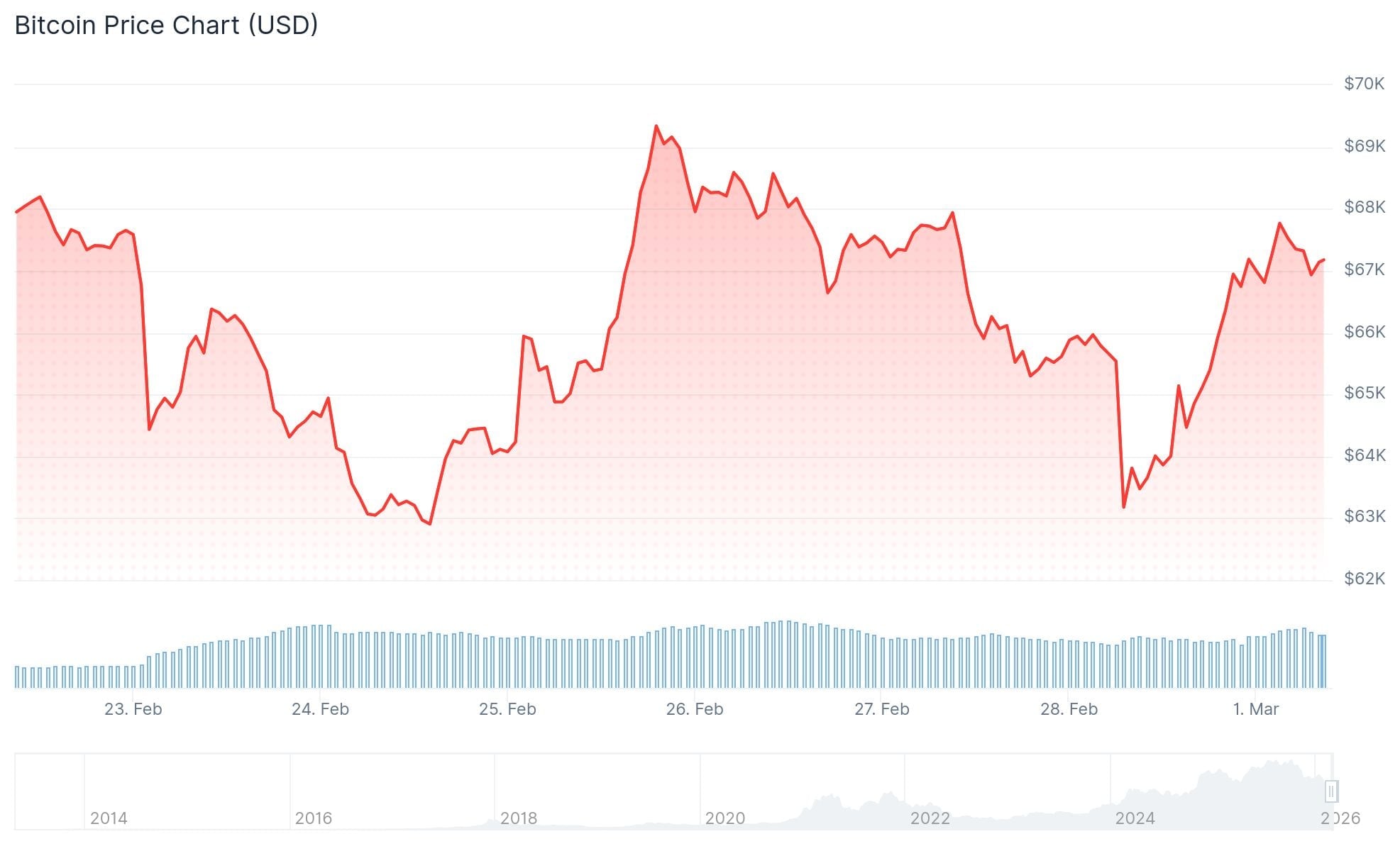
The approval of spot Bitcoin ETFs in the United States integrated the asset into conventional investment vehicles. With a hard cap of 21 million coins, no governing body possesses the authority to inflate the supply.

The 2024 halving event further constrained new Bitcoin issuance. Multiple sovereign wealth funds have initiated exploratory positions, establishing another foundation of institutional demand.
Ethereum
Ethereum functions as the foundational infrastructure for much of the cryptocurrency ecosystem. The network facilitates decentralized finance protocols, stablecoin transactions, NFT marketplaces, and the tokenization of traditional assets.
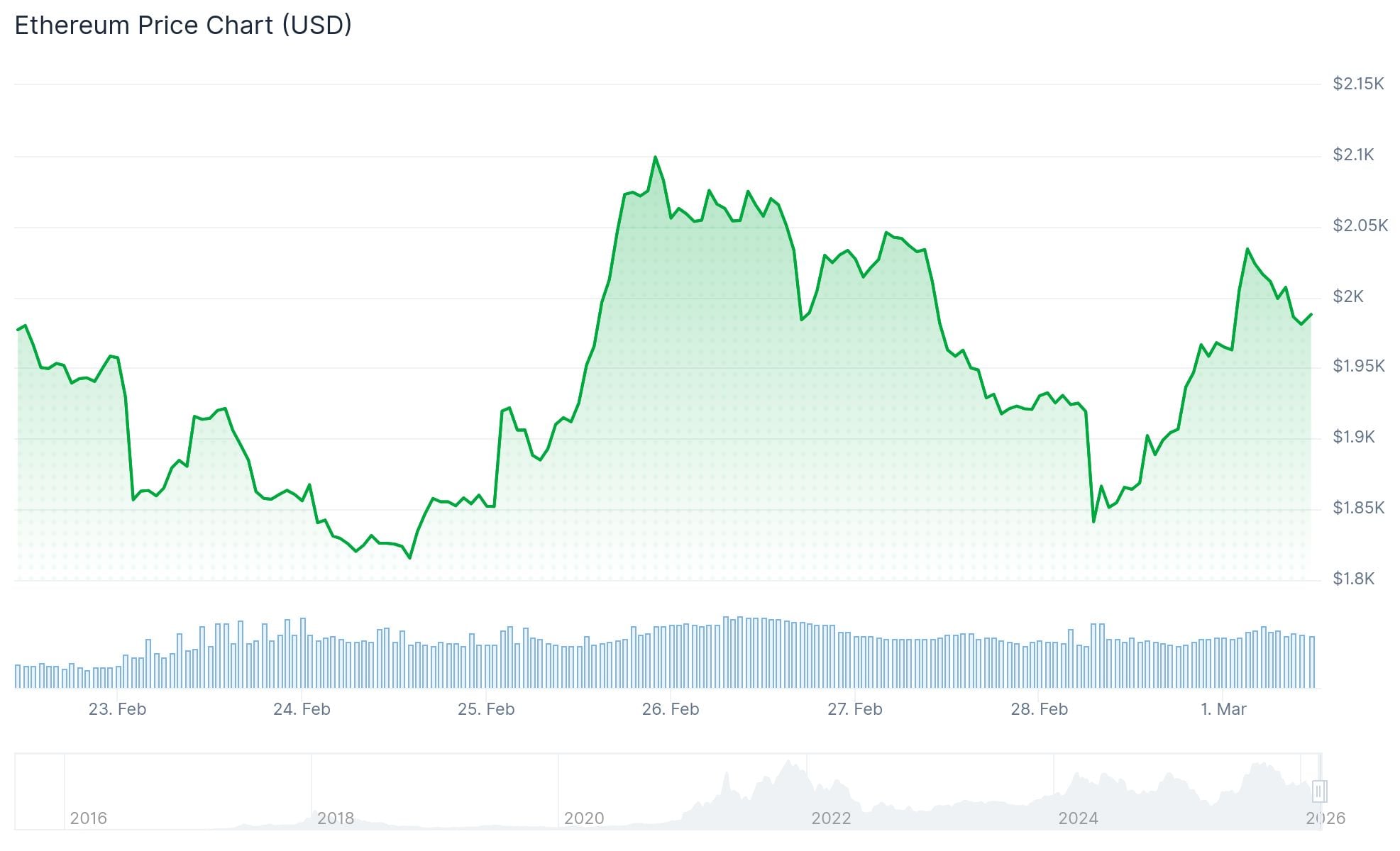
Following its transition to Proof-of-Stake consensus, Ethereum exhibits deflationary characteristics when network utilization peaks. Scaling solutions including Base, Arbitrum, and Optimism operate atop Ethereum’s base layer and demonstrate accelerating user growth.
Solana
Solana faced an existential crisis following the FTX implosion in 2022 due to deep interconnections with the failed exchange. The network has since mounted a remarkable comeback, now commanding the highest daily active user count and transaction throughput among all Layer 1 blockchains.
The platform supports consumer payment applications, decentralized physical infrastructure projects, and substantial token trading volume. Developer activity on Solana maintains strong momentum.
Mid-Cap Opportunities
Chainlink
Chainlink operates as the preeminent oracle solution within the cryptocurrency sector. The network bridges smart contracts with external data sources, delivering price information, interest rate data, and additional real-world inputs.
Integration spans virtually every significant DeFi protocol. As traditional asset tokenization expands, demand for dependable data infrastructure solutions like Chainlink correspondingly increases.
Avalanche
Avalanche enables institutions to launch purpose-built blockchains via its subnet framework. These specialized networks maintain compatibility and interoperability with the primary Avalanche ecosystem.
Both Amazon Web Services and Deloitte maintain active partnerships with Avalanche. The token currently trades significantly below its historical peak while the project advances its institutional adoption strategy.
Avalanche’s development priorities emphasize enterprise applications requiring regulatory compliance and high-performance capabilities isolated from public blockchain networks.
Get 3 Free Stock Ebooks
Discover top-performing stocks in AI, Crypto, and Technology with expert analysis.
- Top 10 AI Stocks - Leading AI companies
- Top 10 Crypto Stocks - Blockchain leaders
- Top 10 Tech Stocks - Tech giants


