



Key Highlights
- Bitcoin maintains a price range of $67,000–$68,000 with strong institutional and sovereign fund support through ETF products
- Ethereum dominates the DeFi sector and tokenized asset markets while Layer-2 networks dramatically reduce transaction costs
- Solana attracts developers with lightning-fast processing speeds and minimal transaction expenses
- Chainlink serves as the bridge between blockchain networks and external data sources, expanding partnerships with legacy finance
- Bittensor operates a decentralized AI network that rewards participants with cryptocurrency for providing computational resources
The cryptocurrency market valuation hovers around $2.5 trillion as we enter April 2026. Savvy investors are shifting their focus away from volatile price movements toward blockchain projects demonstrating genuine utility and sustainable business models.
Below are five digital currencies that market experts believe possess strong foundational elements positioned for the upcoming bull cycle.
Bitcoin: Institutional Favorite as a Store of Value
Bitcoin maintains an immutable maximum supply ceiling of 21 million tokens. This programmatic scarcity establishes a unique value proposition unmatched by any traditional or digital asset.
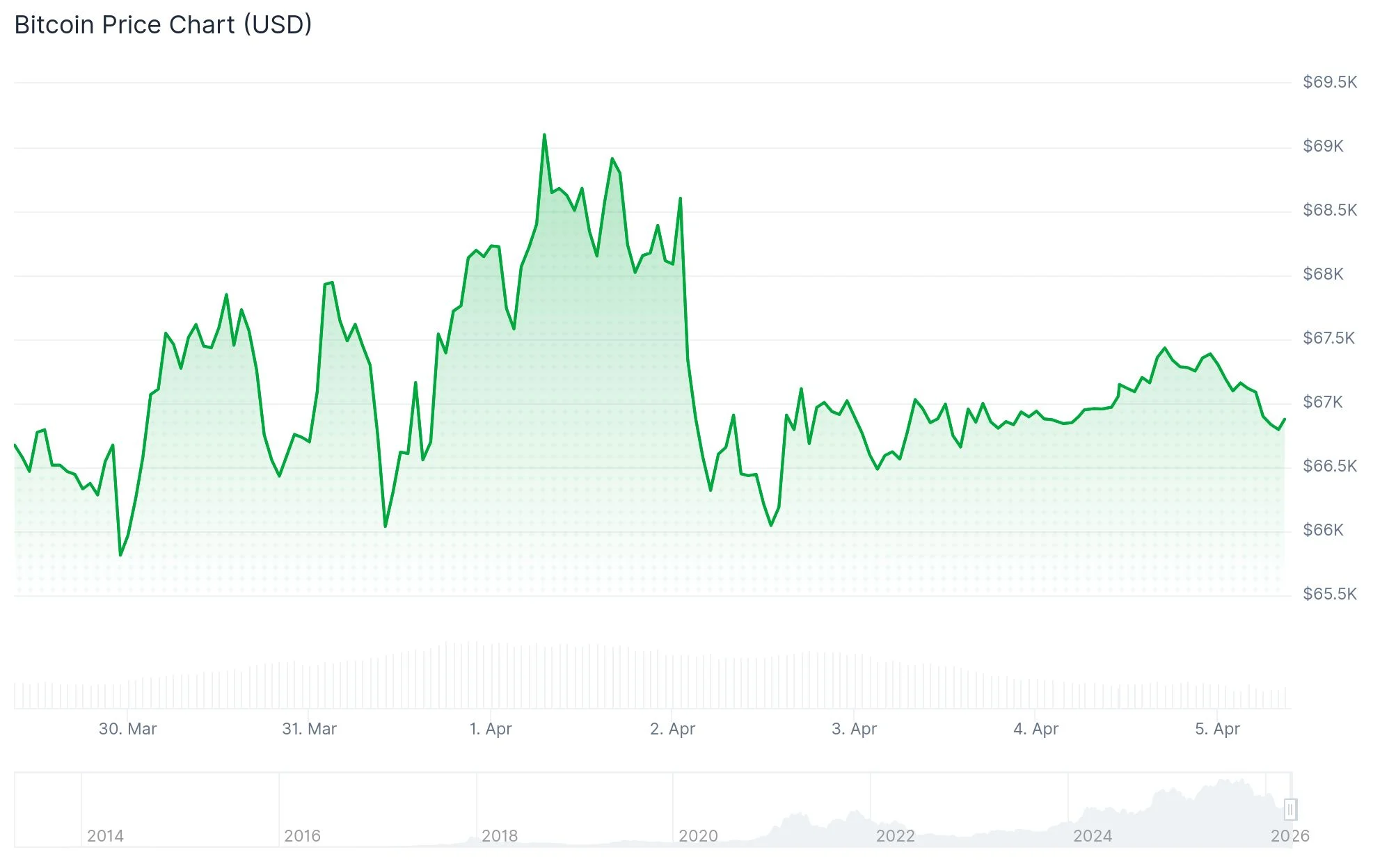
The cryptocurrency currently fluctuates between $67,000 and $68,000. Exchange-traded funds dedicated to Bitcoin have recorded substantial capital inflows throughout the previous twelve months.
National investment vehicles have incorporated Bitcoin into their asset allocations. Treasury management approaches modeled after MicroStrategy’s strategy have gained widespread acceptance among corporations.

Today’s institutional landscape views Bitcoin as a macroeconomic instrument comparable to precious metals. The digital asset continues drawing sustained capital from investors seeking protection against fiscal instability and currency devaluation.
Ethereum: Dominant Force in Programmable Blockchain
Ethereum serves as the foundation for the vast majority of decentralized finance applications. The platform also supports stablecoin infrastructure, digital collectibles, and an expanding tokenized real-asset marketplace.
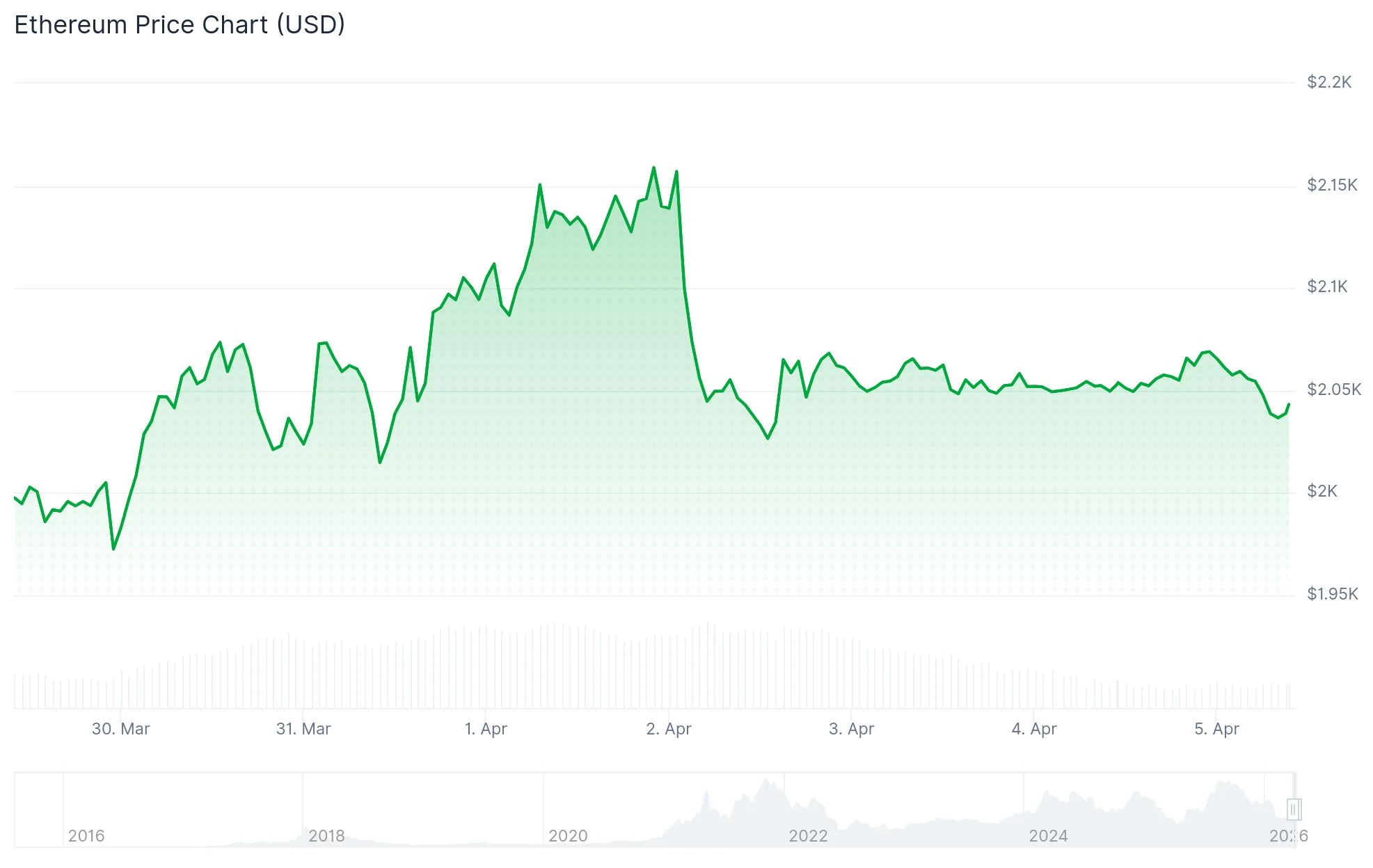
Second-layer scaling technologies have slashed fees while multiplying transaction capacity. The network’s proof-of-stake rewards combined with the token reduction mechanism introduced by EIP-1559 create a deflationary supply dynamic.
Ethereum-based investment vehicles continue attracting institutional capital. The platform maintains the most active developer community among all programmable blockchain ecosystems.
Solana: Performance Leader with Mass Adoption Potential
Solana processes several thousand operations every second while maintaining negligible fees. The network attracted users and builders frustrated by Ethereum’s cost barriers during periods of network congestion.
Consumer-facing applications, viral token launches, and smartphone-based wallet solutions have fueled network expansion. Technical stability has strengthened following recent protocol improvements.
Solana’s total market capitalization remains significantly lower than Ethereum’s current valuation. Market analysts view this differential as potential upside opportunity should institutional investment products proliferate.
Chainlink: Essential Infrastructure for Hybrid Smart Contracts
Chainlink operates as the predominant oracle solution in blockchain technology. The protocol enables smart contracts to access external information including market prices and application programming interfaces.
Its Cross-Chain Interoperability Protocol currently operates across numerous blockchain ecosystems. Chainlink has established collaborative agreements with established financial entities investigating distributed ledger technology.
As the tokenization of physical assets accelerates, the necessity for dependable external data connections is projected to increase proportionally.
Bittensor: Emerging Decentralized Artificial Intelligence Network
Bittensor facilitates a permissionless exchange for artificial intelligence processing power and algorithmic models. Network participants receive native tokens as compensation for contributing computational resources and machine learning capabilities.
This project carries elevated risk compared to the four previously mentioned assets. Nevertheless, both developer engagement and market attention have expanded considerably over the past year.
Bittensor operates within the decentralized artificial intelligence sector, an area attracting increased scrutiny as policymakers examine concentrated control within traditional AI corporations.
Bitcoin and Ethereum represent the overwhelming majority of institutional cryptocurrency exposure through investment products accessible in 2026.
Get 3 Free Stock Ebooks
Discover top-performing stocks in AI, Crypto, and Technology with expert analysis.
- Top 10 AI Stocks - Leading AI companies
- Top 10 Crypto Stocks - Blockchain leaders
- Top 10 Tech Stocks - Tech giants


