


TLDR
- President Trump rejects Iran’s ceasefire proposal, stating the offered terms fall short of U.S. requirements
- American forces targeted Kharg Island, Iran’s primary oil shipping facility; Trump claims extensive damage
- Crude prices hover around $100 per barrel with the Strait of Hormuz remaining blocked to traffic
- President appeals to China, France, Japan, South Korea, and Britain for naval support to force strait reopening
- Qatar suspends LNG exports while Saudi defenses intercept drone attacks approaching Riyadh
President Trump announced Saturday that he’s unwilling to conclude hostilities with Iran despite Tehran’s indication of seeking a ceasefire agreement. During an NBC News interview, Trump stated “the terms aren’t good enough yet” while refusing to detail specific requirements. He acknowledged that complete dismantlement of Iran’s nuclear capabilities would constitute a necessary component of any potential agreement.
The regional confrontation has entered its third week following joint U.S.-Israeli military operations against Iran launched earlier this month. Casualties across the region have reached approximately 3,750 individuals. American military losses stand at thirteen service members, including six personnel who perished when their refueling aircraft went down in Iraq on Friday.
According to Trump, American military forces targeted Kharg Island on Saturday, striking Iran’s principal oil export facility. The president characterized the island as “totally demolished,” though he clarified that petroleum infrastructure was deliberately preserved to prevent creating long-term reconstruction challenges. Trump suggested additional strikes may follow, stating the U.S. may “hit it a few more times.”
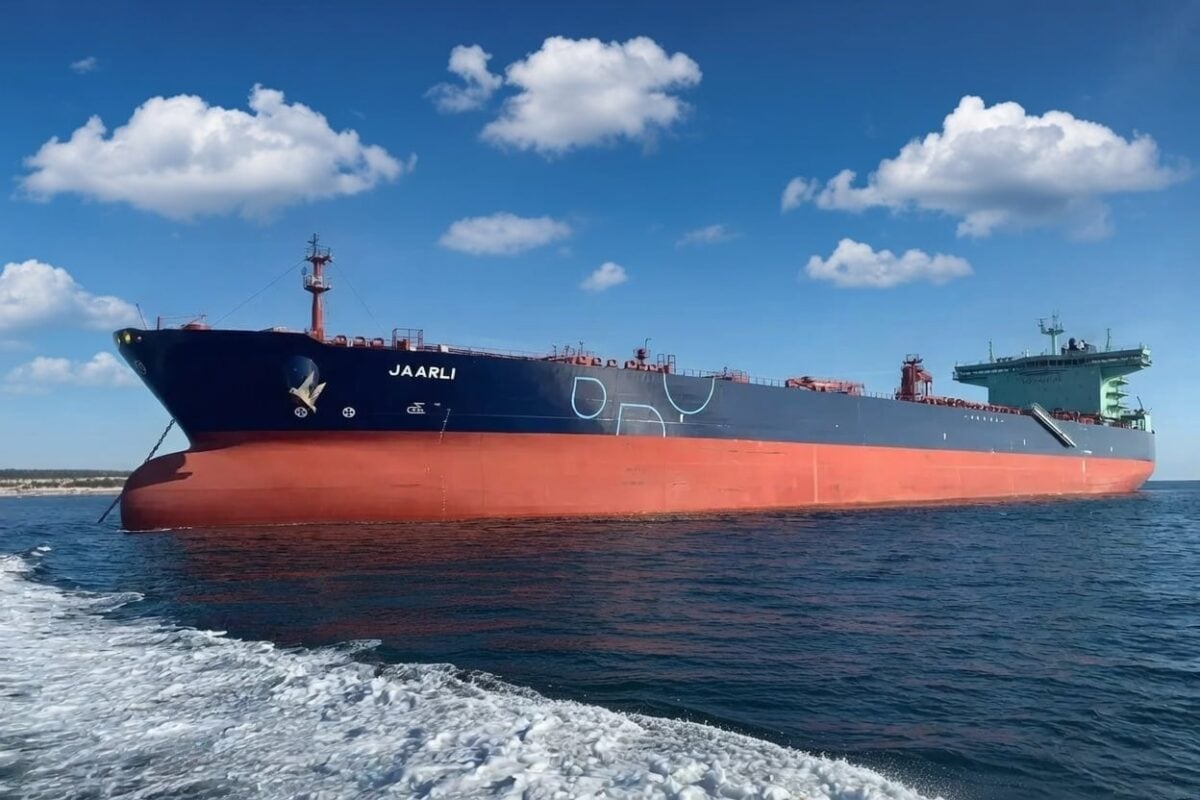
The Strait of Hormuz continues to be essentially impassable to commercial traffic. Iranian forces have positioned mines and deployed drones against merchant vessels, with documentation showing at least 16 ships targeted to date. Leading oil-producing nations including Saudi Arabia, Iraq, and Kuwait have reduced production levels in response. International oil prices are positioned near the $100 per barrel mark.
Trump indicated he’s coordinating with international partners to forcibly reopen the waterway if diplomatic solutions prove ineffective. Through a Truth Social message, he urged China, France, Japan, South Korea, and the UK to deploy naval vessels to the region. While stating multiple nations have pledged participation, Trump declined to identify which countries have committed.
Gulf Energy Infrastructure Under Pressure
The United Arab Emirates disclosed intercepting 1,600 drones and 300 missile attacks since hostilities commenced. Explosions were audible throughout Dubai. Iranian officials accused the UAE of permitting American military operations to launch from Emirati territory.
Fujairah port, a crucial alternative shipping route enabling oil tankers to circumvent the strait, restarted operations Sunday following a drone-initiated fire that caused temporary suspension. Qatar has ceased LNG operations entirely. Saudi Arabian air defenses successfully intercepted drone attacks approaching Riyadh on Sunday.

Iran’s newly designated supreme leader, Mojtaba Khamenei, released his inaugural statement in written format without making a video appearance. Trump openly questioned whether Khamenei remains alive. Defense Secretary Pete Hegseth assessed that Khamenei was “wounded and likely disfigured.” Khamenei’s written statement pledged continued blockade of the Strait of Hormuz.
Defense Stocks and Energy Markets in Focus
Defense industry companies including Lockheed Martin and RTX have experienced share price fluctuations since the conflict’s outbreak. Crude prices maintaining levels near $100 per barrel continue exerting influence on global energy markets.
Trump additionally addressed Ukraine during the interview, characterizing Zelenskyy as “far more difficult to make a deal with” compared to Putin. Washington has relaxed sanctions on Russian petroleum exports in an effort to counterbalance escalating worldwide fuel costs triggered by the Iran crisis.
Trump asserted that American forces have “knocked out most of their missiles” and “most of their drones” while forecasting Iran’s production capabilities for both weapons systems would be “totally decimated” within forty-eight hours. Fujairah port recommenced loading operations on Sunday after firefighters controlled the drone-related blaze.
Get 3 Free Stock Ebooks
Discover top-performing stocks in AI, Crypto, and Technology with expert analysis.
- Top 10 AI Stocks - Leading AI companies
- Top 10 Crypto Stocks - Blockchain leaders
- Top 10 Tech Stocks - Tech giants


