


TLDR
- Trump has been advised to issue the proposed $2,000 stimulus payments in stablecoins rather than traditional cash.
- A leading crypto firm believes that using stablecoins could trigger a bull run in the digital asset market.
- The $2,000 payments would be funded by tariffs on foreign imports, according to Trump’s announcement.
- Stablecoins are gaining popularity due to their stability and ability to transfer money across borders quickly.
- The Bank of England recently proposed new guidelines allowing stablecoin issuers to invest up to 60% of their reserves in government debt.
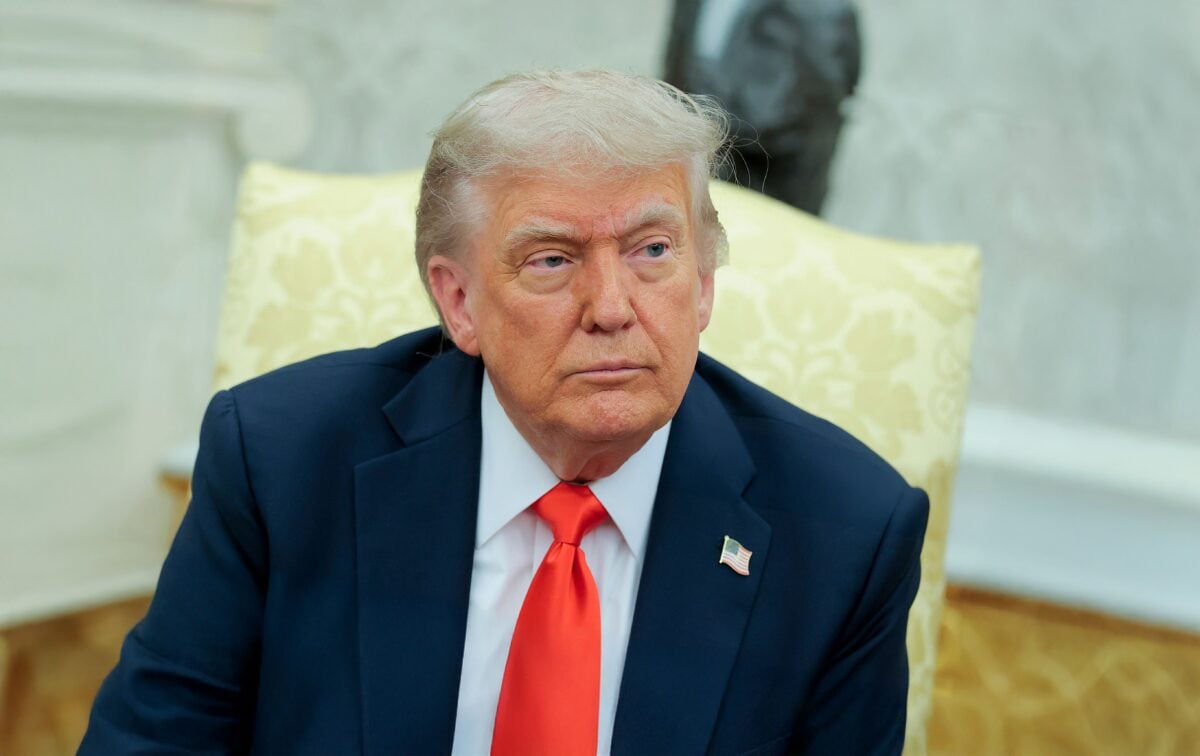
Trump has been advised to distribute the proposed $2,000 stimulus payments in stablecoins rather than traditional cash. A leading crypto firm believes that this move could spark a major rally in digital assets. The advice comes after Trump’s announcement to send $2,000 per adult, funded by tariffs on foreign imports.
Trump’s Plan to Send $2,000 Payments to Americans
Trump revealed that his administration plans to send $2,000 per adult as a “dividend” to American taxpayers. He stated that the funds would come from tariffs and increased investments in U.S. manufacturing. The payments are aimed at supporting American citizens, excluding high-income earners.
The president noted that the stimulus would help stabilize the economy, which was impacted by the pandemic. It follows previous rounds of payments made under the Trump administration during the health crisis. These checks amounted to more than $814 billion in relief.
Crypto firm BowTiedBull suggested that Trump should distribute the $2,000 stimulus via stablecoins. The firm argued that such a move could send the digital asset industry into a major growth phase. Stablecoins, which are digital currencies pegged to traditional assets, have gained significant popularity due to their stability and ease of transfer.
BowTiedBull emphasized that stablecoins would allow faster and cheaper distribution of funds. The firm believes that this method could attract more capital into the crypto market. It would also further promote the use of digital currencies across the globe.
Stablecoins’ Role in the Growing Crypto Market
Stablecoins have become essential for crypto markets due to their ability to transfer money across borders instantly. They have grown rapidly in recent years as users seek a reliable alternative to volatile cryptocurrencies like Bitcoin. The ongoing surge in stablecoin adoption could create a favorable environment for growth in the digital asset sector.

The firm’s proposal aligns with broader trends in the crypto space. Digital assets like stablecoins continue to gain traction as a legitimate form of currency and investment. Trump’s stimulus plan could provide a unique opportunity to boost stablecoin usage.
Bank of England’s Policy Change on Stablecoins
The Bank of England recently proposed guidelines that allow stablecoin issuers to invest up to 60% of their reserves in short-term government debt. This shift signals a more lenient stance toward stablecoins, following earlier concerns over their stability. The BoE’s updated approach is seen as a step towards integrating stablecoins into the financial system.
Deputy Governor Sarah Breeden called the new framework a “pivotal step” for the UK’s stablecoin regime. The revised rules are expected to come into effect next year, offering more flexibility to stablecoin issuers. The UK aims to foster innovation while ensuring financial stability in the digital asset space.
Trump’s proposal to distribute the $2,000 stimulus in stablecoins has sparked varied responses from experts. While some view it as a strategic move to enhance the crypto market, others remain cautious about the broader implications. The proposal’s success will depend on how quickly the government can implement such a plan and ensure its effectiveness.
Regardless of the outcome, the discussion surrounding digital currencies and stablecoins continues to gain momentum. The potential for stablecoins to play a larger role in everyday financial transactions remains a topic of interest. Trump’s announcement has certainly fueled the ongoing debate about the future of money.
Get 3 Free Stock Ebooks
Discover top-performing stocks in AI, Crypto, and Technology with expert analysis.
- Top 10 AI Stocks - Leading AI companies
- Top 10 Crypto Stocks - Blockchain leaders
- Top 10 Tech Stocks - Tech giants


