


TLDRs;
- Trump criticizes EU fine on X, calling it “nasty” and unjustified.
- EU penalizes X for verification, ad transparency, and data access violations.
- DSA enforcement marks first major EU action against very large online platforms.
- Compliance demand rises as vendors and investors respond to EU regulatory shift.
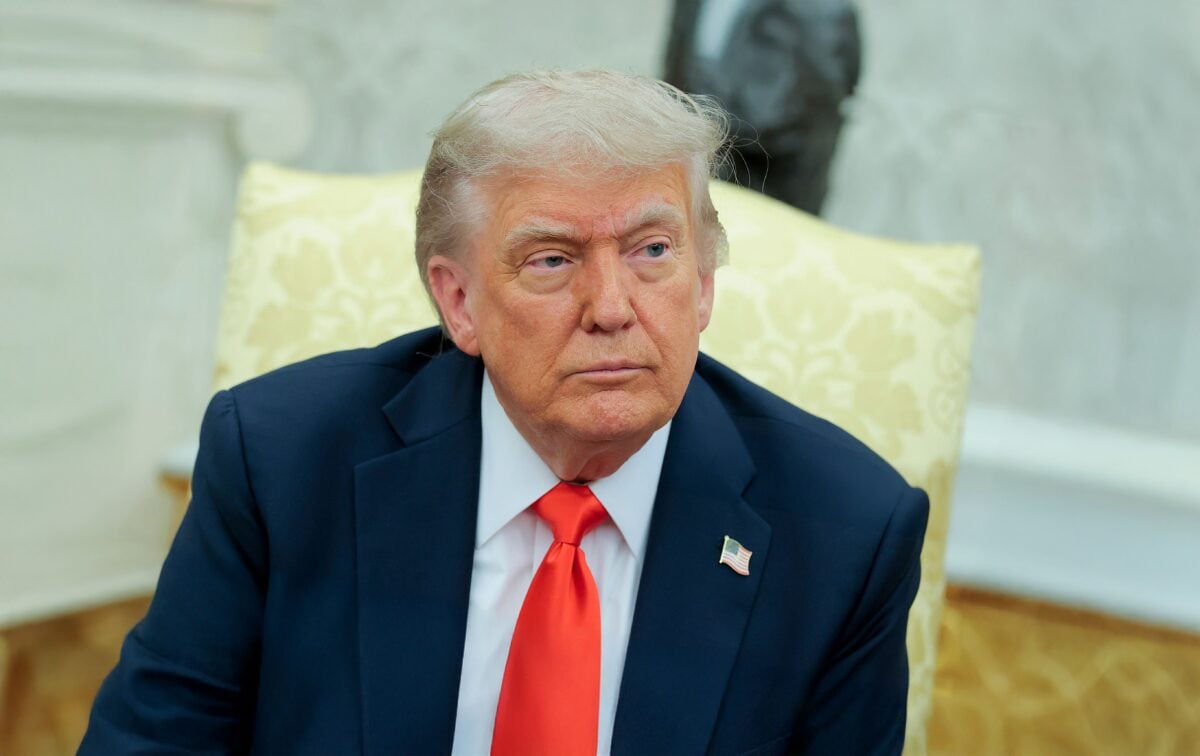
US President Donald Trump has publicly criticized the European Union’s €120 million (US$139.73 million) penalty levied against Elon Musk’s social media company, X. Speaking at a White House event on December 8, Trump described the fine as “a nasty one” and questioned the reasoning behind the European authorities’ decision.
He indicated that he expected a detailed report on the matter later in the day and warned European regulators to exercise caution. “Europe has to be very careful,” Trump stated, while noting that Musk had not reached out to him for assistance regarding the case.
EU Fines X Over Regulatory Breaches
The European Commission issued the fine after determining that X had breached the Digital Services Act (DSA), representing the first enforcement action under the EU’s new rules for Very Large Online Platforms (VLOPs). The penalty targets three major compliance shortcomings.
First, X transformed its verification blue check into a paid feature without proper verification, a change that misled users and fueled online scams. Second, the company’s ad repository lacked complete disclosures, obscuring both advertisers and ad content, which limited public transparency.
Third, X blocked eligible researchers from accessing platform data, hindering independent analysis and accountability. The EU has set clear deadlines for X to remedy these violations, warning that failure to comply could result in recurring fines, underscoring the serious consequences of noncompliance for major tech platforms operating in the European Union.
DSA Enforcement Signals Regulatory Shift
X qualified as a Very Large Online Platform in 2023 after surpassing 45 million monthly users in the EU. While other platforms, such as TikTok, proactively met regulatory commitments, X initially resisted cooperation, prompting the EU’s decision to fine the company.

Under DSA rules, all VLOPs and Very Large Online Search Engines (VLOSEs) must maintain public ad libraries and provide researchers with access to platform data. Platforms are also required to eliminate misleading design elements, often referred to as “dark patterns.”
This action signals a broader push by the EU to enforce transparency and accountability across major social media networks, a trend likely to shape compliance strategies and operational practices for global tech companies.
Market Implications and Compliance Opportunities
The DSA enforcement has sparked interest in vendors providing compliance tools, including ad transparency solutions, researcher APIs, and dark pattern risk management services. These firms can now offer specialized solutions to more than two dozen designated platforms, potentially benefiting from steady demand for regulatory support.
Investors may also explore opportunities in companies that facilitate DSA compliance, as ongoing enforcement across the EU is expected to sustain demand for monitoring and reporting infrastructure. For X, meeting the EU’s requirements is now a top priority to avoid further financial penalties and reputational damage.
Conclusion
President Trump’s public criticism of the EU fine underscores the growing international tension surrounding tech regulation and enforcement. For Musk’s X, the situation highlights the complex intersection of innovation, user protection, and global compliance. As European regulators continue to implement the DSA, the case sets a precedent for how major social media platforms will be held accountable in the future.
Get 3 Free Stock Ebooks
Discover top-performing stocks in AI, Crypto, and Technology with expert analysis.
- Top 10 AI Stocks - Leading AI companies
- Top 10 Crypto Stocks - Blockchain leaders
- Top 10 Tech Stocks - Tech giants


