


TLDR
- TSMC jumps 4.44% as U.S.–Taiwan trade deal reshapes global chip strategy
- New trade pact cuts tariffs to 15% and boosts TSMC’s U.S. fab ambitions
- $500B investment framework positions TSMC for massive U.S. expansion
- Semiconductor trade deal reduces uncertainty and lifts Taiwan tech outlook
- U.S.–Taiwan accord accelerates supply-chain shift and favors TSMC growth
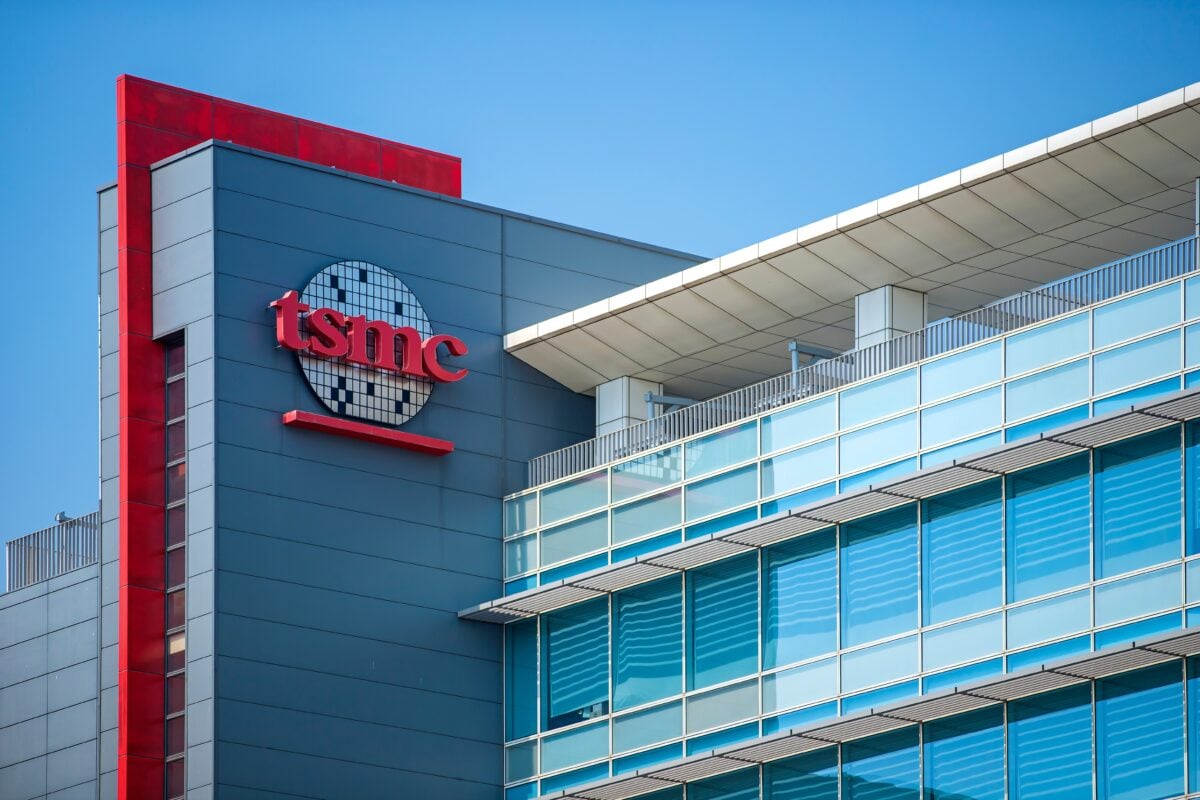
TSMC (TSM) stock gained strong momentum as it closed at $341.64, rising 4.44%, after the U.S. and Taiwan confirmed a sweeping trade agreement that reshapes semiconductor cooperation.
Taiwan Semiconductor Manufacturing Company Limited, TSM
The accord introduces lower tariffs and expands support for advanced chip production, and it immediately shifted expectations for Taiwan’s technology sector. The announcement also strengthened sentiment around TSMC because it positions the company for a major expansion in the United States.
Trade Deal Lowers Tariffs and Reshapes Semiconductor Framework
The United States and Taiwan approved a trade framework that reduces tariffs on Taiwanese goods to 15% and broadens semiconductor cooperation. The deal replaces the earlier 20% rate, and it aligns Taiwan with Japan and South Korea under similar agreements. Both sides advanced provisions that give Taiwanese chipmakers relief from future semiconductor duties.
The agreement includes a $500 billion financing plan that supports American semiconductor operations and encourages Taiwanese firms to scale production in the U.S. This commitment combines direct investment with extensive credit guarantees, and it marks one of Taiwan’s largest overseas economic initiatives. The structure channels funds toward advanced semiconductor, energy, and AI projects.
The Commerce Department also completed an investigation into chip imports and maintained limited sector tariffs while shaping this new arrangement. This approach allowed negotiators to target specific semiconductor rules, and it helped avoid broader disruption in the supply chain. Furthermore, the measured policy added clarity for companies planning new U.S. operations.

TSMC Positioned for Major Expansion Under New Terms
TSMC emerged as a central beneficiary because the company plans to expand its U.S. production network. Reports indicate the firm may build at least four to five additional fabrication plants in Arizona, and this would double its U.S. presence. TSMC already operates or is constructing multiple facilities in the region.
The deal grants tariff-free allowances for Taiwanese semiconductors that exceed current capacity, and the structure favors companies scaling U.S. operations. This access enables firms to import significantly more wafers during construction phases, and it ensures smoother supply for customers. After completion, the allowed capacity declines but remains advantageous for long-term planning.
U.S. officials outlined a broader goal to bring a large share of Taiwan’s semiconductor ecosystem to the United States. The expansion would include upstream and downstream suppliers, and it would reshape the regional industrial map. The agreement establishes a foundation for deeper supply-chain integration across both markets.
Geopolitical and Economic Context Shapes Wider Impact
The accord removes a long-standing point of tension between Washington and Taipei, and it strengthens cooperation ahead of planned diplomatic meetings. Taiwan sought to finalize this agreement before high-level talks between U.S. and Chinese leaders, and the timing supports Taiwan’s strategic position. The structure reflects Taiwan’s effort to secure long-term economic and security guarantees.
Taiwan’s economy continues to benefit from strong global demand for advanced chips, and recent export growth helped lift the island’s GDP forecast to 7.3% for 2025. The revised outlook highlights the role of AI-related hardware, and it underscores the significance of semiconductor leadership. The trade deal reduces uncertainty surrounding tariff exposure.
Regional competitors such as South Korea may request matching terms under earlier cooperation pledges with the United States. This dynamic could reshape semiconductor policy across Asia, and it may influence production decisions in major technology hubs. The agreement shifts global chip strategy while accelerating TSMC’s U.S. growth path.
Get 3 Free Stock Ebooks
Discover top-performing stocks in AI, Crypto, and Technology with expert analysis.
- Top 10 AI Stocks - Leading AI companies
- Top 10 Crypto Stocks - Blockchain leaders
- Top 10 Tech Stocks - Tech giants


