


Key Takeaways
- National gas average surged nearly $0.50 in seven days to reach $3.48 per gallon
- Crude oil prices exceeded $110/barrel following near-complete shutdown of Strait of Hormuz shipping
- Industry experts project 80% probability of $4/gallon gas arriving within 30 days
- Diesel costs jumped to $4.66/gallon from last week’s $3.77
- Financial analysts warn of potential stagflation as energy costs climb while employment data softens
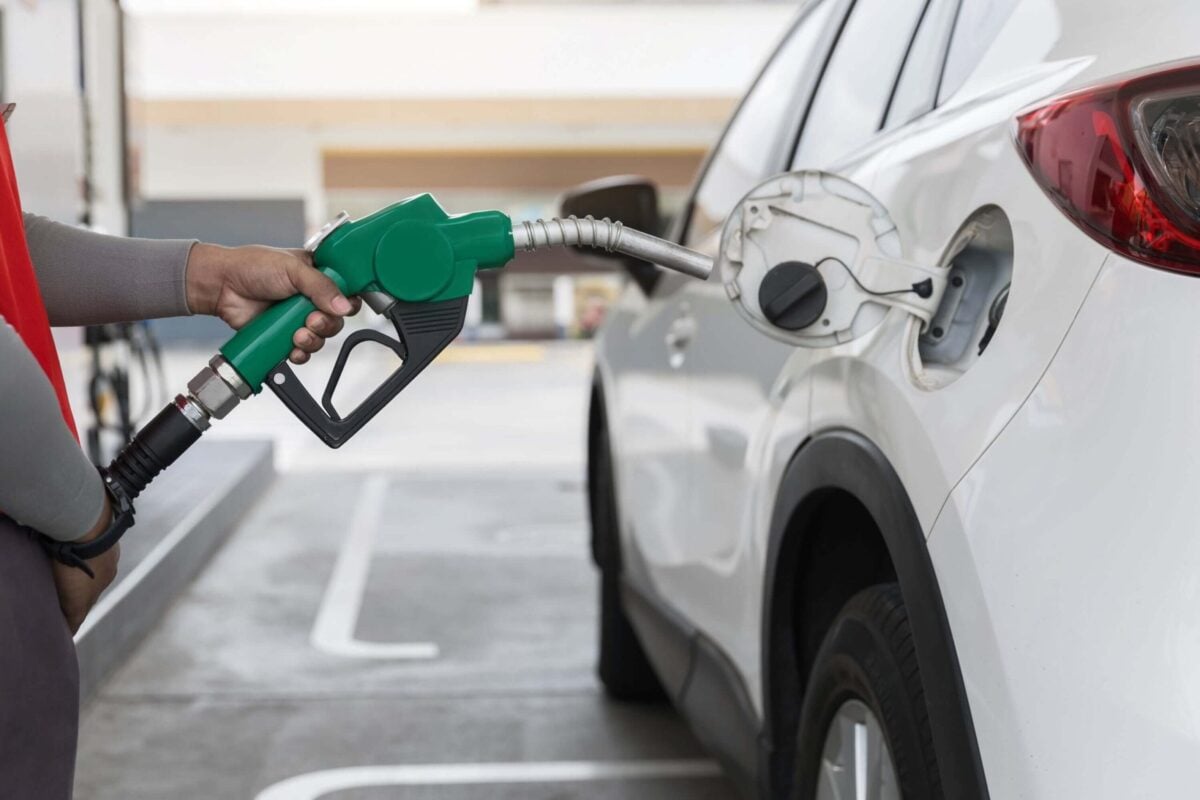
American motorists are experiencing a dramatic surge in fuel costs as Middle Eastern hostilities continue to disrupt worldwide petroleum distribution networks. Monday’s national gasoline average reached $3.48 per gallon, marking a significant increase from the previous week’s $2.99.
This represents approximately a 17% escalation since the commencement of U.S.-Israeli military operations against Iran on February 28.
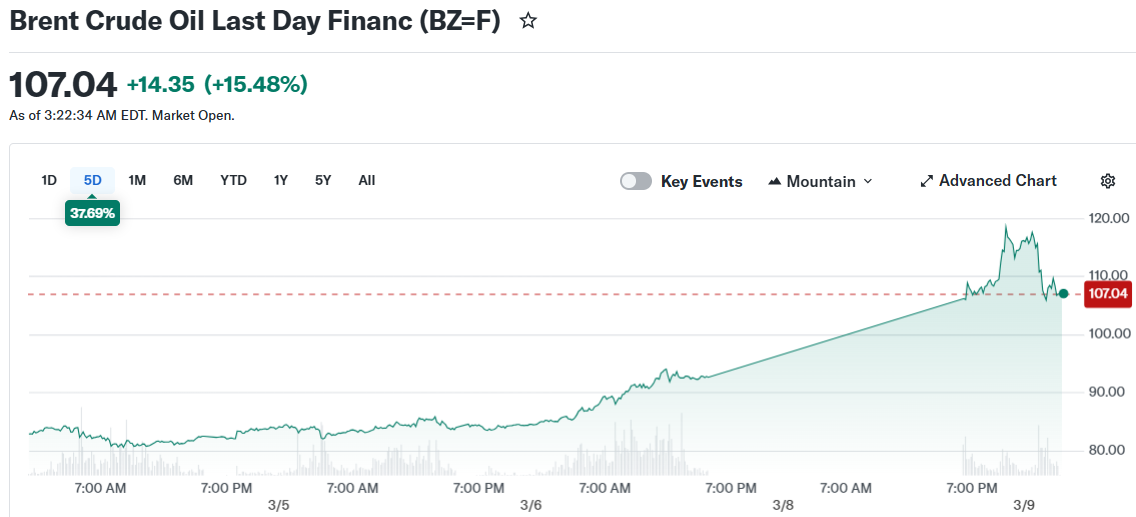
Crude oil valuations surpassed the $110 per barrel threshold Sunday night. This spike followed the virtual cessation of tanker movements through the Strait of Hormuz. Under normal circumstances, this critical maritime passage handles roughly 20% of global oil transportation.
Tehran announced additional missile launches targeting Israel, characterizing them as retaliation against what Iranian officials describe as widening U.S.-Israeli military operations. The regional confrontation has now entered its tenth consecutive day.
Patrick De Haan, a petroleum analyst with GasBuddy, indicated Sunday that probability stands at roughly 80% for the national average to reach the $4 per gallon threshold during the coming month. He projected that prices might escalate to a range between $3.75 and $3.95 during the current week.

Americans last encountered $4 per gallon pricing in August 2022.
For each $10 increase in crude oil prices, American consumers typically absorb approximately $0.25 more per gallon at filling stations. With crude now exceeding $100, these calculations are rapidly accumulating.
In aggregate terms, American drivers are currently expending roughly $187 million additional dollars daily on gasoline compared to seven days earlier.
Diesel Expenses Accelerating More Rapidly
Diesel fuel costs are outpacing regular gasoline increases. Monday’s national diesel average registered $4.66 per gallon, climbing from the previous week’s $3.77.
De Haan assessed the likelihood of diesel reaching $5 per gallon nationwide at 85%, potentially materializing this week. Such pricing would mark the first occurrence since December 7, 2022.
Elevated diesel pricing extends beyond commercial drivers. The majority of American merchandise moves via freight trucks. When diesel expenses increase, transportation costs escalate, and retailers transfer these expenses to consumers through elevated retail pricing.
This translates to potential price increases across food products, apparel, and building supplies.
Stagflation Concerns Intensify Among Financial Institutions
Escalating energy expenses are generating wider economic apprehension. JPMorgan market strategists communicated to investors Monday that “concerns about stagflation are rising in the U.S.”
Stagflation describes an economic scenario combining elevated inflation with stagnant economic expansion. Nigel Green, CEO of deVere Group, characterized this as a “toxic combination” and a “very real possibility.”
Green explained that when energy costs accelerate at this velocity, inflation expands across economic sectors. Enterprises confront increased operational expenses, consumers manage higher expenditures, and economic growth simultaneously decelerates.
Regional pricing exhibits considerable variation. California motorists were spending $5.20 per gallon as of Saturday, representing the nation’s highest rate. Kansas drivers experienced the lowest costs at $2.92.
Get 3 Free Stock Ebooks
Discover top-performing stocks in AI, Crypto, and Technology with expert analysis.
- Top 10 AI Stocks - Leading AI companies
- Top 10 Crypto Stocks - Blockchain leaders
- Top 10 Tech Stocks - Tech giants


