


TLDRs :
- UK shares reach 2008-like highs, sparking fears of tech sector correction.
- Banks to lower Tier 1 capital requirements to support lending by 2027.
- AI infrastructure debt is concentrated in cloud and neocloud companies.
- Pay-as-you-go GPU services help SMEs access AI computing without high costs.
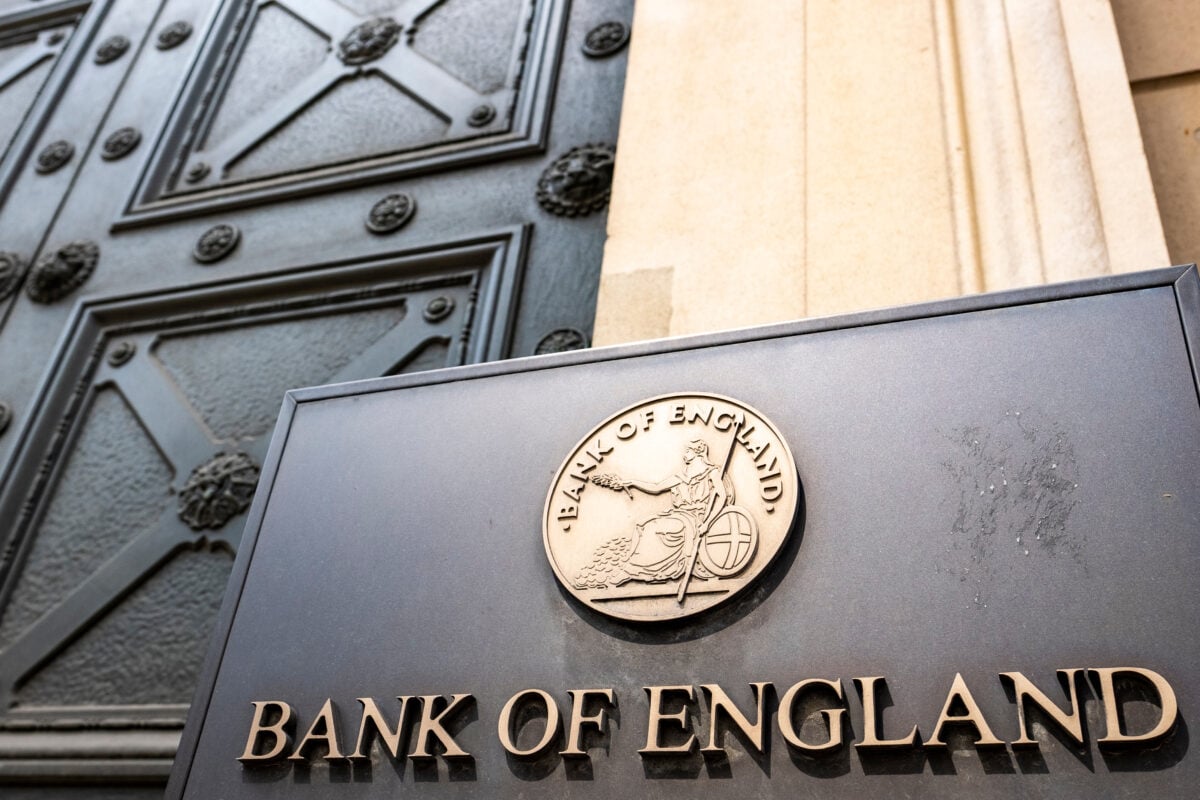
The Bank of England has issued a stark warning over the valuation of UK shares, highlighting that prices have reached levels unseen since the 2008 financial crisis.
The central bank cautioned that tech companies, particularly those involved in artificial intelligence (AI), could face sharp corrections, signaling potential financial instability in the sector.
AI Bubble Concerns Rise
The Bank’s report noted that the rapid expansion of AI-related firms is being fueled by trillions of dollars in debt. Industry projections suggest that global AI infrastructure spending could surpass $5 trillion, with roughly half of that financed through borrowing. This heavy reliance on debt raises concerns that a downturn in tech valuations could ripple across financial markets.
In the United States, tech company valuations are drawing comparisons to levels observed prior to the dotcom crash, further intensifying fears of an overheated market. Analysts warn that if growth expectations fail to materialize, investors could face significant losses.
Tier 1 Capital Requirements Reduced
In a related move, the Bank of England announced plans to ease capital requirements for banks, lowering the Tier 1 capital threshold from 14% to 13% starting in 2027. This adjustment, the first since the global financial crisis, is intended to bolster lending to households and businesses while providing additional liquidity to support the broader economy amid uncertain market conditions.
Bank officials emphasized that this change does not signal immediate concern for banks’ solvency but is designed to maintain credit flow as the AI sector grows rapidly.

Debt Clusters in AI Infrastructure
AI-related debt is concentrated among major cloud providers and specialized “neocloud” firms offering Graphics Processing Unit (GPU)-as-a-service. Companies like Meta and Oracle have issued tens of billions in bonds in recent months, increasing long-term liabilities.
Despite these elevated debts, credit default swap (CDS) spreads indicate that default risk remains low, though market pressures have caused short-term fluctuations.
Mid-chain vendors and GPU-focused startups such as CoreWeave face transmission risks, as capital constraints and trading-driven moves could cause credit spreads to swing. This has created opportunities for investors in software that optimizes GPU utilization and pay-per-use compute services.
Shift Toward Pay-As-You-Go GPU Services
With upfront capital expenditure becoming increasingly difficult for AI startups, many enterprises are moving toward pay-as-you-go GPU services.
The GPU-as-a-service market is expected to grow from $4.96 billion in 2025 to nearly $32 billion by 2034, driven by small and medium-sized enterprises that can scale usage without heavy upfront investment.
This model allows firms to access high-performance GPUs, including NVIDIA H100s, for AI training and inference, while avoiding idle infrastructure costs. Investors are eyeing opportunities in utilization software vendors and GPUaaS providers as capital-intensive projects face tighter financing conditions.
Get 3 Free Stock Ebooks
Discover top-performing stocks in AI, Crypto, and Technology with expert analysis.
- Top 10 AI Stocks - Leading AI companies
- Top 10 Crypto Stocks - Blockchain leaders
- Top 10 Tech Stocks - Tech giants


