


TLDRs;
- HCMC strengthens cooperation with Ant International to build a regional fintech innovation hub.
- City leaders seek WEF support to accelerate digital finance and regulatory modernization.
- Vietnam’s fintech sandbox expands testing, but cross-border pilots remain prohibited.
- New digital technology law offers tax breaks and visas to attract fintech talent.
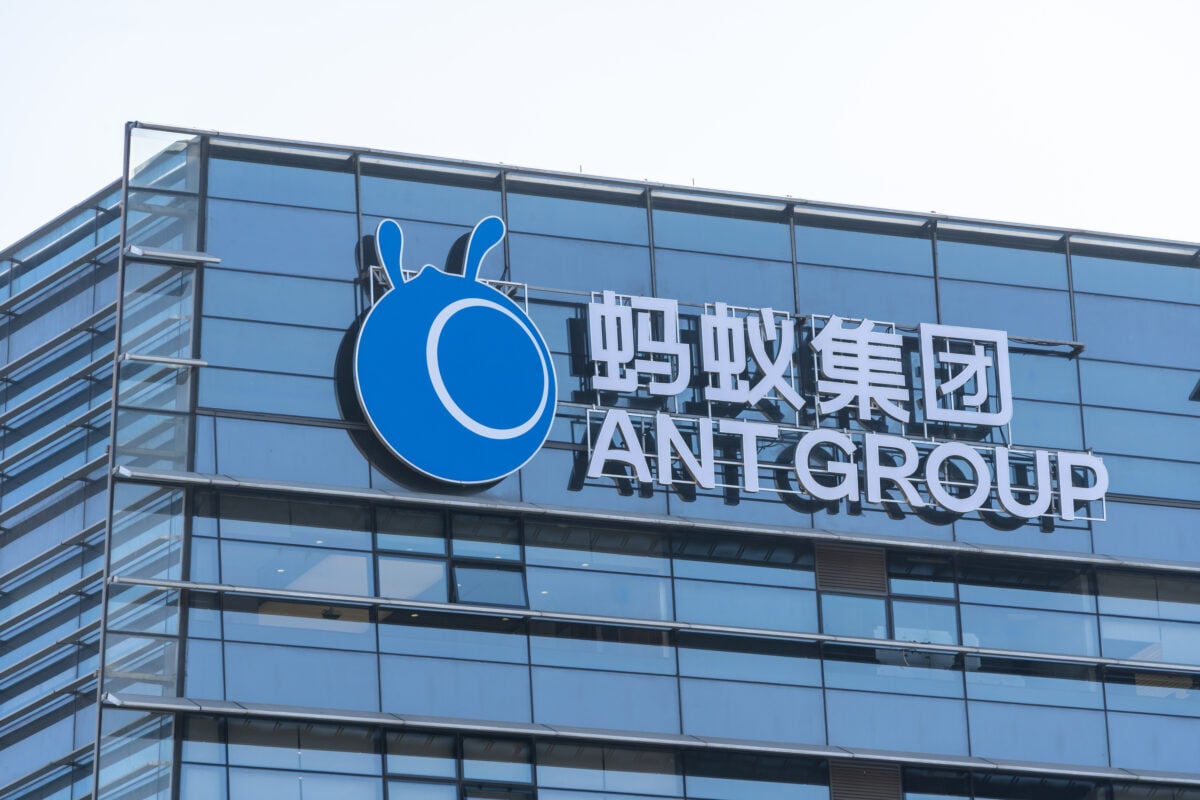
Ho Chi Minh City is stepping up efforts to position itself as a rising fintech powerhouse in Southeast Asia, with city officials announcing deeper collaboration with Ant International and the World Economic Forum (WEF).
The move reflects Vietnam’s ambition to elevate its financial sector, nurture new digital services, and compete regionally in a rapidly transforming global fintech landscape.
The announcement followed a high-level meeting during the city’s Autumn Economic Forum, where Chairman Nguyễn Văn Được held strategic discussions with WEF Managing Director Stephan Mergenthaler and Ant International CEO Yang Peng.
The talks centered on how Ho Chi Minh City and Ant International could jointly accelerate technological innovation, strengthen regulatory capacity, and build a fully fledged fintech hub capable of supporting cross-border economic activity.
Boosting Fintech Cooperation
City officials confirmed that discussions with Ant International, a Singapore-based fintech group operating globally, covered a wide range of initiatives. These include building a stronger digital finance ecosystem, improving policy advisory channels, refining regulatory frameworks, and upskilling local engineering talent.
Ho Chi Minh City pledged to provide enhanced support for Ant International’s expansion through investment incentives, improved infrastructure, and streamlined coordination with local authorities. The city aims to use public-private partnerships as a cornerstone for its next stage of fintech development.
Ant International has already set up a digital payment services research and development center in the city and begun hiring engineers. The company plans further investment as it deepens its footprint in Vietnam and develops solutions tailored for both domestic and regional markets.

WEF Partnership Strengthens Innovation Push
Chairman Nguyễn Văn Được highlighted the role of the Centre for the Fourth Industrial Revolution (C4IR), as an anchor institution in the city’s long-term strategy.
C4IR Vietnam is expected to help guide policy modernization and advance collaboration between public and private stakeholders.
WEF and C4IR are scheduled to release new activity plans and outline upcoming priority areas, signaling an intensified focus on digital transformation, responsible technology policy, and capacity-building efforts.
Sandbox Progress, But Cross-Border Barriers Remain
Vietnam’s fintech sandbox officially became operational in July 2025, offering controlled testing environments for products such as credit scoring, API-based data sharing, and peer-to-peer lending. The program allows participants to test innovations with real users for up to two years under regulatory supervision.
However, one major limitation remains, cross-border payment testing is prohibited. This restriction prevents companies, including Ant International, from piloting international remittance or payment solutions within the sandbox, slowing Vietnam’s plans to become a regional financial gateway.
The sandbox also excludes activities such as cryptocurrency trading, robo-advisory, and insurtech, narrowing the scope for certain types of fintech experimentation.
Tax Breaks and Talent Incentives Under New Digital Law
Vietnam’s Digital Technology Industry Law, set to take effect on January 1, 2026, introduces a new wave of incentives designed to attract global tech investors. Companies that establish operations within designated digital technology zones may benefit from corporate tax holidays, R&D-focused tax deductions, and reduced land rents.
Foreign experts in digital technology sectors will also gain improved access to five-year visas, faster work permit approvals, and personal income tax incentives, a major advantage for R&D centers like Ant International’s, which need highly specialized engineering talent.
These incentives aim to close Vietnam’s talent gap, draw advanced research projects into the country, and support the development of world-class fintech capabilities.
Get 3 Free Stock Ebooks
Discover top-performing stocks in AI, Crypto, and Technology with expert analysis.
- Top 10 AI Stocks - Leading AI companies
- Top 10 Crypto Stocks - Blockchain leaders
- Top 10 Tech Stocks - Tech giants


