


Key Takeaways
- Virgin Galactic has temporarily suspended commercial space tourism operations while developing its Delta Class spacecraft fleet.
- The company anticipates initiating test flights during Q3 2026, with plans to resume commercial operations in Q4 2026.
- Q4 2025 revenue reached only $0.31 million, effectively near-zero operational income.
- Annual free cash flow for 2025 reached negative $438 million, showing improvement compared to the prior year.
- Analyst consensus leans toward Reduce, with a collective 12-month price projection of $3.45.
SPCE shares continue trading at suppressed valuations, with analyst price targets averaging $3.45 over the next twelve months.
Virgin Galactic Holdings, Inc., SPCE
Virgin Galactic’s Q4 2025 financial results showed minimal revenue of just $0.31 million. The company has halted commercial space tourism while concentrating resources on developing its Delta Class vehicle platform.
For the complete 2025 fiscal year, free cash flow registered at negative $438 million. This figure encompasses $240 million in operational cash consumption and an additional $198 million allocated to capital investments.
The space tourism company exceeded earnings forecasts when measured by loss per share in its most recent quarterly disclosure. However, given the virtually non-existent revenue stream, this accomplishment offers limited reassurance.

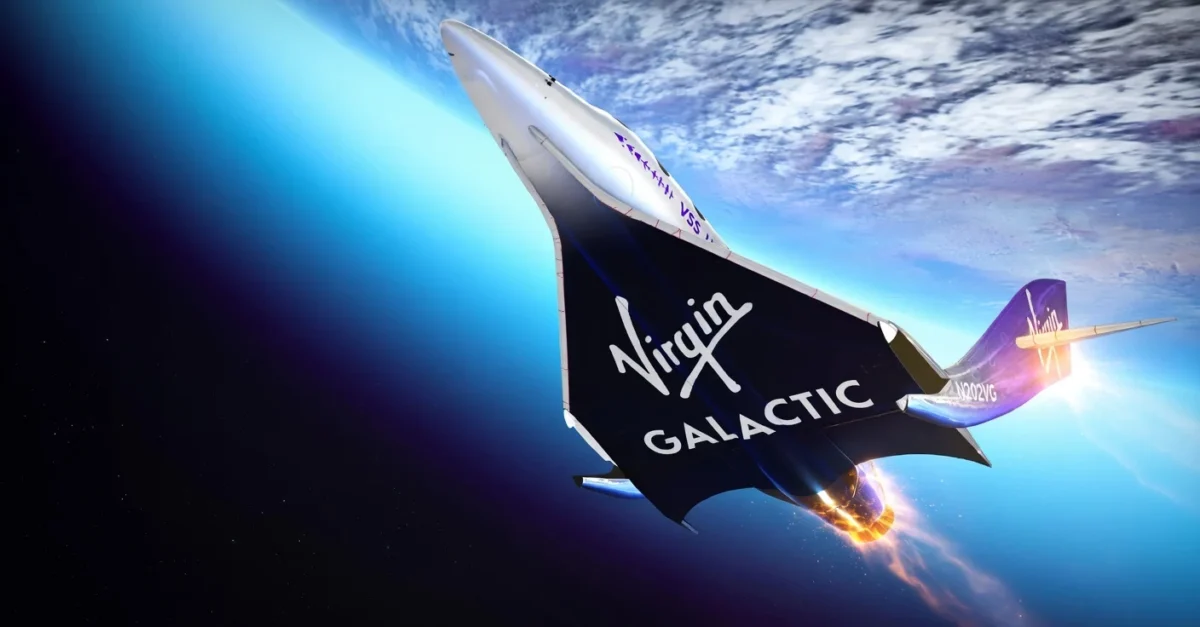
The Delta Class platform represents a fundamental redesign intended to enable more frequent missions while reducing per-flight operational expenses compared to Virgin Galactic’s legacy spacecraft system. While the original system captured public imagination, it ultimately failed to achieve commercial sustainability.
Company leadership has established a definitive roadmap. Test flight operations are scheduled to commence in Q3 2026. Commercial service resumption, beginning with a research-focused mission, is targeted for Q4 2026.
For shareholders holding SPCE, this development schedule represents the critical variable. Delays beyond these milestones would likely trigger additional selling pressure. Successfully meeting these targets would at minimum provide renewed investor confidence.
Cash Consumption Remains the Primary Concern
The organization continues depleting cash reserves at an alarming pace during this revenue-free development phase. Each passing quarter without operational Delta Class flights extends the financial runway challenge.
While the year-over-year reduction in cash consumption from 2024 to 2025 demonstrates positive momentum, the absolute figures remain substantial. Virgin Galactic must eventually achieve a flight cadence generating sufficient income to materially reduce this cash drain.
Current financial disclosures don’t indicate immediate liquidity concerns, but capital runway management will remain a focal point for investors as the 2026 milestones draw closer.
Analyst Sentiment and Price Projections
Wall Street’s collective stance on SPCE currently registers as Reduce. This consensus comprises 1 buy rating, 3 hold ratings, and 2 sell ratings, based on MarketBeat data.
The mean 12-month price objective stands at $3.45. While this suggests potential appreciation from current trading levels, it underscores the prevailing cautious outlook among market analysts.
The Virgin Galactic brand maintains significant recognition. The company’s founder-led narrative continues attracting media coverage. Neither factor, however, funds the Delta Class development program.
Absent concrete flight performance data and meaningful revenue generation, analysts are unlikely to materially upgrade their positions.
Bottom Line
Virgin Galactic represents an all-or-nothing proposition entering the second half of 2026. Delta Class must demonstrate flight capability and commercial operations must resume according to schedule, or mounting delays will intensify the challenging financial situation.
The company faces a legitimate inflection point ahead. The Q3 2026 test campaign and Q4 2026 commercial restart offer a tangible opportunity to transform the investment thesis.
Analyst consensus remains skeptical with a Reduce rating and $3.45 average target price, while SPCE continues posting essentially zero revenue.
Get 3 Free Stock Ebooks
Discover top-performing stocks in AI, Crypto, and Technology with expert analysis.
- Top 10 AI Stocks - Leading AI companies
- Top 10 Crypto Stocks - Blockchain leaders
- Top 10 Tech Stocks - Tech giants


