


TLDRs:
- Visa and Mastercard are reportedly close to settling a decades-long lawsuit with US merchants.
- Proposed deal could lower interchange fees, but network fees remain unaffected.
- Merchants may gain more flexibility in choosing which card types to accept.
- Payment orchestration companies could benefit from new card routing and compliance tools.
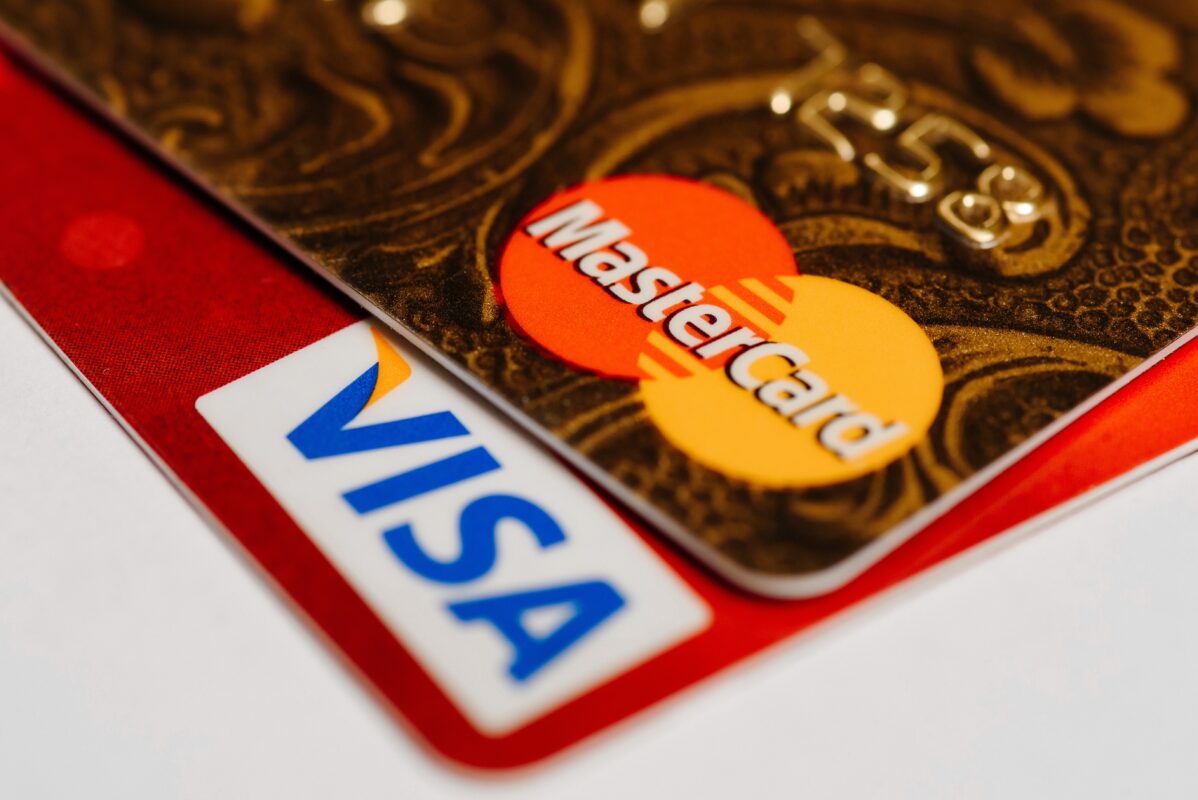
Visa and Mastercard appear poised to bring a decades-long legal conflict with US merchants to a close.
According to sources cited by the Wall Street Journal, the financial giants are nearing a settlement that could reduce the fees merchants pay for processing card payments while offering greater flexibility in card acceptance policies.
A source familiar with the matter noted it could not independently verify these details, but the potential resolution signals a major shift for the retail and payments industry.
Historic Legal Battle Nears Resolution
The legal dispute between Visa, Mastercard, and US merchants has stretched over twenty years, revolving around the fees stores incur when accepting credit cards.
If finalized, the settlement could mark one of the most significant merchant-friendly moves by the card networks in recent decades. While the settlement reportedly reduces fees by only a fraction, around one-tenth of a percentage point, the impact on small and medium-sized merchants could be meaningful over time, particularly given the volume of card transactions processed annually.
Interchange Fees May See Slight Cuts
The proposed reductions focus on interchange fees, which are per-transaction costs that merchants pay to card-issuing banks.

Currently, the 2024 average swipe fee stands at 2.35%, according to the Merchant Payments Coalition (MPC). The settlement does not affect network fees, which are charged directly by Visa and Mastercard.
This means any potential savings could be partially offset if networks decide to increase their own charges, leaving the ultimate financial impact on merchants somewhat uncertain. Details such as the phase-in schedule, duration of the settlement, and affected card categories remain to be clarified.
Merchants Could Gain Card Control
Beyond cost reductions, the settlement may allow merchants more control over which card types they accept.
Currently, the “honor all cards” rule requires that if a merchant accepts a network’s cards, it must accept all cards on that network. Under the new framework, merchants might be able to selectively accept certain categories, such as rewards credit cards, non-rewards credit cards, or commercial cards, while still complying with network standards within chosen categories.
With approximately 85% of cards being rewards cards, this selective acceptance could help merchants strategically manage processing costs, though higher-fee cards may still dominate transaction flows in practice.
Payment Tech Firms Eye New Opportunities
The potential rule changes could create opportunities for payment orchestration firms, which develop platforms that optimize transactions across multiple processors and networks.
These companies could offer solutions for dynamic routing, BIN-based filtering, and compliance management to help merchants maximize cost savings and operational efficiency. The financial viability of such services will depend on which aspects of the settlement are approved by the courts and how broadly merchants adopt the new card acceptance options.
While many details remain uncertain, the potential settlement between Visa, Mastercard, and US merchants represents a notable shift in the payments landscape. For merchants, even modest fee reductions coupled with increased control over card acceptance could translate into meaningful cost savings over time.
Meanwhile, payment technology providers stand ready to innovate, positioning themselves as key partners in helping merchants navigate the evolving payments ecosystem.
Get 3 Free Stock Ebooks
Discover top-performing stocks in AI, Crypto, and Technology with expert analysis.
- Top 10 AI Stocks - Leading AI companies
- Top 10 Crypto Stocks - Blockchain leaders
- Top 10 Tech Stocks - Tech giants


