


TLDR
- Walmart hit a $1 trillion market cap on Tuesday, becoming the first traditional retailer to reach this milestone
- The stock surged above $126 per share, driven by strong e-commerce growth and investments in AI and automation
- Walmart joins an exclusive group of mostly tech companies including Amazon, Nvidia, Meta, and Microsoft
- The company can now deliver same-day orders to 95% of U.S. households and made its e-commerce unit profitable for the first time
- New CEO John Furner took over from Doug McMillon on January 31 after McMillon’s 12-year tenure
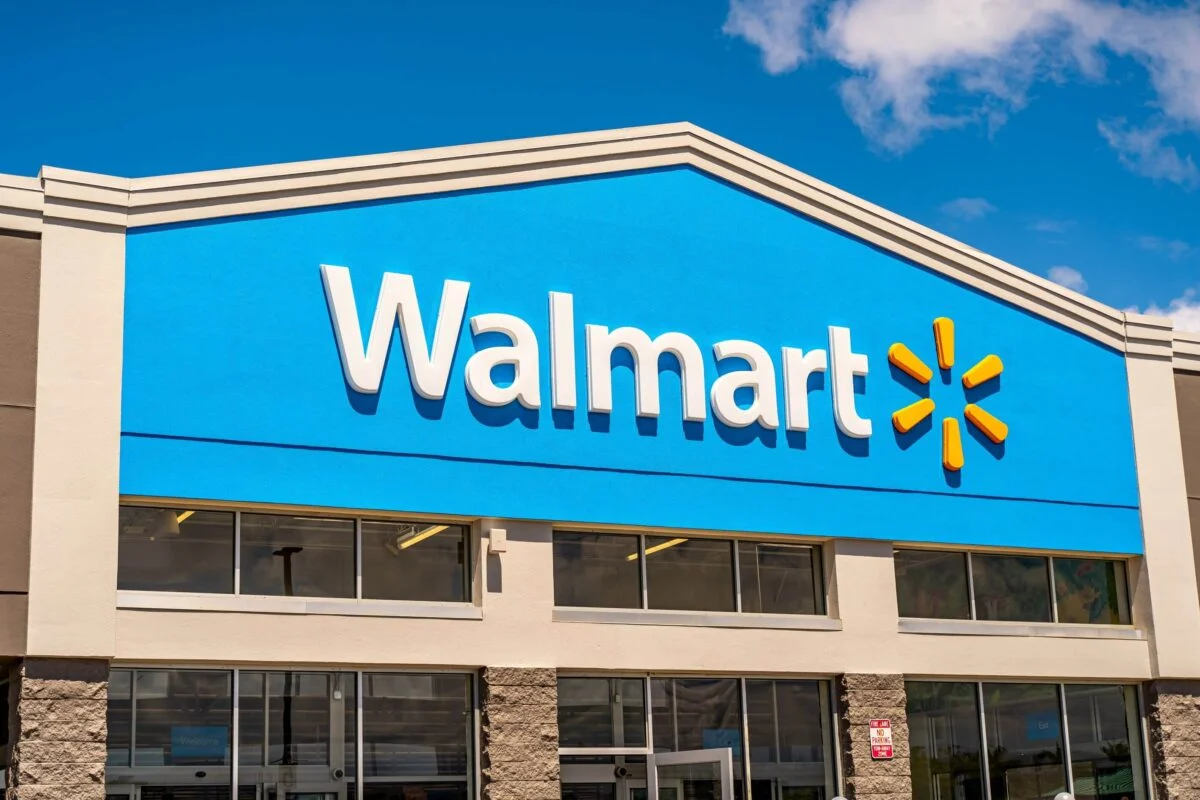
Walmart crossed the $1 trillion market capitalization threshold on Tuesday morning. The stock climbed above $126 per share to reach the milestone.
This makes Walmart the first traditional retailer to join the trillion-dollar club. The company’s current market cap stands at approximately $1.005 trillion.
The Bentonville, Arkansas-based retailer now sits alongside tech giants like Amazon, Nvidia, Meta Platforms, and Microsoft. Only 11 companies have ever reached this 13-figure valuation.
Walmart’s stock has climbed sharply in recent months. Wall Street has shown enthusiasm for the company’s online business growth and technology investments.
The retailer has poured money into automation and artificial intelligence. These investments aim to boost efficiency across operations.

Sales have grown as more customers choose Walmart for low prices and fast delivery. The company’s broad selection also attracts shoppers.
E-Commerce Powers Growth
Walmart accelerated its delivery capabilities over the past decade. The company can now deliver same-day orders to 95% of U.S. households.
Executives announced last year that e-commerce would be profitable as a standalone unit for the first time. Investors had waited years for this achievement.
The company added more products targeting higher-income shoppers. These include trendy small appliances and store-brand foods.
Walmart’s transformation over the past ten years represents a profound shift, according to Morgan Stanley retail analyst Simeon Gutman. He has followed the company since 2001.
Ten years ago, the picture looked different. Walmart’s market value was $212 billion at the end of 2016.
Warren Buffett’s Berkshire Hathaway sold a large portion of its Walmart stake in 2016. The firm fully exited by 2018.
Technology Investments Pay Off
Walmart automated many warehouse tasks in recent years. AI investments helped keep the global workforce around 2.1 million employees even as revenue grew.
This represents cost savings as sales expanded. The company prioritized efficiency gains through technology.
In December, Walmart moved its stock listing from the New York Stock Exchange to Nasdaq. The company said this would help investors view it as a technology-focused growth company.
Leadership changed at the end of January. Doug McMillon stepped down as CEO after 12 years on January 31.
John Furner succeeded McMillon as chief executive. Furner previously led Walmart’s U.S. operations.
Investment firm Berkshire Hathaway joined the trillion-dollar group in 2024. Drugmaker Eli Lilly crossed the mark in November before its valuation fell to $984 billion.
Most companies in this exclusive club focus on technology. Walmart breaks that pattern as a traditional retailer.
Walmart’s stock price needed to reach $125.47 per share to hit the trillion-dollar valuation. The shares pushed above that level in Tuesday morning trading.
Get 3 Free Stock Ebooks
Discover top-performing stocks in AI, Crypto, and Technology with expert analysis.
- Top 10 AI Stocks - Leading AI companies
- Top 10 Crypto Stocks - Blockchain leaders
- Top 10 Tech Stocks - Tech giants


