


TLDRs;
- Waymo expands autonomous freeway rides across Bay Area, Phoenix, and LA after years of controlled testing.
- The company now serves San Jose Airport, with Austin and Atlanta next in line.
- Over 100 million driverless miles logged since 2019 with no fatalities reported.
- CPUC and DMV continue overseeing safety and passenger protection as Waymo broadens its service reach.
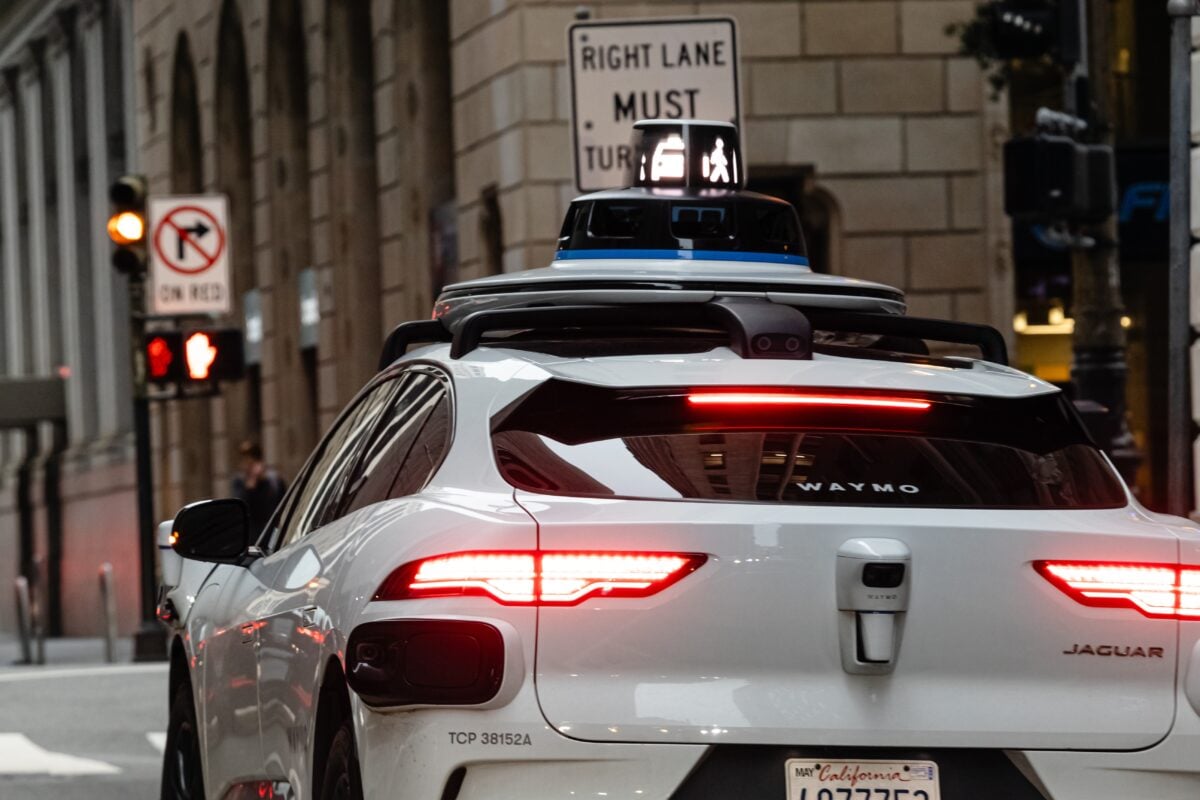
Alphabet-owned Waymo is taking its autonomous vehicle operations to the next level, expanding driverless rides onto major freeways in the San Francisco Bay Area, Phoenix, and Los Angeles.
The move marks a significant milestone for the self-driving car pioneer, which now plans to roll out freeway trips to additional cities, including Austin and Atlanta.
The expansion also introduces new curbside pickup options at San Jose Mineta International Airport, a first for the company. By gradually unlocking freeway routes, Waymo aims to bring fully autonomous mobility closer to mainstream adoption, offering longer, more practical trips for passengers in major urban corridors.
Safety Track Record Boosts Confidence
The expansion follows years of controlled testing and collaboration with safety authorities. According to Waymo, the decision to open freeways to the public came only after extensive test drives with employees and select guests.
The company’s impressive safety record has helped secure regulator trust. Since 2019, Waymo vehicles have logged over 100 million autonomous miles without a single death. Although the National Highway Traffic Safety Administration (NHTSA) has recorded more than 80 injury incidents involving the company’s cars, Waymo notes that most resulted from other drivers’ errors, not the autonomous systems.
A recent California Court of Appeal decision reinforced this perspective, affirming the state’s Public Utilities Commission’s (CPUC) reliance on Department of Motor Vehicles (DMV) safety oversight. The ruling effectively acknowledged Waymo’s strong safety compliance and track record.

Navigating the Regulatory Highway
Operating autonomous vehicles on public roads requires a dual layer of regulatory approval. In California, the CPUC oversees passenger protection and service deployment, while the DMV governs vehicle safety and performance standards.
Waymo’s freeway expansion falls under existing CPUC passenger oversight and DMV safety frameworks. The company holds the necessary Autonomous Vehicle Deployment Permit, allowing it to offer paid driverless rides. However, any major changes, such as geographic expansion or new service features, may require additional CPUC filings known as “Advice Letters.”
These regulatory filings serve as public logs for tracking service modifications and maintaining accountability. Waymo’s compliance with both state and local oversight structures has been key to earning continued operational freedom.
Airports and Cities Embrace Robotaxi Era
As Waymo scales its network, airports are emerging as crucial partners in the driverless future. San Jose Mineta International Airport is now officially served by Waymo’s fleet, with discussions underway for similar arrangements at San Francisco and Oakland airports.
Elsewhere, Sacramento International Airport has opened its doors to curbside automation, issuing new Requests for Proposals for on-demand taxi and enforcement systems. The airport recently partnered with Automotus, a company specializing in curbside analytics and automated enforcement technology, signaling a broader industry shift toward mixed-fleet coordination.
Even Tesla, a rival in autonomous mobility, is reportedly in talks with California regulators and airports regarding future robotaxi pickups, though no official permits have been granted yet.
The movement toward curb automation reflects a growing demand for infrastructure that accommodates multiple autonomous operators simultaneously. This shift could redefine airport transport management, replacing exclusive vendor models with multi-operator, data-driven systems.
Get 3 Free Stock Ebooks
Discover top-performing stocks in AI, Crypto, and Technology with expert analysis.
- Top 10 AI Stocks - Leading AI companies
- Top 10 Crypto Stocks - Blockchain leaders
- Top 10 Tech Stocks - Tech giants


