


TLDRs;
- Xi Jinping proposed a World Artificial Intelligence Cooperation Organization at the APEC summit in South Korea.
- The initiative aims to promote fair global AI development and establish common governance standards.
- APEC leaders endorsed a broader AI plan but stopped short of forming a new international body.
- Shanghai is being considered as a potential host, aligning with its growing AI industry and regulatory pilots.
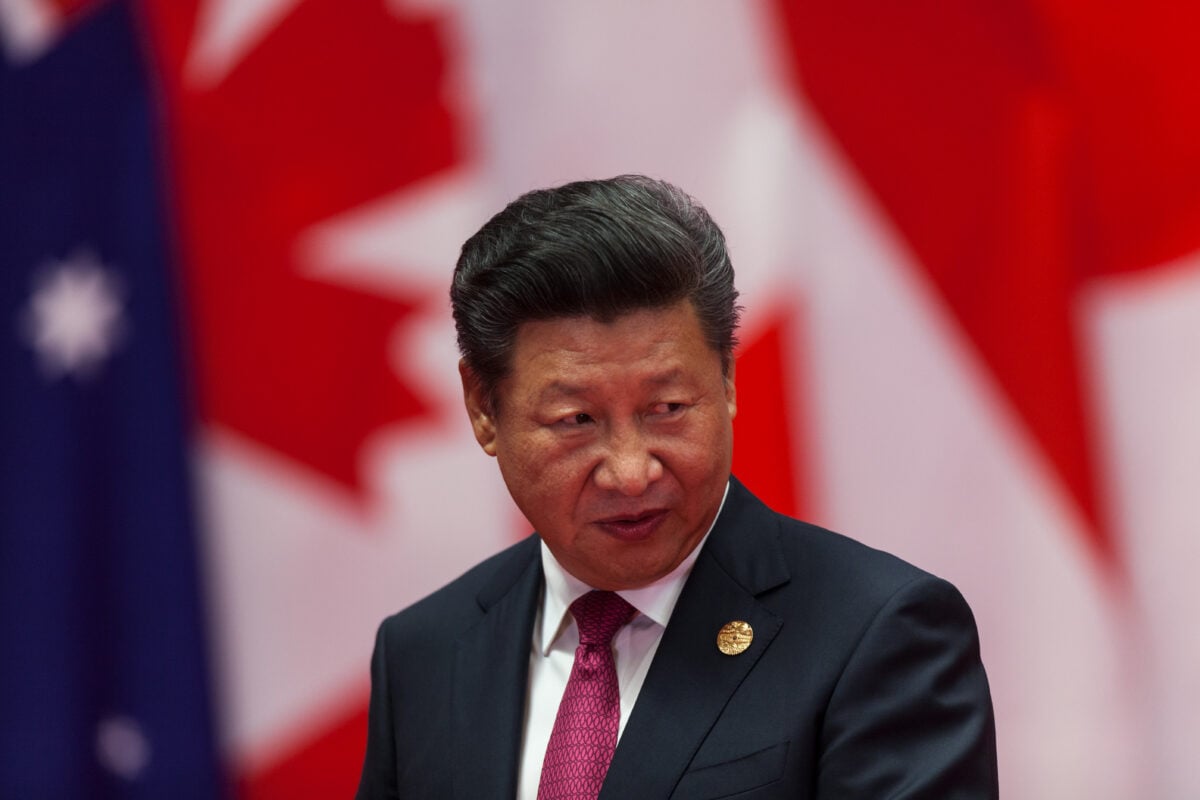
Chinese President Xi Jinping has proposed the creation of a global organization to oversee artificial intelligence (AI), underscoring China’s ambition to play a central role in shaping the technology’s future.
Speaking at the Asia-Pacific Economic Cooperation (APEC) summit in Gyeongju, South Korea, Xi outlined his vision for a World Artificial Intelligence Cooperation Organization, a multilateral body designed to establish global governance standards and foster international collaboration.
Xi emphasized that AI’s influence transcends borders and must be managed in a way that ensures “fair development and shared benefits” for all nations. He characterized the technology as “a cornerstone of future productivity and human progress,” urging countries to embrace cooperation over competition.
Shanghai Emerges as a Potential Host City
Chinese officials have floated Shanghai as the possible headquarters for the proposed AI organization, positioning the metropolis as a regional hub for innovation and governance.
The city’s existing AI + Manufacturing plan aims to integrate artificial intelligence into 3,000 factories and develop 10 industry benchmark models by 2027, signaling strong local support for global AI initiatives.
Shanghai is also piloting regulatory flexibility for foreign-funded tech firms. Since mid-2025, international game studios have been allowed to use domestic licensing pathways, while new certification programs and subsidies target companies operating in AI-heavy sectors like biomedicine, aerospace, and new energy vehicles.

If selected, Shanghai’s infrastructure and policy environment could make it a strategic anchor for an international AI governance body, reflecting Beijing’s broader goal to embed China deeply into the architecture of emerging tech regulation.
APEC Opts for Broader AI Plan
Despite Xi’s proposal, APEC leaders did not formally endorse the creation of a new global organization. Instead, they backed the APEC Artificial Intelligence (AI) Initiative (2026–2030), a comprehensive framework aimed at boosting innovation, training, and AI infrastructure investment among member states.
The plan will function alongside existing international and domestic AI programs, respecting each country’s sovereignty over its own policy approach. It emphasizes skill development and information-sharing through APEC’s Digital Economy Steering Group (DESG) and the Telecommunications and Information Working Group (TELWG) rather than creating a centralized regulatory body.
U.S. Skepticism and the Broader Context
The United States, a key APEC member, has previously rejected efforts to place AI regulation under international authority, arguing that innovation should remain guided by market principles and national frameworks.
Notably, U.S. President Donald Trump skipped the Gyeongju summit following bilateral talks with Xi, where both sides struck a one-year deal to ease trade and technology export controls, a move signaling tentative cooperation amid strategic rivalry.
While APEC members approved joint agreements on AI policy and aging populations, Xi’s call for a unified global governance model highlighted the growing divide between differing visions of technological oversight. For China, centralized cooperation represents a path to ensure inclusivity and mitigate risks; for others, it raises concerns over sovereignty and regulatory dominance.
Get 3 Free Stock Ebooks
Discover top-performing stocks in AI, Crypto, and Technology with expert analysis.
- Top 10 AI Stocks - Leading AI companies
- Top 10 Crypto Stocks - Blockchain leaders
- Top 10 Tech Stocks - Tech giants


