


TLDR
- Federal regulators are examining questionable oil futures transactions made before key White House announcements on Iran policy
- Unusual trading activity occurred on March 23, roughly 15 minutes before Trump postponed military strikes on Iranian oil facilities
- An approximately $950 million position in oil futures was established hours before the April 7 US-Iran ceasefire declaration
- Federal officials have requested “Tag 50” trader identification records from CME Group and Intercontinental Exchange
- Senator Elizabeth Warren is demanding expanded scrutiny into whether government insiders engaged in illegal trading
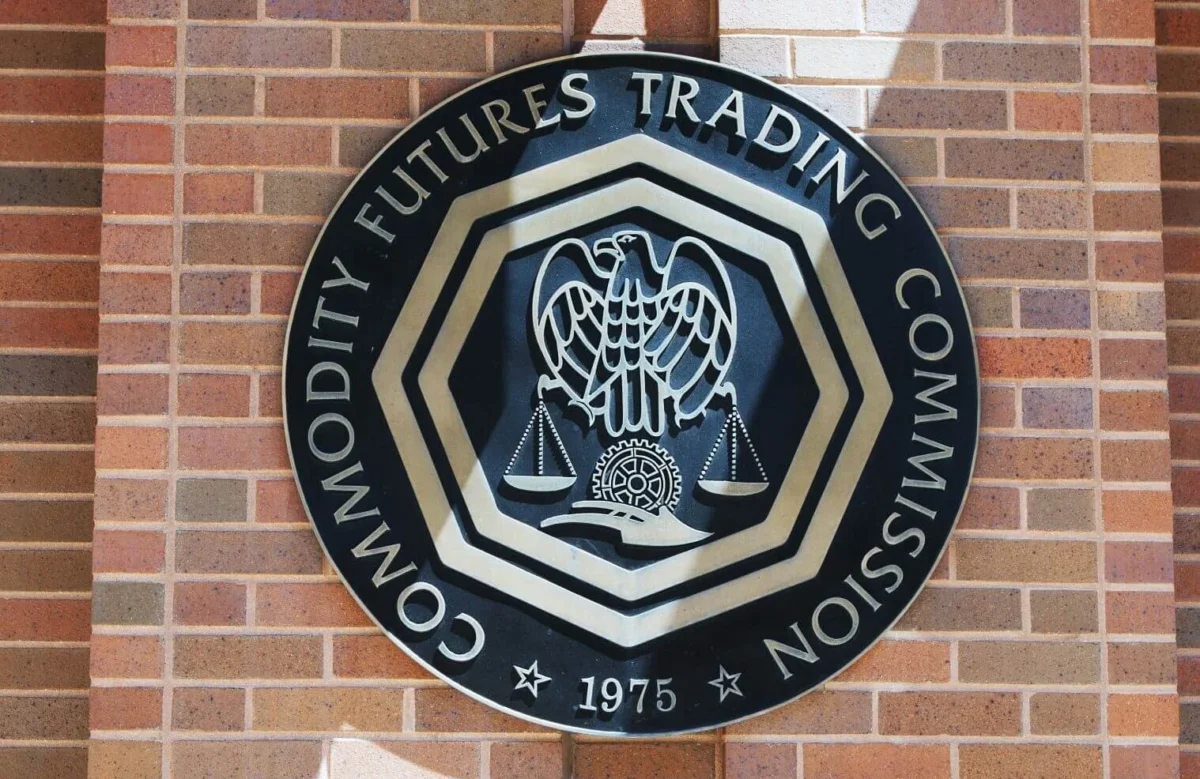
The US Commodity Futures Trading Commission has initiated an inquiry into multiple oil futures transactions executed immediately before significant policy declarations from the Trump administration regarding Iran military actions.
The investigation focuses on trading patterns across two major exchanges: the New York Mercantile Exchange operated by CME Group and the Intercontinental Exchange futures platform. Federal officials are examining at least two distinct episodes of unusual market activity occurring within a 14-day period.
The initial episode occurred on March 23. Oil futures volume increased dramatically approximately 15 minutes before President Trump made a public statement delaying proposed military operations targeting Iranian oil infrastructure.
The subsequent episode took place on April 7, when the administration announced a 14-day pause in hostilities with Iran. In the hours preceding that public statement, market participants established a roughly $950 million wager on crude oil pricing.
Both instances of elevated trading resulted in downward pressure on petroleum prices while equity markets moved higher. Authorities are now attempting to determine which entities executed these transactions.
The CFTC has formally requested “Tag 50” information from both exchanges. These records reveal the actual parties behind specific trades and are routinely employed in regulatory compliance and investigation processes. Intercontinental Exchange refused to provide comment, whereas CME Group stated it maintains ongoing cooperation with the CFTC regarding market surveillance activities.

Congressional Leaders Demand Investigation
CFTC Chairman Michael Selig testified before Congress on Thursday. While he avoided discussing the particular investigation, his remarks left no ambiguity about enforcement priorities.
“I want to be crystal clear: to anyone who engages in fraud, manipulation, or insider trading in any of our markets — we will find you, and you will face the full force of the law,” Selig said.
Senator Elizabeth Warren, a Massachusetts Democrat, characterized the investigation as merely an initial step and insisted regulators must expand their scope. She is demanding investigators specifically examine whether Trump administration personnel participated in unlawful trading activities.
The White House has issued internal guidance instructing staff members not to exploit their government access to trade in futures markets. No official response has been provided to Warren’s demands.
Brian Young, a partner at law firm Jones Day and former CFTC enforcement director, said the agency has strong motivation to act. “Prices at the pump closely correlate to oil futures contracts, so we’re talking about American pocketbooks at stake here,” he said.
Prediction Markets Face Similar Enforcement Action
The crude oil futures investigation is proceeding in parallel with a distinct but connected enforcement initiative targeting insider trading on prediction market platforms.
During late March, CFTC enforcement director David Miller publicly clarified that existing insider trading statutes extend to prediction markets, directly contradicting what he described as a common misconception.
Both Kalshi and Polymarket have implemented new policies prohibiting insider trading after facing demands from Democratic congressional members.
The Public Integrity in Financial Prediction Markets Act of 2026 was filed in late March. This legislation specifically addresses insider trading activities by government employees and officials on prediction market platforms.
The CFTC’s formal request for Tag 50 trader identification records from the exchanges represents the most substantive investigative action taken thus far in the oil futures matter.
Get 3 Free Stock Ebooks
Discover top-performing stocks in AI, Crypto, and Technology with expert analysis.
- Top 10 AI Stocks - Leading AI companies
- Top 10 Crypto Stocks - Blockchain leaders
- Top 10 Tech Stocks - Tech giants


