


Quick Summary
- Spot gold advanced 0.4% to reach $4,808.42/oz, maintaining position near four-week peak
- Dollar depreciation is enhancing gold’s appeal for international purchasers
- Washington and Tehran have reached preliminary agreement for additional diplomatic discussions
- Current ceasefire arrangement between the two nations expires April 21
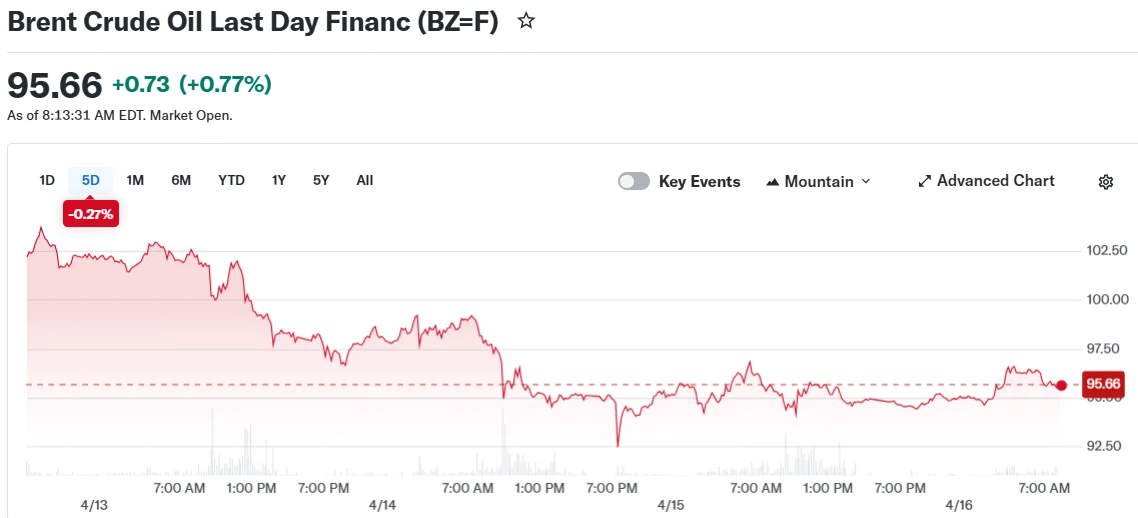
- Crude oil has settled under $100/barrel while staying significantly elevated versus pre-conflict prices
Precious metals experienced upward momentum Thursday, driven by a declining U.S. dollar and measured optimism surrounding diplomatic efforts between Washington and Tehran.
Spot gold appreciated 0.4% to reach $4,808.42 per ounce. Gold futures contracts increased 0.1% to $4,828.71 per ounce during early Thursday trading hours ET.
Additional precious metals followed suit with positive performance. Spot silver appreciated 0.6% to $79.41 per ounce, and spot platinum jumped 1.2% to $2,138.32 per ounce.
The rally occurred as gold maintained levels near the four-week peak established Wednesday. Expectations for sustained reduction in Middle Eastern tensions have alleviated certain inflation anxieties and strengthened general market confidence.
Diplomatic Negotiations with Iran
Washington and Tehran have reached preliminary consensus to convene additional negotiations, according to Wall Street Journal reporting. Initial diplomatic discussions occurred last weekend in Pakistan without yielding an immediate agreement.

Sources with knowledge of the situation informed the Journal that neither party has determined timing or venue for subsequent meetings. The existing ceasefire arrangement between both nations is scheduled to lapse April 21.
President Donald Trump also indicated Thursday that discussions between Israel and Lebanon are anticipated. Israeli authorities confirmed the conversations, although the Associated Press noted Lebanon stated it had received no notification.
Regional instability persists despite diplomatic efforts. Iran’s senior military official cautioned the United States against maintaining a naval embargo around Iranian harbors. U.S. Central Command reported no Iranian-affiliated vessels or petroleum carriers have breached the blockade.
Energy Markets and Monetary Policy Outlook
Oil prices have stabilized beneath the $100 per barrel threshold, though remaining substantially higher than pre-conflict valuations. Crude surged toward $120 per barrel following the outbreak of hostilities in late February, triggering global inflation anxieties.
These concerns generated increasing speculation that monetary authorities, including the Federal Reserve, could implement interest rate increases. Elevated rates typically diminish gold’s attractiveness, as the metal generates no income.
However, as diplomatic initiatives have advanced, expectations for rate hikes have moderated. Spot gold has accumulated 0.9% gains throughout the past week.
The U.S. dollar has also depreciated following its extended March run as a haven currency. Market participants had regarded America as protected from energy supply interruptions through the Strait of Hormuz, considering its position as a significant energy producer.
A weaker dollar generally reduces gold costs for purchasers utilizing alternative currencies, potentially bolstering demand. The subsequent round of Washington-Tehran discussions remains unscheduled, with the April 21 ceasefire termination date drawing closer.
Get 3 Free Stock Ebooks
Discover top-performing stocks in AI, Crypto, and Technology with expert analysis.
- Top 10 AI Stocks - Leading AI companies
- Top 10 Crypto Stocks - Blockchain leaders
- Top 10 Tech Stocks - Tech giants


