


TLDR
- Lululemon drops 3% as founder flags governance and brand issues
- Chip Wilson challenges board as LULU stock slides to $138 level
- CEO appointment sparks concern as Lululemon extends stock losses
- LULU falls amid criticism over strategy shift and brand dilution
- Board pressure mounts as Lululemon stock dips on weak sentiment
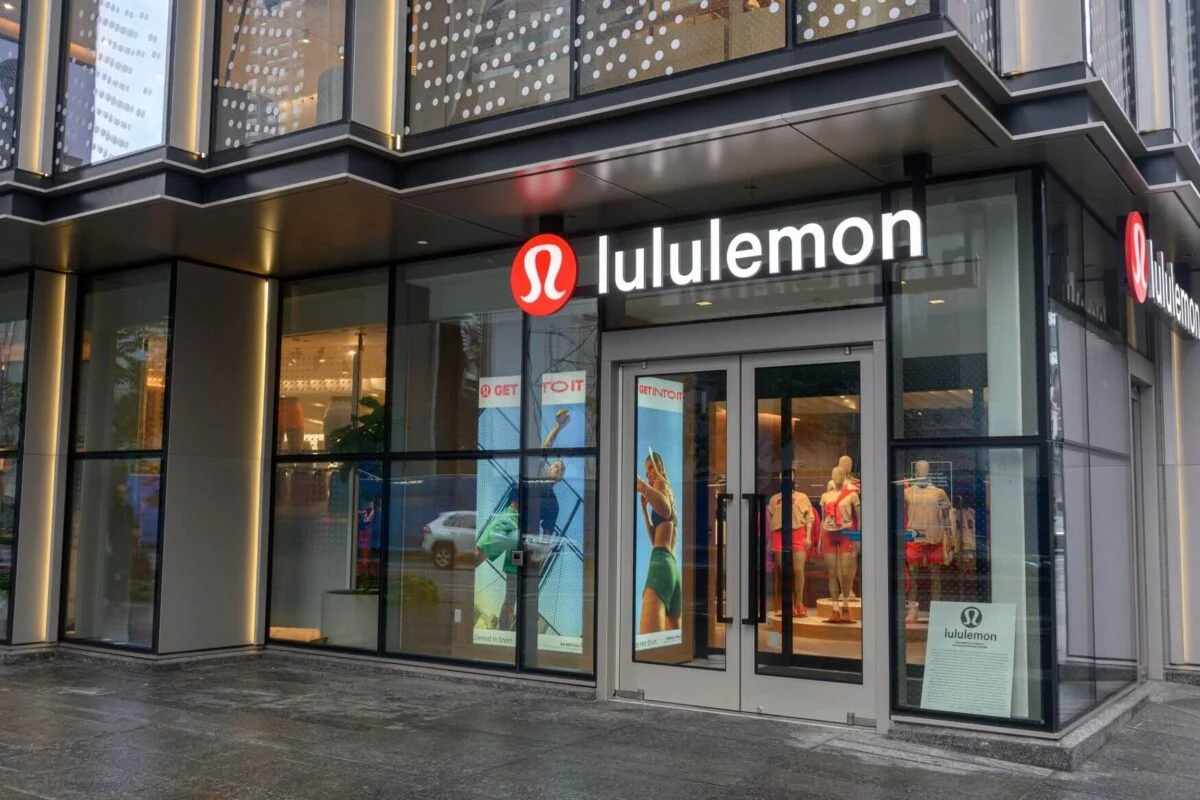
Lululemon (LULU) stock fell to $138.10, down 3.01%, after a sharp intraday selloff linked to governance concerns. The decline followed renewed criticism from founder Chip Wilson targeting board strategy and leadership decisions. The move extended bearish momentum from the $142 range as sentiment weakened further.
Lululemon Athletica Inc., LULU
Governance Pressure Intensifies at Lululemon
Chip Wilson escalated his campaign by urging shareholders to back three independent board nominees. He argued that the current board lacks expertise in premium brand management and product innovation. He stated that governance failures have eroded the company’s long-standing premium positioning.
Wilson linked recent strategic decisions to declining brand clarity and weakening consumer perception. He pointed to collaborations and product expansions that shifted focus toward mass-market appeal. These moves diluted the company’s core identity and reduced its competitive edge.
He also highlighted structural board issues, including overlapping networks and limited independence among directors. He emphasized that entrenched leadership prevents meaningful strategic change. As a result, governance concerns continue to weigh on long-term value recovery.

CEO Appointment and Strategy Draw Market Reaction
The board recently appointed Heidi O’Neill as the next CEO, drawing mixed market response. The appointment added uncertainty due to her background and delayed start timeline. The company faces ongoing operational pressure without immediate leadership transition.
Wilson criticized the hiring process, citing misalignment with the company’s need for product-driven leadership. He argued that the board failed to anticipate negative market reaction. Consequently, the announcement added further pressure on stock performance and sentiment.
The company also reported weak operational trends, including flat or declining same-store sales in key regions. Besides, expansion into new categories failed to deliver sustained growth momentum. Therefore, strategic execution remains a central concern for shareholders.
Long-Term Value Concerns and Shareholder Campaign
Wilson stated that shareholder value declined sharply over recent years due to strategic missteps. He emphasized that billions in market value have eroded under current board oversight. He warned that continued inaction could extend the downward trajectory.
He proposed board restructuring, including declassification and improved independence, to address governance gaps. He presented nominees with experience in brand building and global expansion. These changes aim to restore product focus and strengthen leadership accountability.
The ongoing proxy contest now centers on governance reform and strategic direction. The stock reaction reflects growing concerns around execution and leadership clarity. As a result, the outcome of the upcoming shareholder vote could shape the company’s next phase.
Get 3 Free Stock Ebooks
Discover top-performing stocks in AI, Crypto, and Technology with expert analysis.
- Top 10 AI Stocks - Leading AI companies
- Top 10 Crypto Stocks - Blockchain leaders
- Top 10 Tech Stocks - Tech giants


