


TLDR
- Micron stock falls to $490 after losing $500 support amid selling
- Breakdown below $500 signals a short-term bearish momentum shift
- AI demand keeps memory chips central to semiconductor growth
- Support near $490 holds as resistance forms around the $500 zone
- Memory market cycles continue shaping Micron’s valuation trends
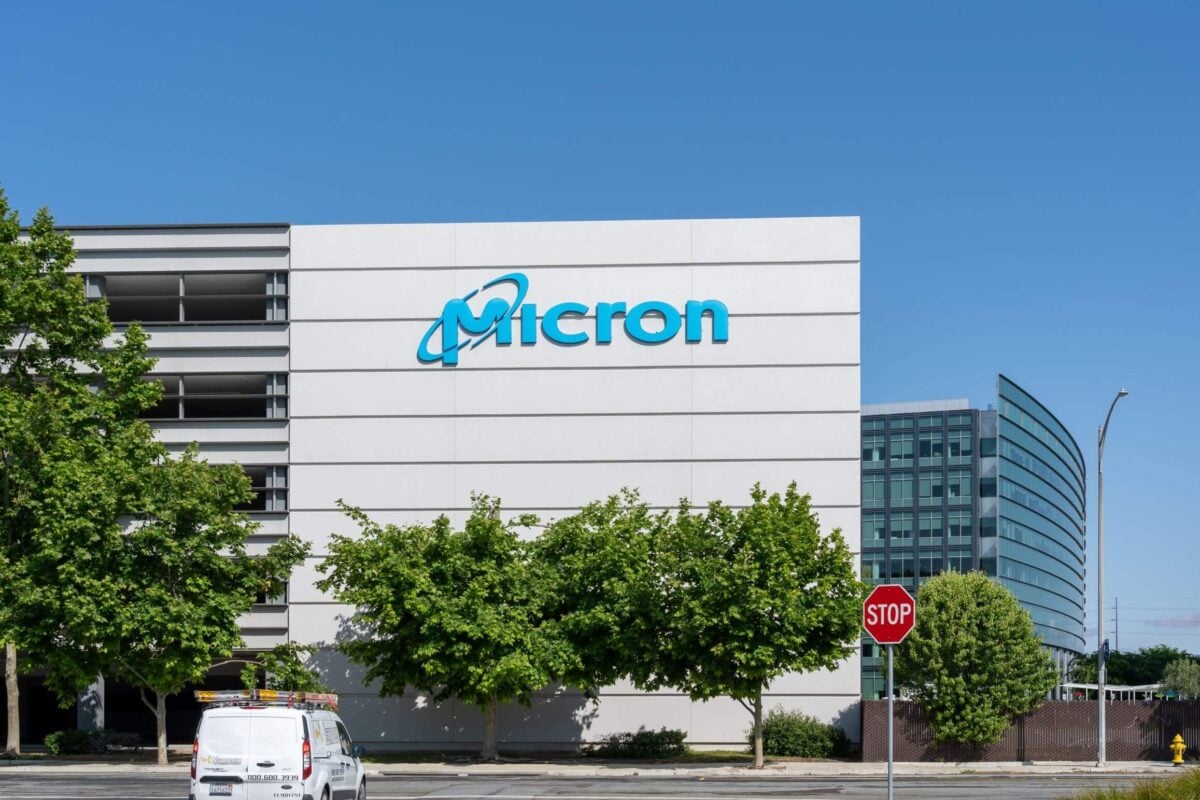
Micron Technology(MU) shares dropped to around $490 after breaking below the $500 level during active trading. The decline reflected a 6.2% intraday loss and confirmed short-term bearish pressure. The move placed focus on near-term support and resistance levels while the broader artificial intelligence theme remained intact.
Market Movement and Technical Levels
Micron Technology extended losses after failing to hold above the $500 psychological mark during the session. The stock moved lower toward $490, confirming sustained selling pressure across the trading period. This price action signaled weakening short-term momentum and a shift in near-term sentiment.
Support formed near the $490 region as the stock attempted to stabilize after the decline. However, the breakdown below $500 increased the risk of further downside toward the $485 zone. At the same time, any upward movement may face resistance between $498 and $505.
The technical structure reflected a clear rejection at higher levels and a transition into a lower trading range. As a result, price behavior remained sensitive to short-term demand shifts and broader market cues. The session highlighted how quickly sentiment can change after key levels break.
AI Demand and Memory Market Position
Micron Technology operates as a major supplier of memory and storage solutions used in advanced computing systems. Its portfolio includes DRAM and NAND products that support data-intensive workloads and cloud infrastructure. These components play a central role in artificial intelligence applications.

AI systems require high-bandwidth memory to process large datasets and maintain performance efficiency. As workloads expand, memory capacity and speed become critical for system functionality. This demand continues to support the importance of memory manufacturers in the semiconductor ecosystem.
Modern AI architectures rely on increased data throughput and storage integration across platforms. This shift expands the role of memory beyond traditional computing use cases. Consequently, memory providers remain essential to the broader evolution of AI-driven technologies.
Industry Context and Valuation Landscape
The semiconductor sector has experienced strong momentum due to sustained demand for AI-related infrastructure. Companies involved in computing and memory have benefited from increased deployment of advanced systems. This trend has shaped capital allocation across the industry.
Micron Technology trades within a segment often characterized by cyclical supply and demand patterns. Memory pricing historically fluctuates based on production levels and market consumption trends. These cycles influence revenue stability and valuation metrics over time.
The broader chip market continues to evolve as AI applications expand into new areas. System-level requirements now include both processing power and efficient data handling capabilities. This development reinforces the interconnected roles of different semiconductor components.
Get 3 Free Stock Ebooks
Discover top-performing stocks in AI, Crypto, and Technology with expert analysis.
- Top 10 AI Stocks - Leading AI companies
- Top 10 Crypto Stocks - Blockchain leaders
- Top 10 Tech Stocks - Tech giants


