


TLDRs
- Apple explores Intel as backup amid TSMC capacity pressure
- TSMC remains dominant in advanced Apple chip manufacturing
- AI-driven demand is tightening global chip production capacity
- Intel benefits from broader push to diversify semiconductor supply chains
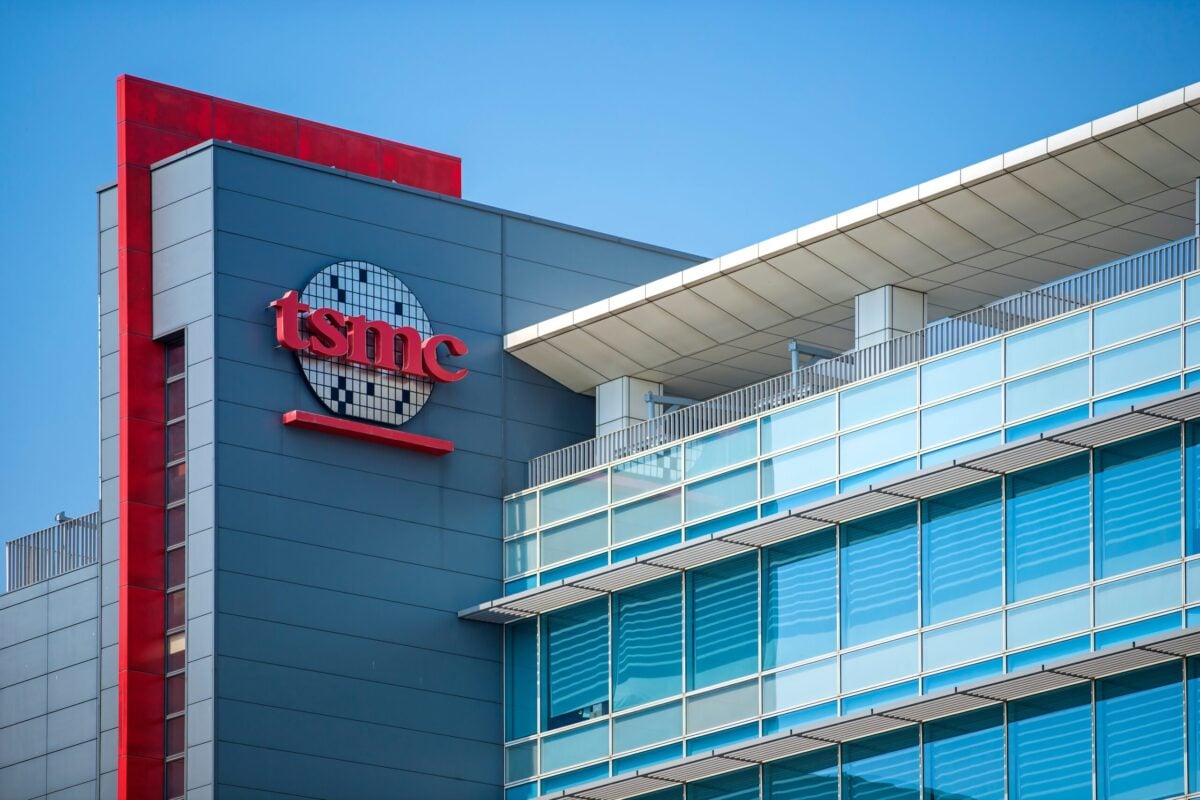
Taiwan Semiconductor Manufacturing Co. (TSMC) continues to reinforce its position as Apple’s primary and most critical chip manufacturing partner, even as Apple reportedly explores Intel as a potential secondary supplier for select chip production.
Despite growing industry attention on diversification, analysts say TSMC’s technological leadership in advanced chip fabrication still gives it a decisive edge in serving Apple’s most important product lines.
The development highlights a broader shift in the semiconductor industry, where surging artificial intelligence demand is reshaping supply chains, stretching production capacity, and prompting major tech firms to secure backup manufacturing options.
Taiwan Semiconductor Manufacturing Company Limited, TSM
TSMC holds production advantage
TSMC’s leadership in advanced chip production remains largely unchallenged, particularly in the fabrication of Apple’s A-series and M-series processors. These chips power iPhones, iPads, and Mac devices, requiring extreme precision, efficiency, and yield consistency that few manufacturers can match.
According to industry analysts, TSMC maintains a strong advantage in advanced packaging technologies, chip yields, and energy efficiency, factors that are essential for Apple’s high-performance silicon. Liu Pei-chen of the Taiwan Institute of Economic Research noted that these strengths continue to make TSMC the most reliable partner for Apple’s most advanced chip designs.

Even with Apple’s reported discussions involving Intel, experts argue the move does not indicate dissatisfaction with TSMC’s capabilities. Instead, it reflects broader supply chain pressures affecting the global semiconductor ecosystem.
AI boom strains global capacity
A major factor influencing Apple’s strategy is the rapidly increasing demand for AI-related chips. TSMC’s production capacity, particularly for 2-nanometer and 3-nanometer chips, is heavily booked, with lead times stretching from 52 to 104 weeks in some cases.
The AI boom is consuming a growing share of output. Reports suggest AI chips could account for nearly 60% of TSMC’s 3nm production in 2026, rising to as much as 86% by 2027. This shift leaves significantly less room for traditional consumer electronics clients like Apple.
The strain extends beyond chip fabrication into advanced packaging technologies such as TSMC’s CoWoS (Chip-on-Wafer-on-Substrate) processes. These facilities are also operating at full capacity, with waiting times extending over a year in some cases. The result is a structural bottleneck across the semiconductor supply chain.
Intel enters Apple supply conversation
Apple’s interest in Intel as a potential backup manufacturer reflects a broader industry trend of supply chain diversification rather than a direct challenge to TSMC’s dominance. A preliminary arrangement would mark a significant opportunity for Intel’s foundry business, which has been working to attract major external clients.
Intel previously missed out on producing Apple’s flagship A-series chips, making any renewed partnership strategically important. The potential collaboration signals Intel’s continued push to re-establish itself as a competitive foundry alternative in a market long dominated by TSMC.
Beyond Apple, other major technology players are also evaluating Intel’s manufacturing capabilities. Companies such as Google are reportedly reviewing Intel’s advanced packaging technologies, including EMIB (Embedded Multi-die Interconnect Bridge), while other firms are exploring future process nodes like Intel’s upcoming 14A technology for AI workloads.
Supply chain diversification accelerates
The semiconductor industry is increasingly moving toward geographic and supplier diversification as geopolitical risks and capacity constraints intensify. Major investments and partnerships reflect this shift, including Nvidia’s reported US$5 billion stake in Intel, which underscores growing interest in strengthening alternative chip manufacturing ecosystems.
While Apple’s engagement with Intel signals strategic caution, analysts emphasize that TSMC is unlikely to lose its central role in Apple’s supply chain in the near term. Its unmatched expertise in cutting-edge process technology and consistent production yields continues to position it as the backbone of Apple’s silicon strategy.
For now, Apple appears to be building optionality rather than replacing its primary partner. In a market defined by rapid AI-driven demand growth and tightening supply, securing multiple manufacturing pathways has become less of a choice and more of a necessity.
Get 3 Free Stock Ebooks
Discover top-performing stocks in AI, Crypto, and Technology with expert analysis.
- Top 10 AI Stocks - Leading AI companies
- Top 10 Crypto Stocks - Blockchain leaders
- Top 10 Tech Stocks - Tech giants


