


Key Takeaways
- Andrew Bailey, Governor of the Bank of England, anticipates significant friction with US authorities over international stablecoin regulations.
- The global stablecoin sector has surpassed $317 billion in value, predominantly collateralized by US Treasuries and dollar reserves.
- As chair of the Financial Stability Board, Bailey identifies stablecoins as a possible systemic risk to global finance.
- During financial turbulence, stablecoins lacking easy conversion mechanisms could surge into jurisdictions like Britain that enforce stricter redemption protocols.
- Senate Banking Committee lawmakers have set Thursday as the date for their stablecoin legislation markup.
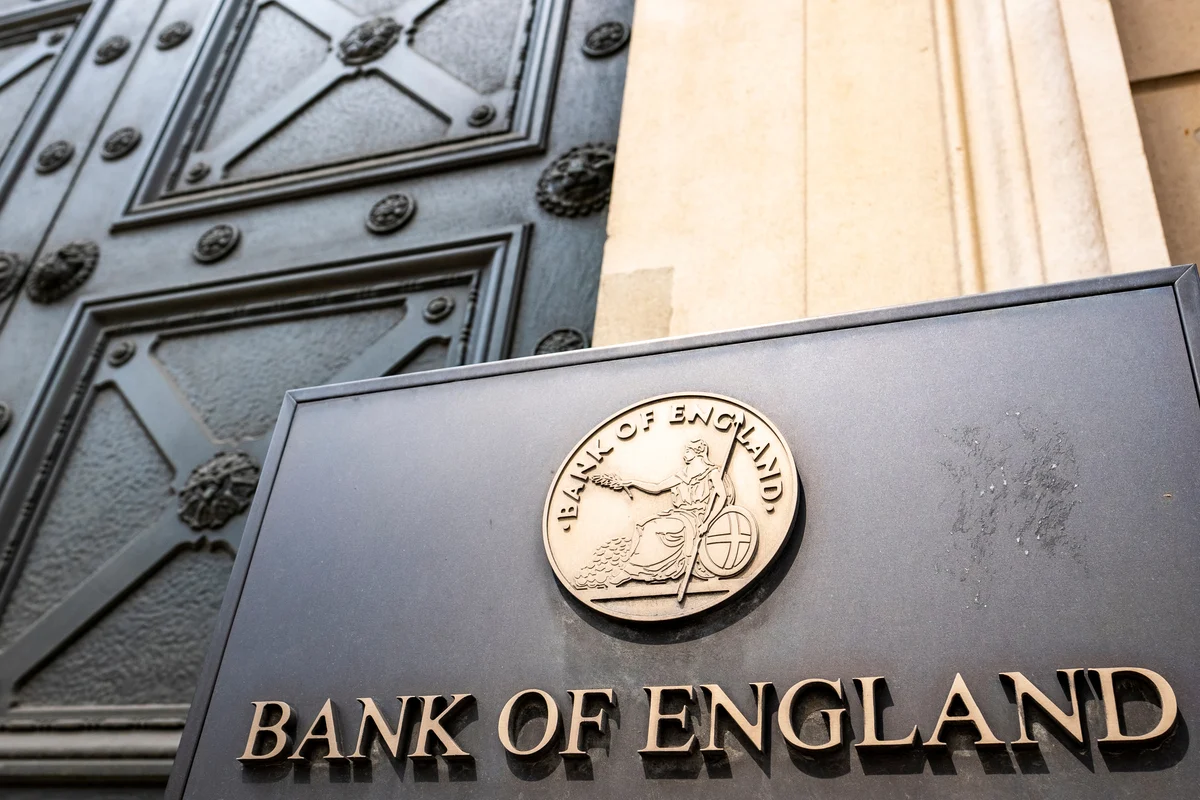
Andrew Bailey, who leads the Bank of England, issued a stark warning on Friday about looming regulatory tensions between international watchdogs and the United States concerning stablecoin oversight.
Speaking at a Bank of England conference focused on financial imbalances, Bailey emphasized that stablecoins can only function effectively as a worldwide payment mechanism if nations adopt unified regulatory frameworks — a goal he acknowledged will be difficult to achieve.
“For stablecoins to become part of the global payments infrastructure, we need international standards,” Bailey stated. “To be completely honest, I believe that’s going to involve a significant wrestle with the current administration.”
The Trump White House has positioned cryptocurrency advancement as a central policy objective. Officials have thrown their support behind the GENIUS Act, legislation that establishes regulatory guardrails for stablecoin providers while positioning these digital assets as instruments for expanding dollar dominance worldwide.
Bailey’s perspective differs sharply. Throughout his tenure, he has maintained a cautious stance toward cryptocurrencies. Leading the Financial Stability Board — an international organization that harmonizes financial oversight across borders — he views the stablecoin phenomenon through a risk management lens.
According to CoinGecko data, the stablecoin marketplace now exceeds $317 billion in total capitalization. The dominant players maintain dollar pegs and hold reserves consisting primarily of US government securities and cash equivalents.
Redemption Rights Under Stress
Bailey highlighted a particular vulnerability that emerges during periods of market stress. Certain American stablecoins, he noted, lack direct redemption mechanisms that bypass cryptocurrency exchanges. This design flaw becomes critical when financial systems face pressure and trading platforms become inaccessible or capacity-constrained.

He cautioned that as stablecoins gain traction for international transactions, users holding tokens with limited conversion options may attempt to shift them toward nations with more robust redemption guarantees — such as the United Kingdom.
“If a stablecoin run occurs, we know exactly where they’ll end up — here,” Bailey remarked.
British regulators are developing comprehensive legal frameworks mandating strong stablecoin convertibility standards, potentially making the UK an attractive refuge for stablecoin holders seeking liquidity during international crises.
Congressional Action Pending
Across the Atlantic, the Senate Banking Committee has confirmed Thursday as the scheduled date for marking up its stablecoin legislation. Committee members had previously delayed voting on the measure in January.
The current draft prohibits stablecoin issuers from paying yields on dormant holdings but permits cryptocurrency platforms to provide alternative incentive structures. American banking industry representatives had advocated for completely blocking third-party platforms from offering any returns on stablecoin deposits, though extensive negotiations between banking and crypto interests failed to produce consensus.
Should the legislation advance, it would establish clearer legal pathways for stablecoin operators within American borders — an outcome the Trump administration actively seeks.
Bailey’s remarks arrive as regulatory bodies across multiple jurisdictions examine enhanced supervision of stablecoins, perceiving them as loosely regulated alternatives to traditional banking that could introduce systemic vulnerabilities.
The philosophical divide between American regulatory philosophy and that of other leading economies suggests that forging unified global standards will demand substantial diplomatic effort — or, as Bailey characterized it, a wrestle.
Get 3 Free Stock Ebooks
Discover top-performing stocks in AI, Crypto, and Technology with expert analysis.
- Top 10 AI Stocks - Leading AI companies
- Top 10 Crypto Stocks - Blockchain leaders
- Top 10 Tech Stocks - Tech giants


