


Key Takeaways
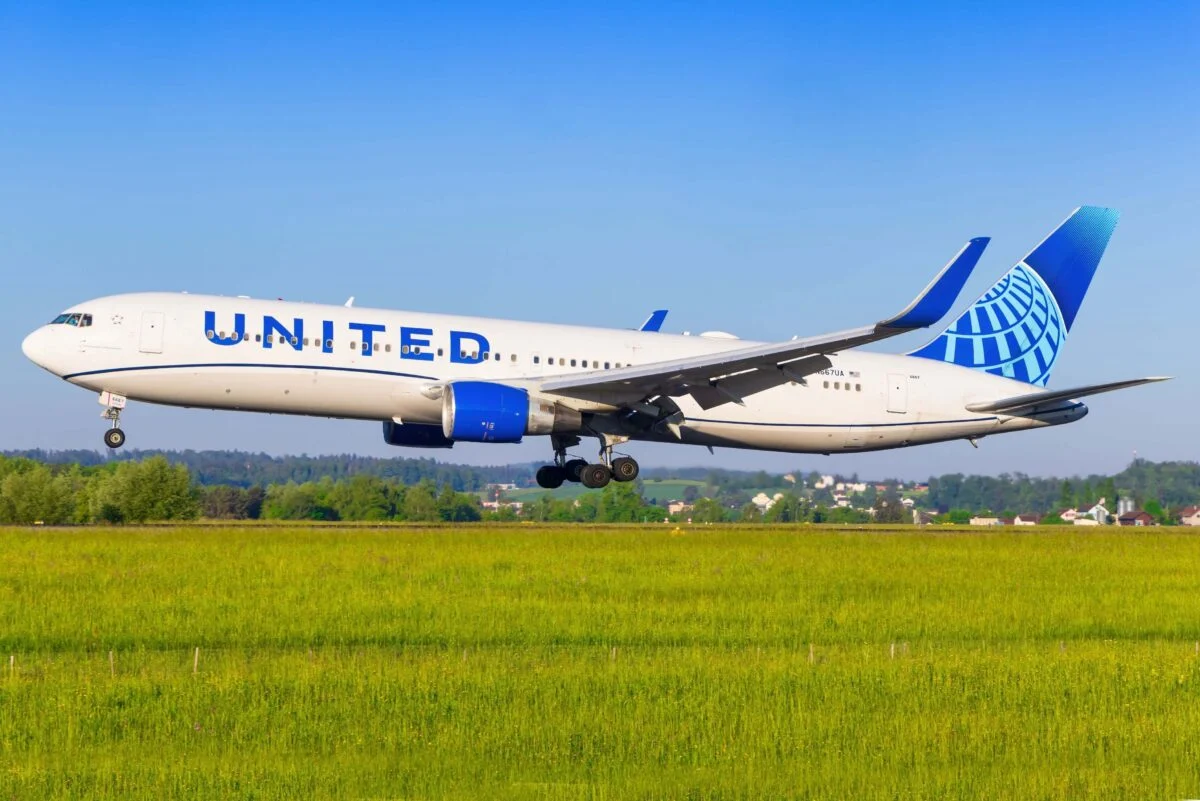
- Scott Kirby, CEO of United Airlines, proposed a merger with American Airlines during a White House meeting with President Trump in late February.
- American Airlines (AAL) shares surged more than 4% in premarket trading, while United Airlines (UAL) gained approximately 2%.
- The February 25 meeting was initially convened to address matters concerning Dulles airport.
- The proposed combination would create the nation’s largest airline, eclipsing Delta in size.
- Experts in antitrust law and industry observers believe securing regulatory clearance would face significant challenges.
During a White House discussion with President Trump on February 25, United Airlines CEO Scott Kirby floated the possibility of a merger with American Airlines, according to two individuals familiar with the matter who spoke to Reuters. Bloomberg independently confirmed the development.
The session was initially intended to address plans for Dulles airport. However, Kirby leveraged the closing moments of the meeting to introduce the merger proposal.
United Airlines Holdings, Inc., UAL
American Airlines (AAL) stock skyrocketed over 4% during early premarket trading on Tuesday. United Airlines (UAL) shares increased by roughly 2%.
Both carriers have refrained from confirming the reports. Representatives from United and American declined to provide comment, while the White House did not respond to inquiries.

Kirby’s rationale centered on creating a more formidable competitor in global markets. He highlighted that foreign carriers control two-thirds of long-haul routes serving U.S. destinations, despite American citizens comprising 60% of passengers on these flights.
Significant Regulatory Obstacles Expected
While investors responded positively, the route to completing such a transaction remains highly uncertain. Industry insiders indicate that securing approval would prove extremely challenging, with anticipated resistance from labor unions, competing airlines, congressional representatives, and airport authorities.
Seth Bloom, an antitrust attorney, suggested the proposal would encounter substantial regulatory resistance even during the Trump administration. “The administration has emphasized its commitment to issues impacting consumer costs, and this consolidation would enhance airline pricing leverage,” Bloom explained.
A source with White House connections also voiced doubt, highlighting worries about market competition and fare increases in advance of the November midterm elections.
Earlier this month, U.S. Transportation Secretary Sean Duffy acknowledged potential opportunities for industry consolidation but cautioned that any transaction would undergo rigorous examination.
American’s Balance Sheet Challenges
American currently holds approximately $25 billion in long-term obligations, exceeding its major competitors. The company’s market capitalization stands at roughly $7 billion, significantly below United’s $31 billion and Delta’s $44 billion valuations.
The carrier faces mounting pressure to boost profitability following criticism from its pilots’ union regarding subpar performance. “We have consistently voiced our apprehensions about American’s financial results, operational execution, and customer satisfaction metrics,” stated Dennis Tajer, representing American’s pilots’ union.
United and American rank as the globe’s two largest carriers measured by available seat capacity, based on 2025 OAG statistics. Each operates fleets exceeding 1,000 aircraft.
Such a combination would represent the most substantial consolidation in the U.S. aviation sector in more than ten years. The domestic airline landscape is currently controlled by four major players — American, Delta, United, and Southwest — each commanding approximately 17% of passenger traffic.
Kirby previously held the position of president at American from 2013 through 2016, although he has historically expressed reservations about pursuing major acquisitions.
Whether United has formally approached American or if any active discussions are taking place remains undisclosed.
Get 3 Free Stock Ebooks
Discover top-performing stocks in AI, Crypto, and Technology with expert analysis.
- Top 10 AI Stocks - Leading AI companies
- Top 10 Crypto Stocks - Blockchain leaders
- Top 10 Tech Stocks - Tech giants


