


TLDRs;
- The FCC has blocked new device approvals tied to Huawei, ZTE, and other Chinese tech giants.
- New rules extend to testing and certification bodies, tightening control over telecom supply chains.
- Millions of Chinese devices have already been removed from US online stores amid growing scrutiny.
- The regulations mark a long-term shift toward stricter national security-driven tech oversight.
The United States has intensified its long-running crackdown on Chinese technology companies, with the Federal Communications Commission (FCC) introducing sweeping new rules to limit the presence of Chinese telecom equipment in the country.
The decision, finalized on October 27, 2025, marks a significant escalation in Washington’s efforts to secure its telecommunications infrastructure amid deepening concerns over Beijing’s influence.
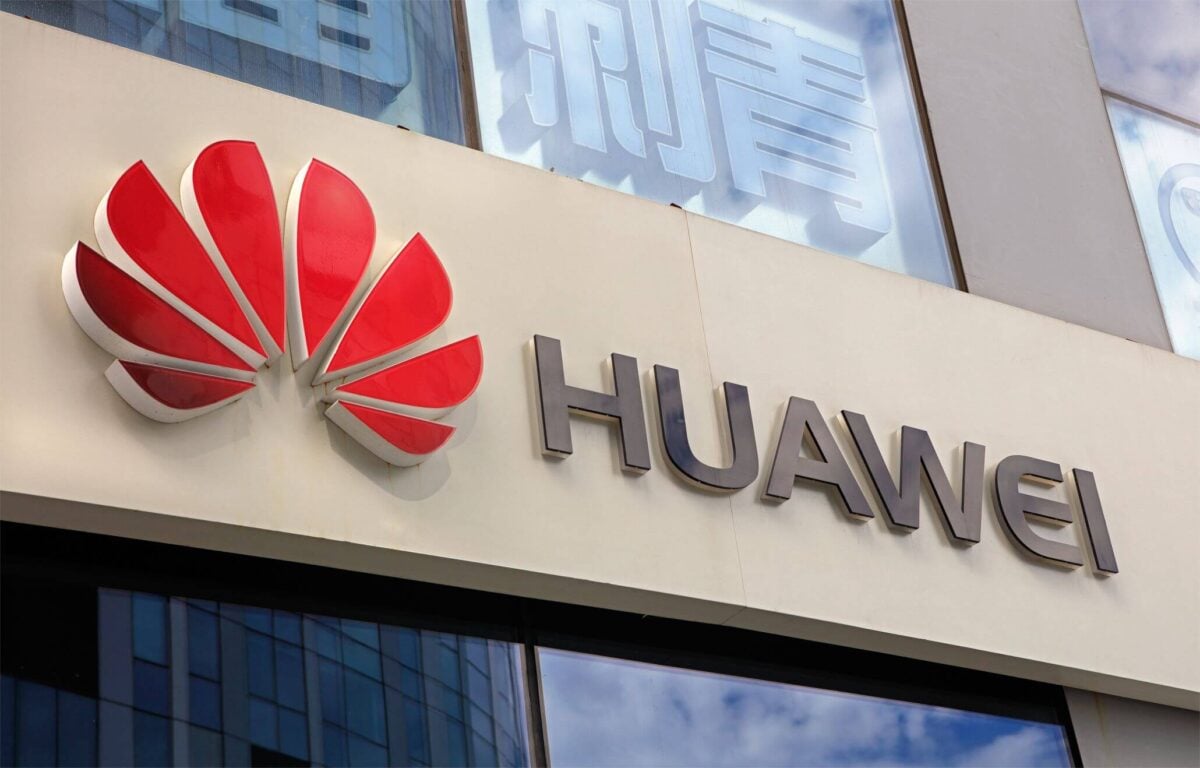
In a unanimous vote, the FCC moved to block new approvals for devices containing components from companies on its “Covered List.” The list includes some of China’s largest technology and telecommunications players including Huawei Technologies, ZTE Corp, China Mobile, and China Telecom, all of which the agency has identified as posing national security threats.
Under the new framework, the FCC also reserves the right to revoke or suspend prior approvals for equipment already cleared for use, a sharp departure from past policy that primarily targeted future sales.
Expanded Scope Hits Global Supply Chains
While previous actions largely focused on banning specific products, the 2025 Report and Order released in August takes aim at the entire certification and authorization ecosystem supporting those products. This includes Telecommunication Certification Bodies (TCBs), testing laboratories, and accreditation bodies that work with prohibited entities.
Any organization holding 10% or more equity or voting interest from a restricted company will now be excluded from participating in FCC certification programs. Even minor links must be reported within strict timeframes.

“The FCC is closing the back doors that allowed risky equipment into our networks,” said FCC Chairwoman Jessica Rosenworcel in a statement following the vote. “These rules ensure that certification and testing cannot be compromised by foreign interests.”
The new measures are expected to ripple through the global supply chain, affecting both American and international vendors who rely on third-party certification from labs with Chinese ties.
Online Retailers and Electronics Pulled
Earlier in October, the FCC reported that millions of Chinese electronic devices, including home security cameras, routers, and smartwatches, had been removed from major US e-commerce platforms.
The purge targeted unapproved or non-compliant devices produced by Huawei, Hikvision, ZTE, Dahua Technology, and other firms already facing trade restrictions.
Industry analysts say the move signals an attempt to address a growing “gray market” of imported smart devices that often bypass formal certification channels. For consumers, this could mean fewer low-cost alternatives, while for businesses, the regulatory environment now requires more stringent compliance checks.
Compliance Burden Grows for Tech Firms
The FCC estimates that the new compliance regime will affect approximately 706 recognized entities, including domestic labs and certification providers. Each must now certify within 30 days that they are not owned or influenced by a prohibited entity and report any ownership changes within 90 days.
While the aggregate annual compliance costs are projected to remain under $800,000, the administrative complexity of tracking relationships across multiple global supply chains could be significant. This has opened opportunities for specialized compliance software providers and legal advisory firms to help companies navigate the new rules.
“This is not just a ban on hardware, it’s a governance overhaul,” said one Washington-based telecom policy expert. “The FCC is forcing transparency deep into the supply chain, which will permanently change how telecom equipment is sourced and certified in the US.”
Get 3 Free Stock Ebooks
Discover top-performing stocks in AI, Crypto, and Technology with expert analysis.
- Top 10 AI Stocks - Leading AI companies
- Top 10 Crypto Stocks - Blockchain leaders
- Top 10 Tech Stocks - Tech giants


