


Key Takeaways
- Chinese President Xi Jinping assured Trump via written correspondence that Beijing is not providing weapons to Tehran
- Trump previously warned of imposing 50% tariffs on nations supplying arms to Iran
- Despite Trump’s declaration of “permanently opening” the Strait of Hormuz, maritime traffic continues significantly below pre-crisis levels
- The diplomatic correspondence precedes a scheduled Trump-Xi meeting in Beijing set for May 14-15
- American forces have implemented a comprehensive naval blockade, completely stopping all maritime commerce with Iran
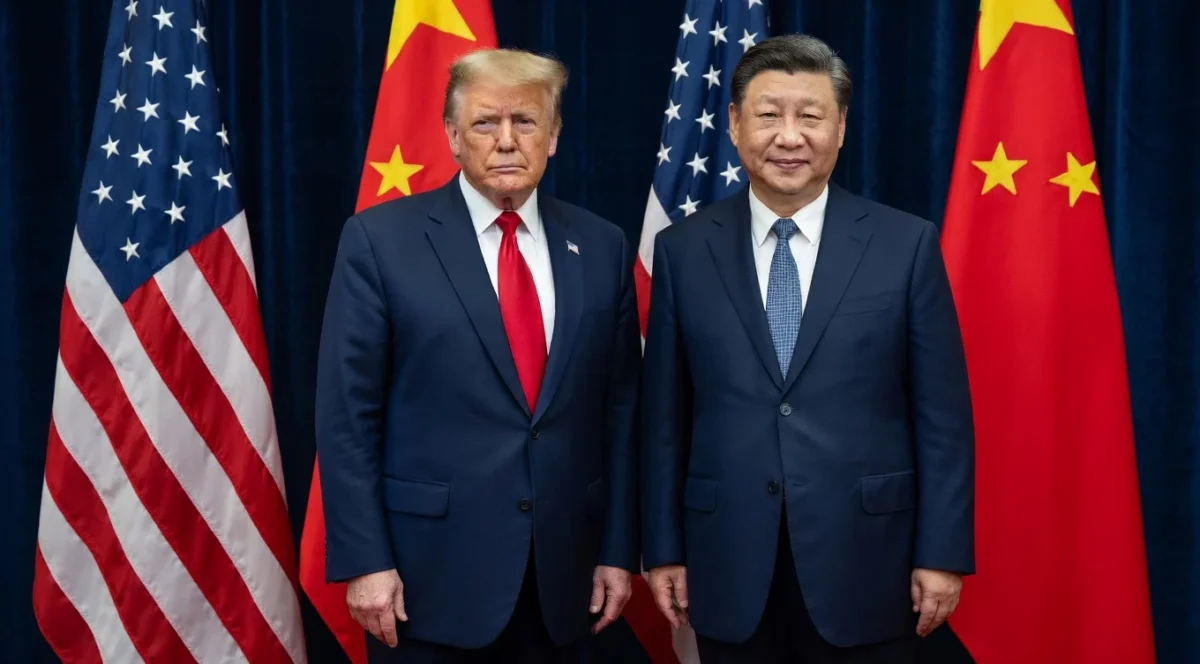
During a Fox Business interview broadcast on Wednesday, Trump disclosed that he and Chinese leader Xi Jinping recently corresponded regarding allegations that China has been transferring military equipment to Iran.
According to Trump, he initiated the correspondence after receiving intelligence suggesting China was providing armaments to Iran. Xi’s response categorically denied these allegations.
“I sent him correspondence requesting he refrain from that activity, and his response essentially stated he’s not engaged in such actions,” Trump explained during his appearance on Fox Business’s Mornings with Maria program. The segment was recorded Tuesday.
Trump had earlier announced potential 50% import duties on merchandise from any nation providing military support to Iran. This warning has particular relevance for China, given its status as one of Iran’s primary economic allies.
While Beijing doesn’t openly transfer military hardware to Iran, it does provide technology with both civilian and military applications, which has generated alarm among Washington officials.
Persian Gulf Waterway Crisis Continues
This diplomatic exchange follows extended disruptions affecting the [[LINK_START_0]]Strait of Hormuz[[LINK_END_0]]. Approximately 45 days ago, Iran’s Revolutionary Guards announced the waterway’s closure, eliminating roughly one-fifth of worldwide petroleum and liquefied natural gas transport.

Although a 14-day truce is currently active, vessel movements through this critical passage remain substantially depressed. Daily transits represent only a small portion of the 130-plus crossings recorded before hostilities erupted.
In a Truth Social post Wednesday, Trump declared he is “permanently opening” the Strait of Hormuz and noted China is “very happy” with this development. White House officials have not provided additional context for this announcement.
As Iran’s principal petroleum customer, China faces significant economic consequences from the strait’s disruption, alongside broader global market impacts.
American Naval Blockade Implemented
US military forces have established a comprehensive blockade around Iranian maritime facilities. Military officials announced Wednesday that this blockade has entirely eliminated seaborne commercial activity to and from Iran.
Diplomatic negotiations between Washington and Tehran concluded last weekend without producing an agreement. Trump indicated these discussions might restart within days.
Scheduled Chinese Capital Visit
The written communications occur in advance of Trump’s scheduled Beijing trip on May 14-15 for discussions with Xi. Trump stated that American actions regarding Iran and Venezuela wouldn’t impact the planned meeting.
“I don’t believe it will. After all, he requires petroleum. We don’t,” Trump remarked.
Xi broke his silence on the Iranian situation Tuesday, informing Spanish Prime Minister Pedro Sánchez that “the international order is crumbling into disarray.”
Beijing has urged all involved parties to exercise restraint. Recent economic data released Tuesday revealed China’s export expansion decelerating considerably during March.
Get 3 Free Stock Ebooks
Discover top-performing stocks in AI, Crypto, and Technology with expert analysis.
- Top 10 AI Stocks - Leading AI companies
- Top 10 Crypto Stocks - Blockchain leaders
- Top 10 Tech Stocks - Tech giants


