


TLDR
- President Trump disclosed correspondence with Xi Jinping regarding alleged Chinese arms shipments to Tehran; Xi denied the allegations
- A 50% tariff threat looms over any nation providing weapons to Iran
- Despite Trump’s claims of “permanently opening” the Strait of Hormuz, vessel traffic continues significantly below pre-crisis levels
- The correspondence occurs weeks before the scheduled Trump-Xi meeting in Beijing on May 14-15
- American forces have implemented a complete naval blockade of Iranian ports, stopping all maritime commerce
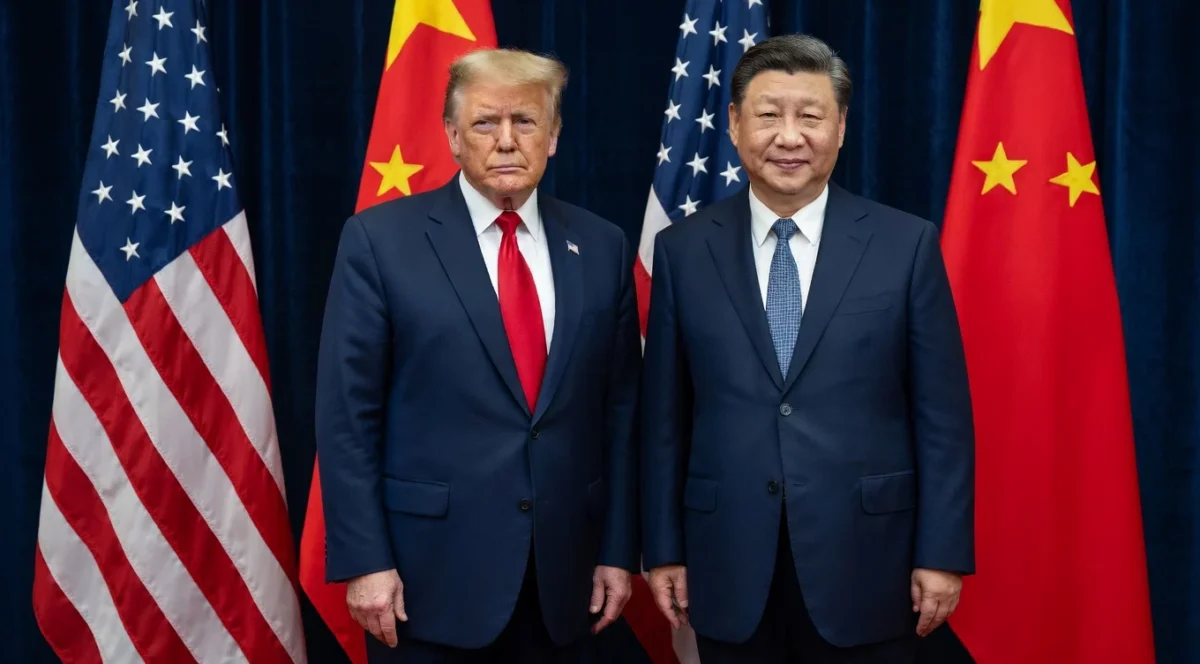
President Trump disclosed a diplomatic exchange of letters with Chinese President Xi Jinping concerning allegations of Chinese weapons deliveries to Iran during a Fox Business interview broadcast on Wednesday.
The president explained that he initiated the correspondence after intelligence reports suggested China might be transferring weapons to the Islamic Republic. Xi responded by denying such activities.
“I reached out to him in writing requesting he refrain from such actions, and his written response essentially confirmed that China is not engaged in that,” Trump stated during his appearance on Fox Business’s Mornings with Maria program. The conversation was recorded on Tuesday.
The president had earlier warned of imposing a 50% tariff on imports from any nation that provides military equipment to Iran. This warning carries particular weight for China, given its status as one of Tehran’s primary economic allies.
While Beijing refrains from direct military hardware shipments to Iran, it does provide dual-use technology, a practice that has generated alarm in Washington.
Strait of Hormuz Disruption
This diplomatic correspondence follows several weeks of severe disruption affecting the Strait of Hormuz. Iran’s Revolutionary Guards announced the waterway’s closure approximately 45 days ago, eliminating roughly 20% of worldwide oil and liquefied natural gas transport.
Although a two-week ceasefire is currently active, maritime traffic through the critical passage remains dramatically reduced. Daily vessel crossings represent only a small fraction of the 130-plus transits recorded before hostilities commenced.

On Wednesday, Trump announced via Truth Social that he is “permanently opening” the Strait of Hormuz and that Beijing is “very happy” with this development. White House officials have not provided additional context for this declaration.
As the primary purchaser of Iranian crude oil, China faces economic consequences from the strait’s closure alongside global energy markets.
US Blockade of Iran
The United States has implemented a comprehensive blockade of Iranian ports. Military officials announced Wednesday that the operation has successfully stopped all maritime trade entering or leaving Iran.
Diplomatic negotiations between Washington and Tehran concluded over the weekend without reaching any settlement. Trump indicated these discussions might reconvene this week.
Upcoming Beijing Summit
This letter exchange precedes Trump’s scheduled journey to Beijing on May 14-15 for discussions with Xi. The president stated that recent US actions regarding Iran and Venezuela would not impact the planned meeting.
“I don’t believe it will. He’s someone who requires oil. We don’t,” Trump remarked.
Xi offered his first public remarks on the Iran situation on Tuesday, informing Spanish Prime Minister Pedro Sánchez that “the international order is crumbling into disarray.”
Beijing has urged all involved parties to exercise restraint. New economic data released Tuesday revealed China’s export growth experiencing a sharp deceleration in March.
Get 3 Free Stock Ebooks
Discover top-performing stocks in AI, Crypto, and Technology with expert analysis.
- Top 10 AI Stocks - Leading AI companies
- Top 10 Crypto Stocks - Blockchain leaders
- Top 10 Tech Stocks - Tech giants


