


Key Takeaways
- Brent crude surpassed $111 per barrel while WTI approached $106, marking a 12% weekly increase
- Prices have climbed over 25% in the last fortnight as the Strait of Hormuz blockade persists
- Iran’s Supreme Leader pledged continued control over the strait while defending nuclear capabilities
- ConocoPhillips forecast “critical shortages” for nations relying on imports beginning in June
- American crude shipments reached unprecedented volumes as international markets seek alternative sources
Global energy markets witnessed another surge in oil valuations on Friday as the standoff between Washington and Tehran stretched into its third month, with no resolution in sight for the closure of a critical maritime chokepoint.
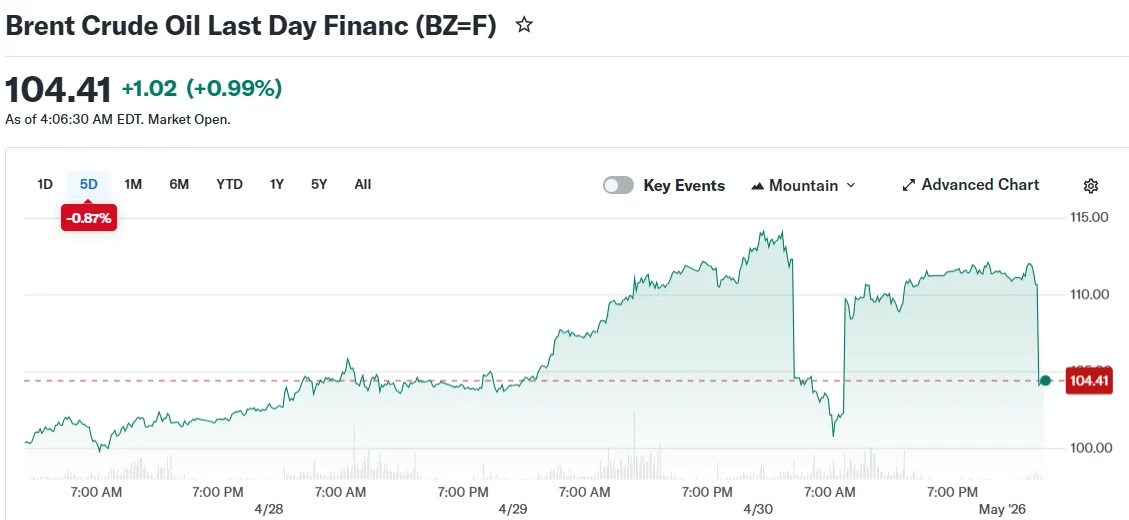
Brent crude futures for July delivery climbed beyond $111 per barrel, while West Texas Intermediate approached $106. The benchmarks registered approximately 12% gains for the week and have climbed more than 25% across the past fourteen days.
The Strait of Hormuz, a waterway that previously handled approximately one-fifth of global petroleum shipments before hostilities erupted, continues to operate under severe restrictions. This disruption has triggered volatility across international energy exchanges and generated significant price fluctuations in recent trading sessions.
President Donald Trump affirmed that American naval forces would maintain their blockade of Iranian maritime facilities. While he previously expressed optimism that economic leverage might bring Tehran to the negotiating table, diplomatic discussions have reached an impasse.
Supreme Leader Mojtaba Khamenei broke his usual silence Thursday with a public declaration that Iran would neither abandon its atomic energy program nor dismantle its ballistic missile capabilities. He further emphasized Tehran’s determination to retain authority over the Strait of Hormuz.

The pronouncement offered little encouragement for those hoping to see tensions ease in the immediate future. Although a ceasefire agreement between Washington and Tehran technically holds, meaningful diplomatic advancement has been scarce.
Impending Supply Crisis
ConocoPhillips CFO Andy O’Brien cautioned financial analysts Thursday that certain nations might confront “critical shortages” of petroleum products within weeks.
He noted that vessels which departed Persian Gulf terminals in late February have now completed their voyages and discharged their cargoes. With this temporary cushion exhausted, import-dependent economies may experience severe supply constraints imminently.
“We are going to start to see some import-dependent countries potentially start to face critical shortages as we get into the June-July time frame,” O’Brien said.
Thursday also brought reports that Trump administration officials are evaluating additional military responses, ranging from forcible reopening of the strait to expanded military strikes against Iranian installations, or even covert operations to confiscate Iranian enriched uranium stockpiles.
Physical Market Dynamics Shift
Market observers at ANZ highlighted that the differential between futures oil prices and actual physical crude values has begun to compress. This convergence signals that genuine supply constraints are materializing in spot markets for the first time since the crisis commenced.
American petroleum exports established new records last week as international purchasers increasingly relied on U.S. producers to compensate for unavailable Middle Eastern supplies.
Japan’s senior currency authority announced readiness to enter crude oil futures markets, where speculative activity has influenced the yen’s valuation. Japanese monetary officials intervened in foreign exchange markets Thursday to support their currency, triggering the sharpest decline in the Bloomberg Dollar Spot Index since January.
Trading activity remained subdued across Asian exchanges Friday, with major economies including China, Germany, and France observing Labor Day holidays.
Brent’s June futures contract settled Thursday after touching a four-year peak exceeding $126 per barrel.
Get 3 Free Stock Ebooks
Discover top-performing stocks in AI, Crypto, and Technology with expert analysis.
- Top 10 AI Stocks - Leading AI companies
- Top 10 Crypto Stocks - Blockchain leaders
- Top 10 Tech Stocks - Tech giants


