


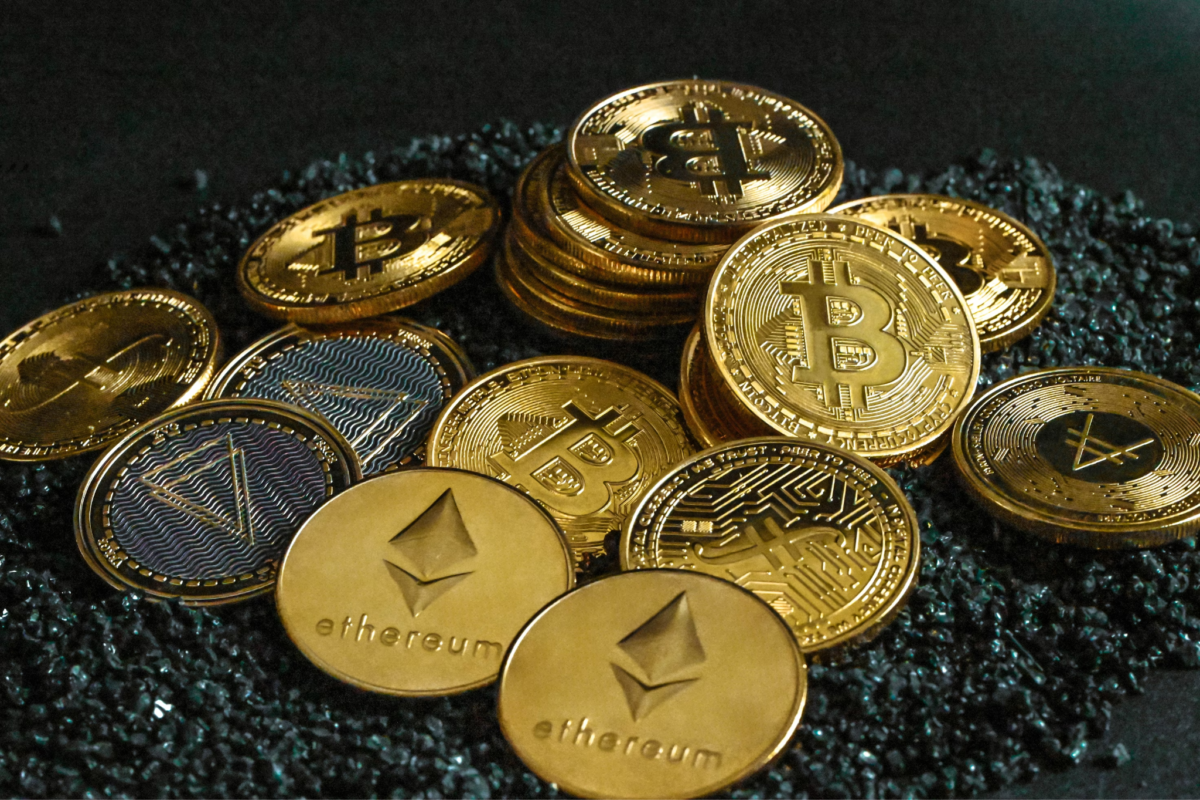
The explosion of online sportsbooks has already pulled fan culture into a data-driven era, yet a second revolution runs in parallel. Cryptocurrencies now settle deposits and withdrawals with a speed that echoes the real-time rhythm of play, creating a friction-free loop between bankroll management and live action. Where once credit-card processors inserted delays, blockchain arrivals clear in minutes or even seconds matching the tempo that bettors expect.
Early adopters admired crypto for anonymity and low fees, but the breakthrough arrived when mainstream operators embraced the rails. Platforms such as Tooniebet route deposits through multiple tokens, display micro-converted odds in the chosen denomination, and sync cash-out options to on-chain confirmations. The monetary layer disappears behind an interface that feels as immediate as the next corner kick or face-off, making digital coins feel purpose-built for sports wagering.
Shared DNA of Two Rapid-Fire Industries
Both sports betting and crypto trading value speed, transparent math, and relentless market movement. A price chart that refreshes every second resembles an in-play odds screen; both compress vast information into a single changing number. That symmetry explains why bettors familiar with crypto volatility gravitate toward live markets, and why sportsbooks see higher turnover once token gateways go live.
Quick-Hit Benefits That Convinced Operators
- Borderless Reach: Blockchain rails ignore geography, allowing fans in regions with strict banking rules to engage without currency conversion headaches.
- Lower Transaction Cost: Gas-efficient networks reduce the slice lost to intermediaries, leaving more capital available for wagers.
- Round-the-Clock Settlement: No banking holidays interrupt a payout request, aligning perfectly with global sporting calendars.
- Programmable Rewards: Smart contracts automate free-bet drops or loyalty tiers, replacing manual coupon codes with tamper-proof logic.
The blend of these perks reshapes marketing as well. Affiliate partners now lure communities by announcing token-back rebates instead of dollars, tapping crypto’s culture of yield hunting. Social channels that once discussed parlays alone now debate which network offers the lowest transfer fee before tonight’s slate of games.
Regulatory Crossroads and Compliance Layers
Authorities initially approached tokenized betting with caution, concerned about money laundering and consumer safety. The sector responded by integrating know-your-customer modules that link wallet addresses to verified identities. Blockchain analysis firms track suspicious flow patterns, writing reports similar to traditional sportsbook integrity audits. Compliance no longer relies on paper statements; hash explorers and analytics dashboards create an immutable trail of every entry and exit.
The NBA provides a useful case study: league partners permit official odds feeds only to operators that meet combined criteria for financial transparency and game integrity. Crypto-friendly books seeking a license must now pass the same background checks as fiat-only rivals, proving that token acceptance can coexist with strict oversight.

New Product Layers Built on Tokens
Between major tournaments, sportsbooks hunt for fresh engagement hooks. Tokens supply raw material for experiments that traditional payment rails cannot match. Think non-fungible tickets that bundle seat access with an automatic bet on the home team, or fan-issued governance coins that let holders vote on weekly odds boosts.
An interim deep dive illustrates momentum. After a large crypto exchange sponsored a preseason hockey series, match broadcasts flashed QR codes linking straight to a “deposit-and-free-play” pool funded on-chain. Conversion rates eclipsed previous e-mail campaigns, revealing that crypto wallets act as near-frictionless marketing funnels.
Emerging Use Cases Worth Watching
- Micro-Parlay Pools: Smart contracts aggregate tiny stakes from thousands of wallets, distributing winnings without manual reconciliation.
- Instant NFT Cash-out: Gamblers mint proof-of-win tokens that double as tradable memorabilia, merging speculation with fandom.
- Cross-Sport Liquidity: Bridging protocols move balances from a Saturday soccer wager into Sunday gridiron props with no fiat stopover.
- Yield-Bearing Treasury: Idle bankroll segments sit in decentralized finance vaults until kickoff, earning passive returns that blunt variance.
These experiments still need user-friendly polishing, yet the learning curve continues to flatten. Tutorials once reserved for hardcore traders now appear inside sportsbook help centers, complete with animated hints that explain gas fees in under twenty words.
Responsible Play in a Token Economy
Rapid deposits can tempt reckless volume, so operators weave velocity checkpoints into cashier flows. A pop-up requests a brief pause after a certain number of wagers, and loss-limit smart contracts halt transfers until a cooling-off threshold expires. Blockchain turns those promises into publicly auditable code, reinforcing accountability better than emailed receipts ever did.
Education campaigns emphasise that decentralised does not mean lawless. Bettors are reminded to store keys securely, verify contract addresses, and consult tax guidelines on crypto gains. Brands that champion these tutorials cultivate trust, recognising that sustainable turnover beats short-term spikes.
Looking Ahead: Toward Seamless, Invisible Payments
If current momentum holds, future bettors may not even notice the payment layer. Wallets will live inside biometric-secured devices; blockchain confirmations invisible under a sleek UX. Odds panels will default to native token display, yet a click will reveal equivalent values in local fiat for clarity. Regulators will scan the same public ledgers as compliance teams, shrinking investigation cycles from weeks to minutes.
Sports wagering thrives on immediacy and data-driven storytelling, and crypto delivers both in monetary form. When the puck drops or the whistle blows, digital coins move with equal velocity, proving why the partnership feels less like an add-on and more like the next logical step in the evolution of fan engagement.
Get 3 Free Stock Ebooks
Discover top-performing stocks in AI, Crypto, and Technology with expert analysis.
- Top 10 AI Stocks - Leading AI companies
- Top 10 Crypto Stocks - Blockchain leaders
- Top 10 Tech Stocks - Tech giants


