


TLDRs
- GameStop launches $56B unsolicited bid for eBay using cash and stock mix
- CEO Ryan Cohen threatens proxy fight if eBay board rejects proposal
- Deal highlights unusual case of smaller firm targeting larger acquisition
- Strong cash reserves and fundraising fuel GameStop’s aggressive expansion push
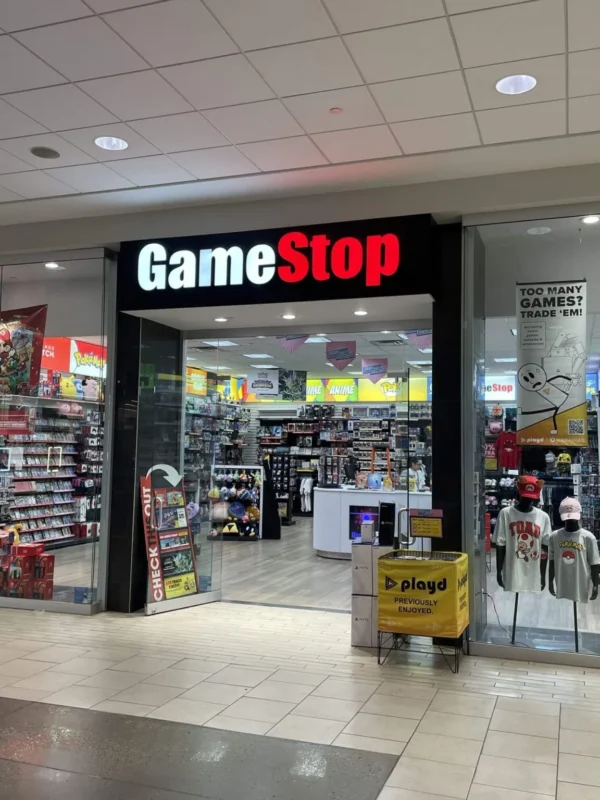
GameStop has stunned markets with an unsolicited $56 billion takeover proposal for eBay, marking one of the most unusual acquisition attempts in recent corporate history.
The bid, announced on May 3, positions the video game retailer as an unexpected contender in large-scale tech and e-commerce consolidation. Led by CEO Ryan Cohen, the offer immediately raised questions about valuation, financing structure, and the likelihood of a board-level confrontation.
Unsolicited $56B Offer
GameStop confirmed it has proposed to acquire eBay in a deal valued at approximately $56 billion. The offer values eBay at $125 per share, structured through a mix of cash and stock. According to the company, this represents a premium of roughly 20% over eBay’s recent closing price, signaling an aggressive attempt to win shareholder attention.
The proposal was described as unsolicited, meaning it was made without prior agreement or negotiation with eBay’s board.
Cohen’s Strategic Vision
CEO Ryan Cohen framed the potential merger as a cost-saving and earnings-enhancing combination. He argued that integrating GameStop’s cash-heavy balance sheet with eBay’s global marketplace infrastructure could unlock operational efficiencies.

Cohen also indicated that if the board rejects the proposal, GameStop may bypass management entirely and appeal directly to shareholders, escalating the situation into a potential proxy battle for control.
David vs Goliath Deal
The scale of the bid has drawn attention across Wall Street due to the size mismatch between the two companies. GameStop carries a market value of roughly $12 billion, while eBay is valued at about $46 billion, making the acquirer significantly smaller than its target.
Despite this, GameStop’s strong cash position, built through fundraising and capital raises, has enabled it to consider transactions far beyond its traditional scope.
Proxy Fight Risk Rises
The possibility of a proxy fight now looms large. Cohen has already built a notable stake in eBay and signaled readiness to challenge the board if necessary. A proxy fight would involve persuading shareholders to vote in favor of the takeover, bypassing resistance from eBay’s leadership.
This approach is rare, especially when the bidder is smaller than the target company, and highlights a more activist stance from GameStop’s leadership.
Cash War Chest Advantage
GameStop’s ability to mount such a large offer is underpinned by its strengthened liquidity position. The company has accumulated approximately $9 billion in cash and marketable securities as of its latest quarter.
Much of this capital was raised through financial markets, including convertible notes worth $4.2 billion. While retail sales have softened, operational restructuring helped the company swing from a loss of $26.2 million in fiscal 2024 to an operating income of $232.1 million in fiscal 2025.
Market Implications Grow
The proposal could have broader implications for corporate governance and M&A dynamics. Analysts note that it signals how well-capitalized smaller firms could increasingly pursue larger acquisition targets, especially in sectors where balance sheets matter more than revenue size.
If GameStop proceeds to a shareholder vote, it may set a precedent for future activist-led takeover attempts in public markets.
Get 3 Free Stock Ebooks
Discover top-performing stocks in AI, Crypto, and Technology with expert analysis.
- Top 10 AI Stocks - Leading AI companies
- Top 10 Crypto Stocks - Blockchain leaders
- Top 10 Tech Stocks - Tech giants


