


TLDR
- Shares of Exxon and Chevron plunged more than 3.5% following a steep decline in crude oil prices driven by diplomatic optimism
- Brent crude tumbled over 10% to approximately $97.97 per barrel, breaking below the $100 threshold
- West Texas Intermediate plummeted more than 11% to roughly $90.35 per barrel
- President Trump suspended “Project Freedom” military operations in the Strait of Hormuz, highlighting “great progress” in diplomatic discussions
- Major European energy firms also suffered significant losses, with BP plunging over 5% and Shell sliding 4.5%
Energy sector stocks experienced substantial losses on Wednesday following President Donald Trump’s declaration that he would temporarily halt a U.S. military operation in the strategically critical Strait of Hormuz, citing advancing peace negotiations with Iran.
In a late Tuesday evening post on Truth Social, Trump revealed he was suspending “Project Freedom,” a military initiative designed to ensure free passage through the strait. He indicated the suspension would extend for a “short period” while diplomatic efforts with Tehran advanced.
The statement triggered a dramatic selloff in oil prices. Brent crude plummeted more than 10% to approximately $97.97 per barrel, falling beneath the psychologically significant $100 level. West Texas Intermediate collapsed over 11% to $90.35 per barrel.
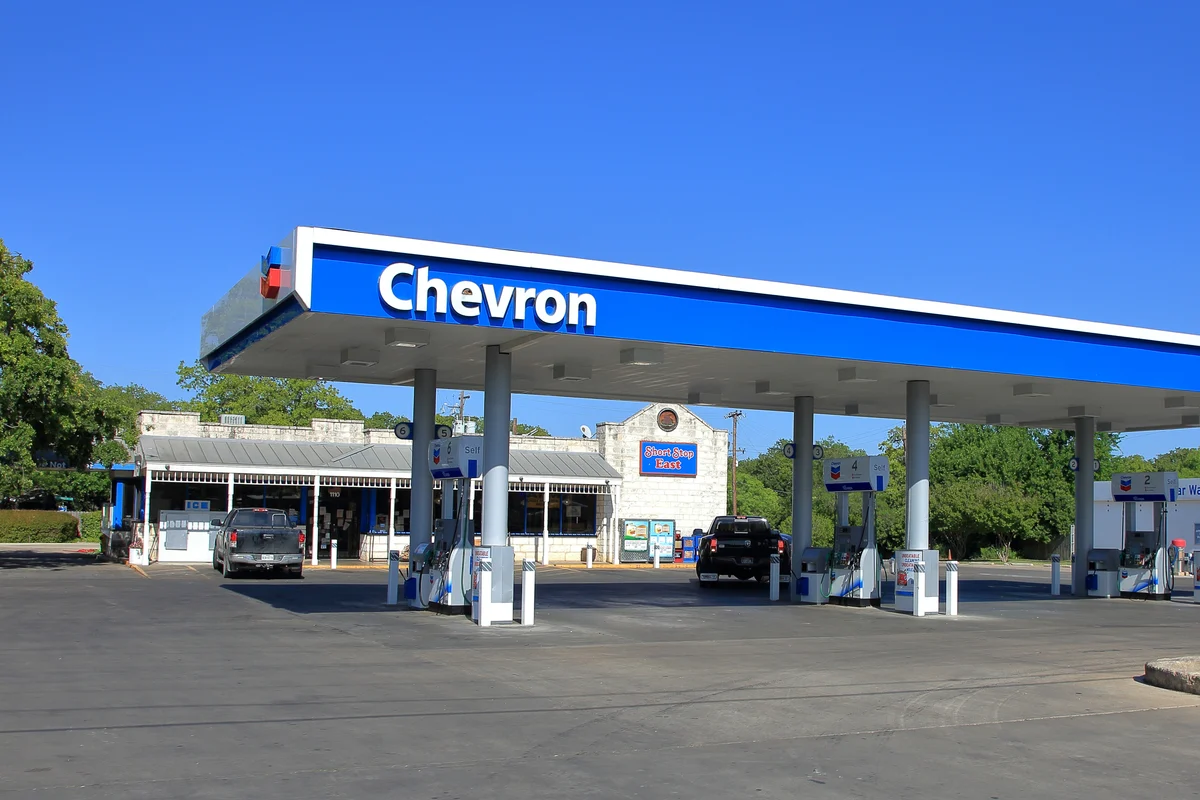
Exxon Mobil shares tumbled approximately 3.6% during early market hours. Chevron declined about 3.3%. Both stocks ranked among the most severely impacted in the American energy sector.

Additional U.S. oil producers experienced comparable declines. Occidental Petroleum topped premarket losses with a 7.6% plunge. Marathon Petroleum decreased 6.3%, ConocoPhillips retreated 5.4%, Devon Energy sank 5.7%, and Diamondback Energy fell 4.5%.
Occidental simultaneously released its quarterly results on Wednesday. The corporation reported a substantial increase in adjusted earnings, though overall net sales missed Wall Street projections for the first quarter.
APA declined 4.6% during the session. Meanwhile, the broader S&P 500 index advanced 0.8%, as diminishing geopolitical tensions boosted sentiment across other market sectors.
European Energy Giants Suffered Similar Losses
The downturn extended beyond American markets. Major European energy corporations experienced comparable declines.
In London trading, BP dropped more than 5% to 542.2p. Shell retreated 4.5% to 3,165.5p. France’s TotalEnergies declined 5.4% to €75.07 during Paris trading.
According to Axios reporting, the Trump administration believed it was approaching an agreement on a one-page memorandum of understanding with Iran that could resolve the Middle East conflict. The report cited two U.S. officials and two additional sources with knowledge of the negotiations.
What Caused the Crude Oil Collapse
The fundamental driver behind the price collapse was the potential for reduced tensions across the Gulf region. A successful peace agreement with Iran would significantly diminish the threat of supply interruptions through the Strait of Hormuz, a critical chokepoint for international oil transportation.
Trump emphasized in his announcement that the existing blockade would “remain in full force and effect” throughout the suspension period.
In April, Iran temporarily reopened the Strait of Hormuz before shutting it down again after Washington declined to lift its blockade of Iranian ports.
As of Wednesday morning, diplomatic discussions between U.S. and Iranian officials continued, with no conclusive agreement yet reached.
Get 3 Free Stock Ebooks
Discover top-performing stocks in AI, Crypto, and Technology with expert analysis.
- Top 10 AI Stocks - Leading AI companies
- Top 10 Crypto Stocks - Blockchain leaders
- Top 10 Tech Stocks - Tech giants


