


Key Findings
- Three in five Brazilian adults intend to wager through digital channels during the 2026 FIFA World Cup
- Over one-quarter of study participants carry existing financial obligations prior to tournament commencement
- Those with outstanding debt demonstrate 1.6 times greater likelihood to participate in wagering activities
- Seven out of ten young adults aged 18-24 intend to engage with betting services throughout the matches
- Nearly one-third of participants regard wagering as a viable revenue stream
Recent research conducted jointly by Creditas and Opinion Box has uncovered that three in five Brazilians plan to bet through online channels throughout the 2026 FIFA World Cup tournament. The investigation surveyed 561 working adults during a seven-day period spanning April 15 through April 22, 2026.
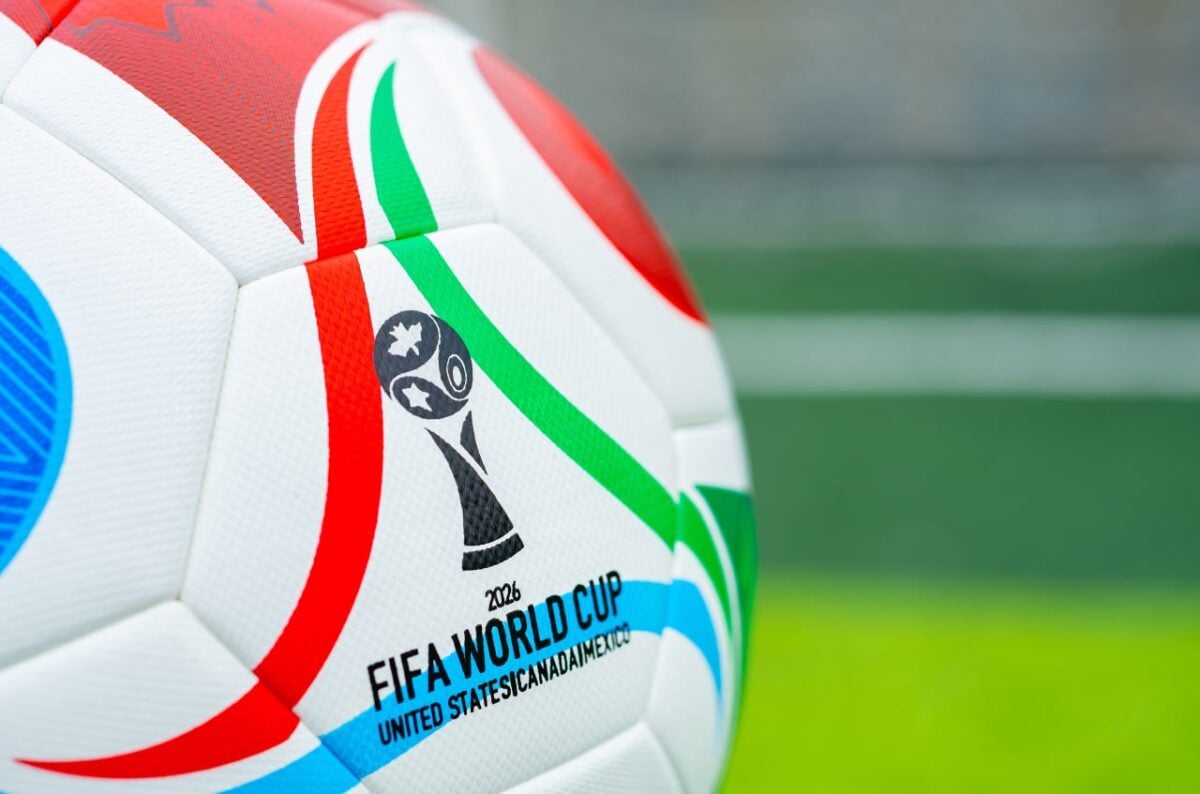
The upcoming World Cup tournament will unfold across three North American nations: the United States, Mexico, and Canada. Opening ceremonies commence June 11 at Mexico City’s historic Estadio Azteca.
The comprehensive study, labeled “Finance Scoreboard: How Football Affects the Finances of Brazilians,” delivers extensive insight into the tournament’s anticipated influence on domestic financial planning throughout Brazil.
The research indicates that 26% of participants currently manage outstanding financial obligations before tournament kickoff. Additionally, 47% anticipate their household expenditures will climb during the competition period.
Financial Obligations Strongly Correlate with Gambling Participation
The study uncovered a significant correlation between outstanding debt and wagering participation. Data shows that 79% of debt-carrying Brazilians intend to place wagers throughout the World Cup period. By contrast, only 48% of financially unencumbered respondents plan similar activity.
This disparity means those managing debt are approximately 1.6 times more inclined toward gambling compared to their debt-free counterparts. Financial analysts have expressed concern over this emerging trend.

Among respondents willing to incur additional financial obligations for tournament enjoyment, 36% referenced the event’s infrequency. They rationalized that with the World Cup occurring just once every four years, borrowing seemed justifiable.
Younger demographics displayed heightened spending intentions. An overwhelming 89% of younger participants anticipated additional tournament-related expenditures.
Within the 18-24 demographic specifically, 70% plan to engage with betting platforms or organized pools. This figure exceeds the 56% recorded across all age groups surveyed.
The investigation also disclosed that 25 million Brazilian CPF identification numbers have been registered for betting purposes. Each CPF averages at least four separate betting accounts, driving the national total beyond 100 million active accounts.
One-Third View Wagering as Revenue Generation
Perhaps the study’s most alarming revelation shows 30% of participants consider wagering a supplementary income mechanism. Within this subset, 31% plan to allocate anticipated gambling returns toward World Cup-related costs.
An additional 15% indicated intentions to apply any winnings toward existing debt repayment.
Guilherme Casagrande, who serves as financial educator at Creditas, warned against this approach. He characterized it as “very dangerous to consider betting as a source of additional income.” He further noted that Brazil led all nations in wagering expenditure throughout 2024.
The perception of betting as income generation proves particularly prevalent among younger participants and those managing debt, reaching 48% and 44% respectively.
Casagrande observed that individuals facing financial challenges frequently discount risk factors. He explained that bettors commonly rationalize that wagers might succeed, and failure merely compounds existing obligations.
Felipe Schepers, serving as COO for Opinion Box, provided additional perspective. He noted that many gamblers convince themselves they haven’t actually spent money on World Cup activities, when their winnings merely financed those same expenses.
The research determined that 74% of participants plan tournament-related spending. Among this group, 80% acknowledged their expenditures would likely occur impulsively without advance planning.
Food and beverage purchases represent the dominant expense category at 51%. Licensed merchandise purchases account for 23%, while private viewing gatherings comprise 20%.
Merely 26% of participants indicated zero plans for World Cup-connected spending. The tournament schedule extends from June 11 through July 19, 2026.
Get 3 Free Stock Ebooks
Discover top-performing stocks in AI, Crypto, and Technology with expert analysis.
- Top 10 AI Stocks - Leading AI companies
- Top 10 Crypto Stocks - Blockchain leaders
- Top 10 Tech Stocks - Tech giants


