


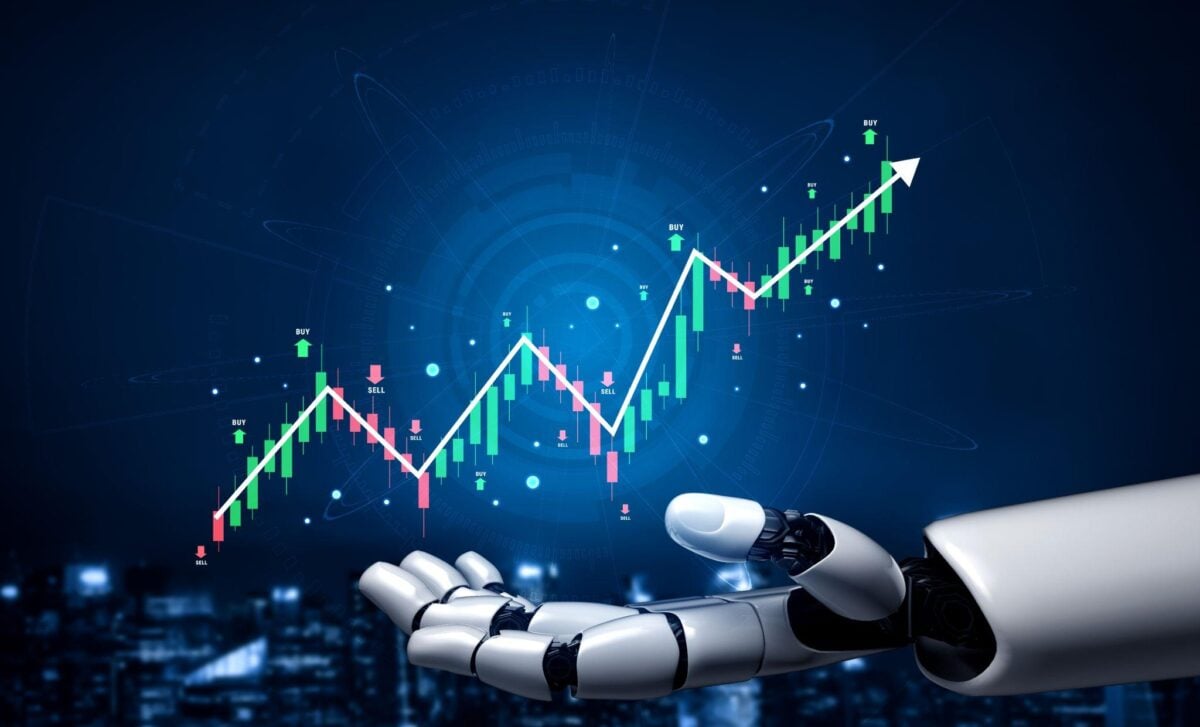
AI vs Human Instinct in Crypto Markets
AI has become a fast lens for reading crypto markets, helping traders scan sentiment, on-chain flows, volatility, and breaking headlines in seconds. In a market that can move on an ETF rumor, a whale transfer, a token unlock, or a sudden X post, that speed matters. However, even as machine analysis gets sharper, crypto still moves on trust, fear, hype, and timing, which means human judgment remains hard to replace.
What AI Actually Does Well in Crypto
AI is strongest when the market throws off too much information for one trader to process quickly. It can sort on-chain data, which tracks wallet activity and token flows, flag sudden changes in volatility, and group related headlines so traders can see what is moving attention.
That matters in crypto because the market never really sleeps. When Bitcoin spikes after ETF news or a token starts seeing unusual exchange inflows, AI tools can surface the signal faster than manual research. For chart-focused users, these tools can sit alongside price action to compare momentum with sentiment and volume in real time.
For traders combining AI-driven signals with technical analysis, platforms like Tradingview Singapore are often used to monitor momentum, volume, and key support or resistance levels alongside sentiment data. This allows traders to compare machine-generated insights with real-time chart behavior before reacting to sudden market moves.
Why Crypto Still Breaks Clean Machine Logic
Crypto is unusually sensitive to narrative. A founder interview, an exchange rumor, or one viral post on X can change market mood before the data fully reflects it.
That is where AI often struggles. Models are good at identifying patterns after they begin, but they are less reliable when a move is driven by belief, distrust, or a meme that suddenly captures retail attention. A token can look technically weak, then rip higher because the crowd decides the story is back.

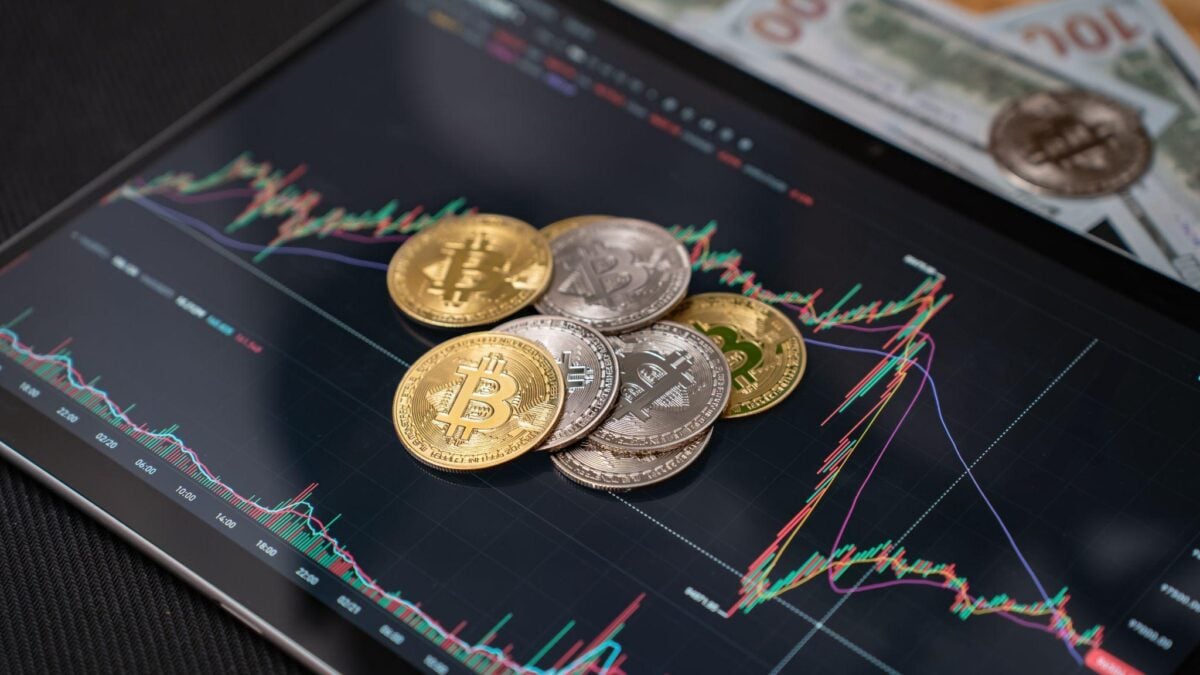
Human Instinct Is Usually Context, Not Guesswork
In trading, instinct is often misunderstood as emotion. In practice, it is usually pattern recognition built over time: noticing when a pump feels stretched, when liquidity looks thin, or when a breakout is pulling in late buyers instead of fresh conviction.
Experienced traders often use that judgment to avoid crowded entries or to cut risk when the tone turns unstable after a catalyst. They may not predict the exact move, but they can sense when the market is behaving in a way that the clean data alone does not fully explain.
More Data Does Not Always Mean Better Decisions
One common mistake is assuming that more dashboards create more certainty. In reality, too many signals can make traders slower, more reactive, or overly confident in a setup that has weak context behind it.
Crypto is full of examples where a bullish read on flows or sentiment gets reversed by a SEC headline, token unlock pressure, or sudden exchange-related fear. AI can explain why a move looks strong on paper, but it cannot always judge whether the broader market is ready to support that view.
A Balanced Workflow Works Better Than Blind Automation
The practical takeaway is not to reject AI, but to use it for what it does best. Many traders treat it as a first filter: scan the news, summarize sentiment, highlight unusual wallet activity, and identify which assets deserve a closer look.
The final decision still needs human review. That means checking liquidity, understanding the token-specific catalyst, reading community mood across social channels, and deciding whether the risk makes sense before entering a trade. AI can speed up research, but discipline, position sizing, and patience still come from the trader.

Why This Matters As Crypto Gets Faster
As AI tools become more common, they may make markets react faster to the same information. That can improve efficiency in some cases, but it can also accelerate herd behavior when everyone is reading similar summaries and acting on similar signals.
In a market already shaped by retail emotion and fast narrative shifts, this creates a strange outcome: more machine-generated explanations, but not necessarily more clarity. The edge often comes from knowing when the market is following the data and when it is simply chasing the next headline.
AI, Insight, and the Irreplaceable Role of Human Judgment
AI is changing how crypto traders process information, but it is not removing the need for judgment. In a market that can flip on an ETF headline, a token unlock, a whale move, or a sudden wave of social attention, the strongest approach is usually to use AI for speed and filtering while keeping human context and risk awareness at the center.
Get 3 Free Stock Ebooks
Discover top-performing stocks in AI, Crypto, and Technology with expert analysis.
- Top 10 AI Stocks - Leading AI companies
- Top 10 Crypto Stocks - Blockchain leaders
- Top 10 Tech Stocks - Tech giants


