


Key Takeaways
- An SEC “innovation exemption” could authorize blockchain-based tokenized stock trading as soon as this week.
- Platforms may gain approval to tokenize shares of publicly traded companies without requiring company authorization.
- Leading financial institutions like DTCC, Nasdaq, and ICE (NYSE’s parent) are developing tokenized securities systems.
- Securitize’s president Brett Redfearn expressed concerns about potential market fragmentation and investor confusion over share valuations.
- Some SEC officials have reservations about the exemption, while the Senate moves forward with the CLARITY Act.
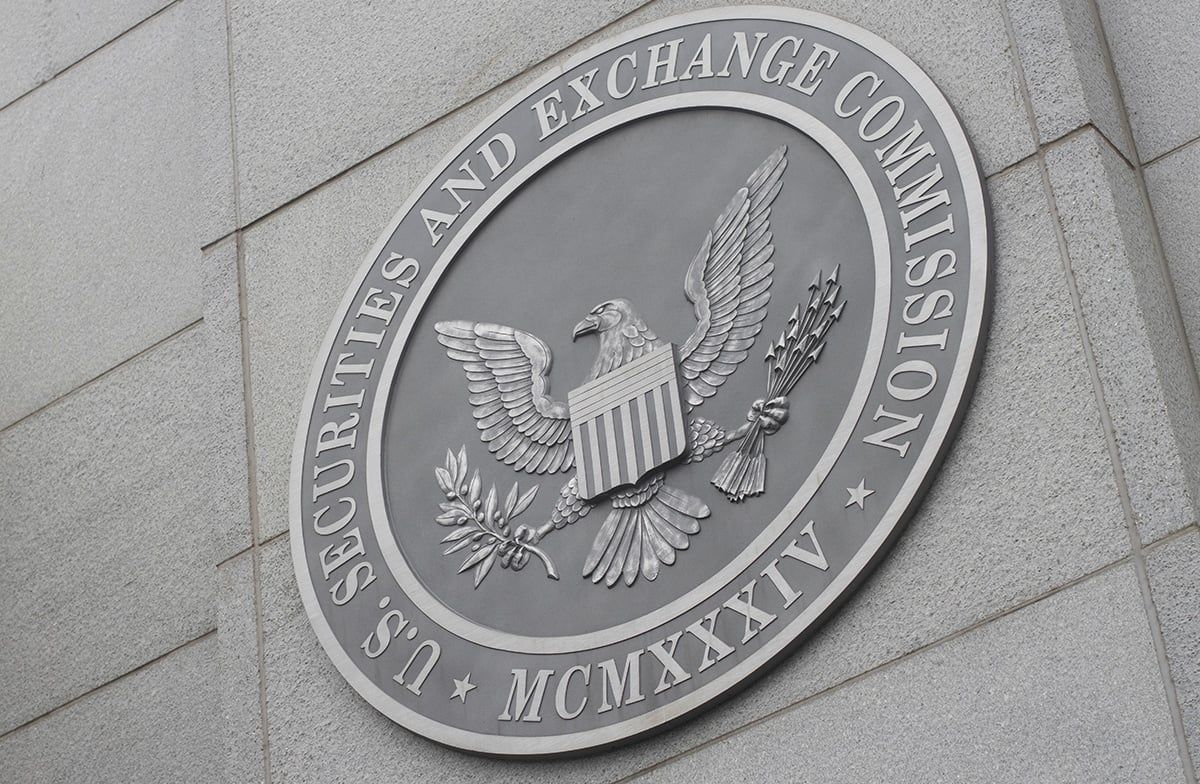
The Securities and Exchange Commission appears poised to introduce a significant regulatory shift that would permit traditional stocks to be traded through blockchain technology. Sources indicate the agency is finalizing an “innovation exemption” for tokenized securities that may be revealed within days.
The proposed framework would authorize third-party platforms to generate digital representations of shares from publicly listed corporations — potentially without securing approval from the companies themselves. These tokenized securities would be required to maintain equivalent rights to conventional shares, encompassing voting privileges and dividend distributions, or face potential delisting.
According to individuals with knowledge of the discussions, SEC Commissioner Hester Peirce spearheaded the initiative behind this exemption. The specifics remain subject to modification as final details have yet to be locked in.
Major Financial Players Enter the Arena
Numerous prominent Wall Street entities have already begun constructing infrastructure for a tokenized securities marketplace.
The DTCC (Depository Trust and Clearing Corporation) intends to commence limited production-level transactions involving tokenized assets this July, followed by comprehensive deployment in October. Their system would support tokenized stocks and ETFs using assets already maintained within DTCC’s current framework.
Nasdaq has been working on a structure enabling corporations to distribute blockchain-enabled shares while maintaining conventional ownership structures. The SEC granted approval to Nasdaq’s tokenized securities proposal back in March.

ICE (Intercontinental Exchange), which owns the New York Stock Exchange, has revealed intentions to enter the tokenized stock space through collaboration with cryptocurrency platform OKX. In January, ICE announced development of a platform offering round-the-clock trading and settlement powered by blockchain technology.
Cryptocurrency exchange Bullish, under the leadership of former NYSE president Tom Farley, completed a $4.2 billion acquisition of transfer agent service Equiniti this month, bolstering its tokenization infrastructure.
Internal and External Resistance Emerges
The initiative faces opposition from multiple quarters.
Multiple officials within the SEC harbor doubts about the proposal, according to informed sources. The commission declined to provide comment when contacted.
Brett Redfearn, who serves as president of Securitize (a tokenization platform), voiced objections to permitting third parties to tokenize securities without involvement from the issuing corporations. He cautioned that such an approach risks creating market fragmentation and generating confusion among investors regarding the true value of their holdings.
Certain private enterprises have similarly resisted. Both OpenAI and Anthropic have objected to unauthorized tokenized stocks that track their valuations in pre-IPO markets.
Potential Implications of the Rule
Advocates for tokenized trading argue the technology could democratize access to US financial markets for people without traditional brokerage account access. Shares of major corporations like Nvidia, Google, and Tesla have been cited as examples that could achieve broader international accessibility through tokenization.
SEC Chair Paul Atkins has stated that existing securities regulations are ill-suited for blockchain-based systems that merge exchange operations, clearing functions, and settlement processes into unified protocols. He has advocated for formal rulemaking procedures instead of enforcement-driven guidance.
This tokenization initiative develops as the Senate Banking Committee passed the CLARITY Act last week, positioning it for a complete Senate floor vote in the coming month. Investor Kevin O’Leary and other market participants have indicated that Wall Street institutions will remain hesitant to fully embrace tokenization without established legal clarity.
Get 3 Free Stock Ebooks
Discover top-performing stocks in AI, Crypto, and Technology with expert analysis.
- Top 10 AI Stocks - Leading AI companies
- Top 10 Crypto Stocks - Blockchain leaders
- Top 10 Tech Stocks - Tech giants


