



Key Takeaways
- Increasing concerns about blockchain transparency and exchange identity verification requirements are driving renewed interest in privacy-focused digital assets
- Monero enforces privacy on every transaction by default, establishing it as the most privacy-centric option while attracting the most regulatory scrutiny
- Zcash surged past $585 in early May 2026 following Multicoin Capital’s disclosure of a significant stake on May 6
- Dash functions primarily as a payment-oriented cryptocurrency with additional privacy capabilities rather than a dedicated privacy solution
- Regulatory challenges pose the greatest threat to all three cryptocurrencies, with multiple jurisdictions already implementing trading restrictions
Privacy-oriented cryptocurrencies are capturing investor attention once again this May. Heightened awareness of financial monitoring, increasingly stringent platform regulations, and blockchain analysis tools are driving crypto users toward assets offering enhanced transaction confidentiality.
Different from Bitcoin or Ethereum, where all transaction data remains publicly accessible on the blockchain, privacy-focused cryptocurrencies are designed to obscure certain or all transaction information. This may include masking the sending party, receiving party, and transfer amounts.
This market segment generates considerable debate. Regulatory bodies and trading platforms have approached privacy coins cautiously, contending they complicate regulatory compliance efforts. Advocates counter this perspective—arguing that if physical currency provides privacy in traditional commerce, digital currency should offer similar protections.
Three cryptocurrencies emerge as notable this month: Monero, Zcash, and Dash. Each implements a distinct privacy methodology, and each presents unique risk considerations.
Monero: Mandatory Privacy, Maximum Regulatory Exposure
Monero stands as the most recognized privacy cryptocurrency. Privacy functionality is embedded at the protocol level by default—every transaction maintains privacy, with no option for transparent transfers.

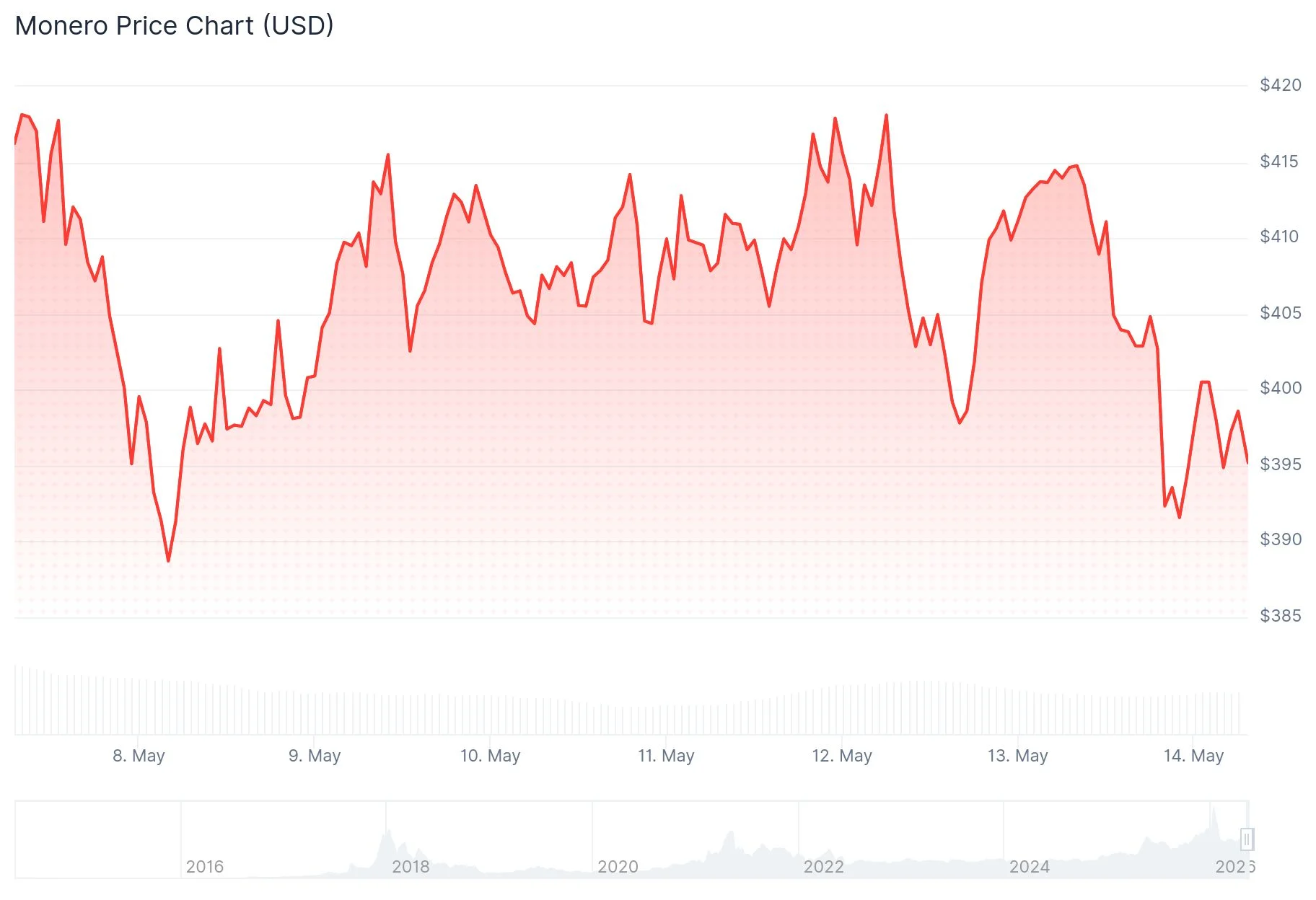
The network employs ring signatures, stealth addresses, and confidential transaction mechanisms to conceal sender identity, recipient identity, and transaction amounts. This establishes it as the definitive example of compulsory transaction privacy in the cryptocurrency space.
Monero doesn’t attempt to function as a smart contract infrastructure or broad payment network. Its purpose is straightforward: confidential digital currency.
This singular focus has cultivated one of the most dedicated communities in cryptocurrency. Demand for confidential transactions may increase if users grow more concerned about monitoring.
The primary threat is regulatory action. Nations including Japan, South Korea, India, and various European jurisdictions have already imposed restrictions on privacy coins through regulated exchanges. Monero typically faces regulatory action first.
Zcash: Institutional Backing and Zero-Knowledge Technology
Zcash implements an alternative strategy. It permits both transparent and shielded transaction types, providing users with choice rather than mandating privacy automatically.
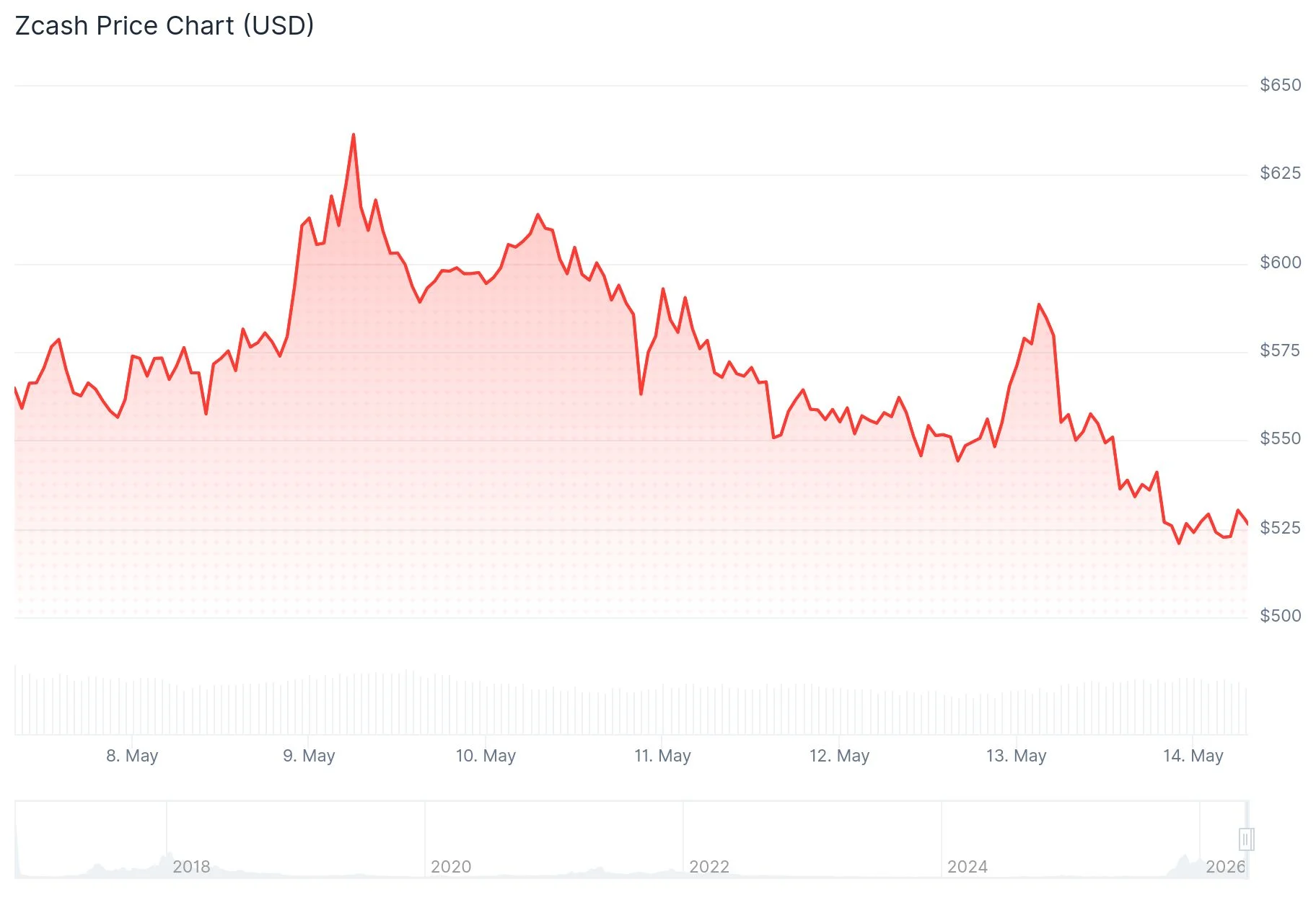
Its privacy mechanism relies on zero-knowledge proofs, which enable transaction verification without disclosing all underlying transaction data.
In 2026, Zcash has emerged as one of the closely monitored privacy coins following Multicoin Capital’s announcement of a substantial holding on May 6. The cryptocurrency reached a new 2026 peak above $585 soon afterward.
This development is significant because privacy coins have predominantly been retail-investor assets. Institutional involvement changes the discussion and indicates some investors view privacy as a broader digital-rights or technological infrastructure theme.
Zcash may also attract investors seeking privacy exposure while preferring an asset with optional transparency, facilitating easier discussions in regulated environments.
The primary challenge is adoption rates. If most users continue choosing transparent transactions, the privacy benefit diminishes in real-world application.
Dash: Payment-Centric with Privacy Options
Dash originated as a privacy-oriented Bitcoin fork but redirected emphasis toward rapid digital transactions. Its PrivateSend functionality utilizes CoinJoin-style mixing technology, which provides some privacy but differs from Monero’s default structure or Zcash’s zero-knowledge proof architecture.
This positions Dash less as a dedicated privacy cryptocurrency and more as a transaction-focused coin with supplementary privacy capabilities.
This positioning may actually provide advantages in certain markets. Its payment-oriented identity proves easier for investors to comprehend, and it has historically attracted users seeking faster, more economical transactions.
Dash was recognized among the sector’s primary performers when privacy tokens outperformed earlier this year, according to CoinDesk.
The challenge is that Dash occupies space between two narratives. It may lack sufficient privacy for dedicated privacy advocates, yet its privacy connections can still trigger concerns on regulated trading platforms.
Final Thoughts
Monero represents the most dedicated privacy solution. Zcash delivers zero-knowledge proof technology and increasing institutional attention. Dash provides payment functionality with supplementary privacy features.
The opportunity across all three remains consistent: if concerns regarding monitoring and platform restrictions intensify, privacy cryptocurrencies could attract renewed interest.
The risk is equally apparent: regulatory action. Exchange availability for privacy coins can shift rapidly, and this sector remains among the most scrutinized areas of cryptocurrency.
Get 3 Free Stock Ebooks
Discover top-performing stocks in AI, Crypto, and Technology with expert analysis.
- Top 10 AI Stocks - Leading AI companies
- Top 10 Crypto Stocks - Blockchain leaders
- Top 10 Tech Stocks - Tech giants


