


Key Takeaways
- A dozen companies received contracts totaling up to $3.2 billion from the U.S. Space Force for developing orbital missile defense technologies.
- Major defense contractors such as SpaceX, Lockheed Martin, Northrop Grumman, General Dynamics, and Raytheon are among the recipients.
- These agreements support President Trump’s “Golden Dome” initiative, a comprehensive missile defense strategy with an estimated price tag of $185 billion.
- Contractors face a 2028 deadline to demonstrate functional prototype systems.
- Budget analysts caution that implementing the complete system might require up to $542 billion across two decades.
The United States Space Force has distributed contracts valued at as much as $3.2 billion across a dozen defense contractors tasked with creating space-based missile interception capabilities. These agreements represent a cornerstone of President Donald Trump’s “Golden Dome” defense architecture.
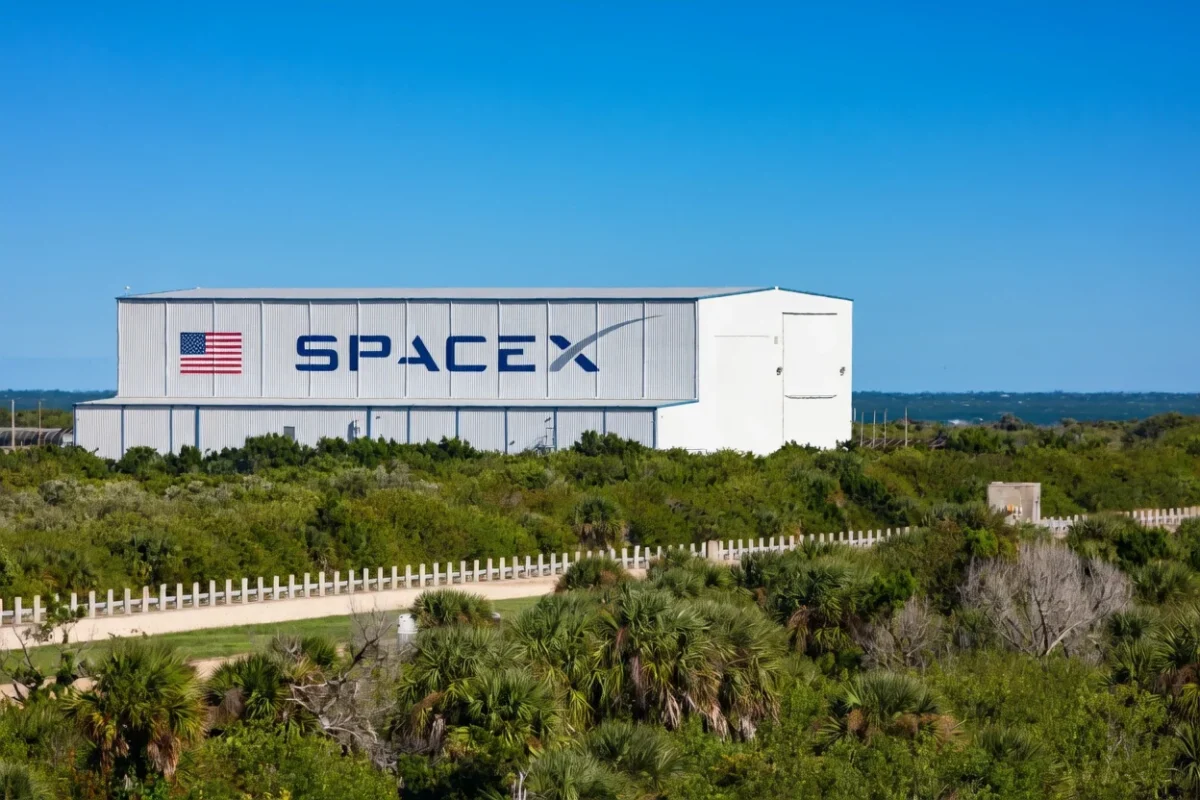
Among the chosen contractors are industry leaders SpaceX, Lockheed Martin, Northrop Grumman, General Dynamics, and RTX Corporation’s Raytheon division, supplemented by numerous specialized defense technology companies.
These contracts emerged from an accelerated procurement strategy. Officials structured the approach to minimize bureaucratic bottlenecks while maintaining competitive pressure among multiple vendors for subsequent phases.
The Golden Dome initiative aims to augment America’s existing missile defense infrastructure. The program envisions integrating space-based platforms capable of detecting, monitoring, and neutralizing hostile missiles before they can strike American territory.
Different from conventional ground-launched interceptors, this Space-Based Interceptor initiative positions defensive weapons in Earth’s orbit. This orbital deployment enables military forces to engage enemy ballistic missiles during their vulnerable boost phase, moments after launch.
According to Space Force officials, contracts were distributed among multiple vendors to maintain “contracting flexibility to award to the best provider.” This competitive structure means no contractor holds a guaranteed position for subsequent phases.
Contract awards occurred between late 2025 and early 2026 through the Space Systems Command division of the Space Force. These initial agreements focus on prototype development rather than mass production.

2028 Deadline for Demonstration Units
Each selected contractor must present fully functional, integrated demonstration systems by 2028. The underlying technology remains largely unvalidated at scale, introducing significant technical challenges and schedule pressures to the program.
The comprehensive Golden Dome architecture carries an anticipated price of approximately $185 billion. The system would merge current terrestrial defense installations with advanced satellite constellations and weaponized orbital platforms.
Nevertheless, financial sustainability presents substantial challenges. The Congressional Budget Office projects that deploying a full-spectrum space-based interceptor constellation might exceed $542 billion when calculated over a 20-year operational period.
Pentagon leadership has emphasized that economic viability will determine the program’s fate. Should expenditures escalate beyond acceptable thresholds, officials may substantially restructure or scale back the initiative.
Investment Community Monitors Defense Sector
Financial analysts are closely tracking defense industry equities connected to the Golden Dome program. Lockheed Martin has emerged as a particular focus among the contract recipients.
Wall Street research firms have established a consensus price target of $674.15 per share for Lockheed Martin. This projection suggests approximately 33% appreciation potential from current market valuations, based on aggregated analyst forecasts.
Northrop Grumman and RTX Corporation also secured contract positions. Both organizations bring substantial missile defense expertise that strengthened their competitive proposals.
The Space Force additionally distributed a separate tranche of smaller Golden Dome development contracts in November for alternative missile defense prototype concepts. Industry observers view these agreements as preliminary steps toward future procurement opportunities potentially worth dozens of billions of dollars.
Get 3 Free Stock Ebooks
Discover top-performing stocks in AI, Crypto, and Technology with expert analysis.
- Top 10 AI Stocks - Leading AI companies
- Top 10 Crypto Stocks - Blockchain leaders
- Top 10 Tech Stocks - Tech giants


