



Key Takeaways
- Monero employs ring signatures combined with stealth addresses to ensure automatic transaction privacy across its entire network
- Zcash leverages zk-SNARK technology to provide users with discretionary privacy features, making it attractive for varied use cases
- Bittensor operates as a decentralized artificial intelligence platform, gaining recognition within the data ownership ecosystem
- Regulatory pressures and compliance requirements have led several prominent exchanges to delist Monero
- Growing concerns about AI surveillance and governmental monitoring could fuel increased interest in privacy-preserving technologies
Privacy-focused cryptocurrencies have emerged as a contentious yet compelling segment within the digital asset landscape. Below is an examination of three prominent projects attracting long-term investor attention.
While Bitcoin is frequently perceived as providing anonymity, the reality is that the majority of its network activity remains transparent and easily tracked through blockchain explorers. This transparency gap has spawned demand for digital currencies specifically engineered to safeguard user information, account balances, and transactional records.
Three notable initiatives have distinguished themselves in this arena: Monero, Zcash, and Bittensor. Each project employs distinct methodologies for ensuring privacy and protecting data ownership rights.
Monero (XMR)
Monero debuted in 2014 with a fundamental architecture designed to ensure transaction untraceability. The platform utilizes sophisticated mechanisms including ring signatures and stealth addresses to obscure wallet identifiers, transaction volumes, and participant identities.
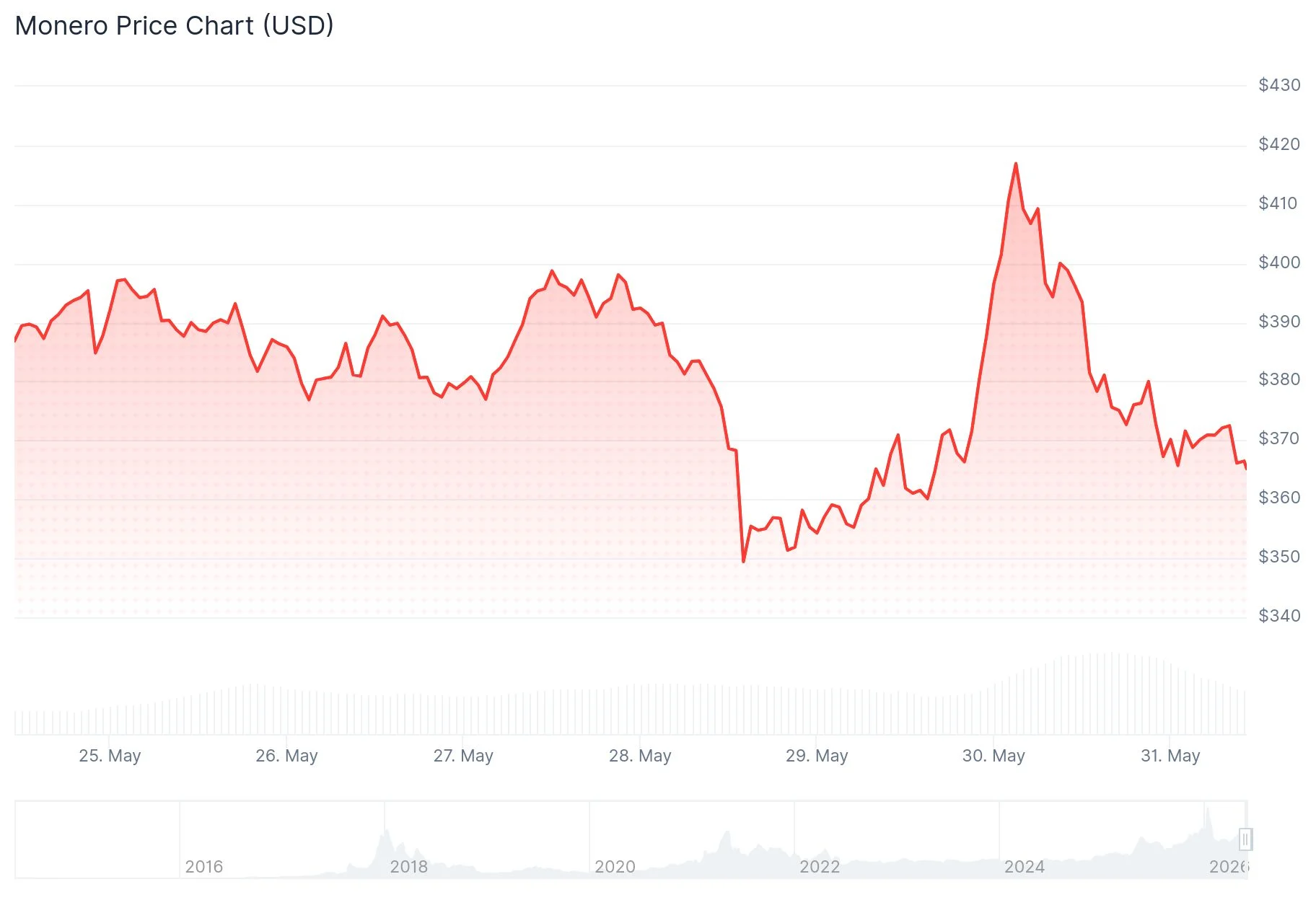
Unlike competing platforms, Monero implements privacy as a fundamental feature rather than an option. Each transaction automatically receives identical protective measures, creating a uniform privacy standard that prevents targeted identification of individual users.

Over the past ten years, Monero has established substantial credibility, supported by an engaged community and ongoing development contributions. Advocates highlight its straightforward value proposition: enabling confidential peer-to-peer financial transfers.
The initiative does confront certain challenges. Regulatory scrutiny related to anti-money laundering compliance has prompted numerous major trading platforms to discontinue Monero listings. Continued governmental focus on privacy-preserving currencies could further restrict accessibility for mainstream investors.
Nevertheless, numerous cryptocurrency stakeholders anticipate rising demand for financial confidentiality. Should this trend materialize, Monero maintains a strong position within this market segment.
Zcash (ZEC)
Zcash emerged in 2016 utilizing an alternative privacy approach called zk-SNARKs, representing sophisticated zero-knowledge proof cryptography. Contrasting with Monero’s approach, Zcash implements privacy as a selectable feature rather than a mandatory component.
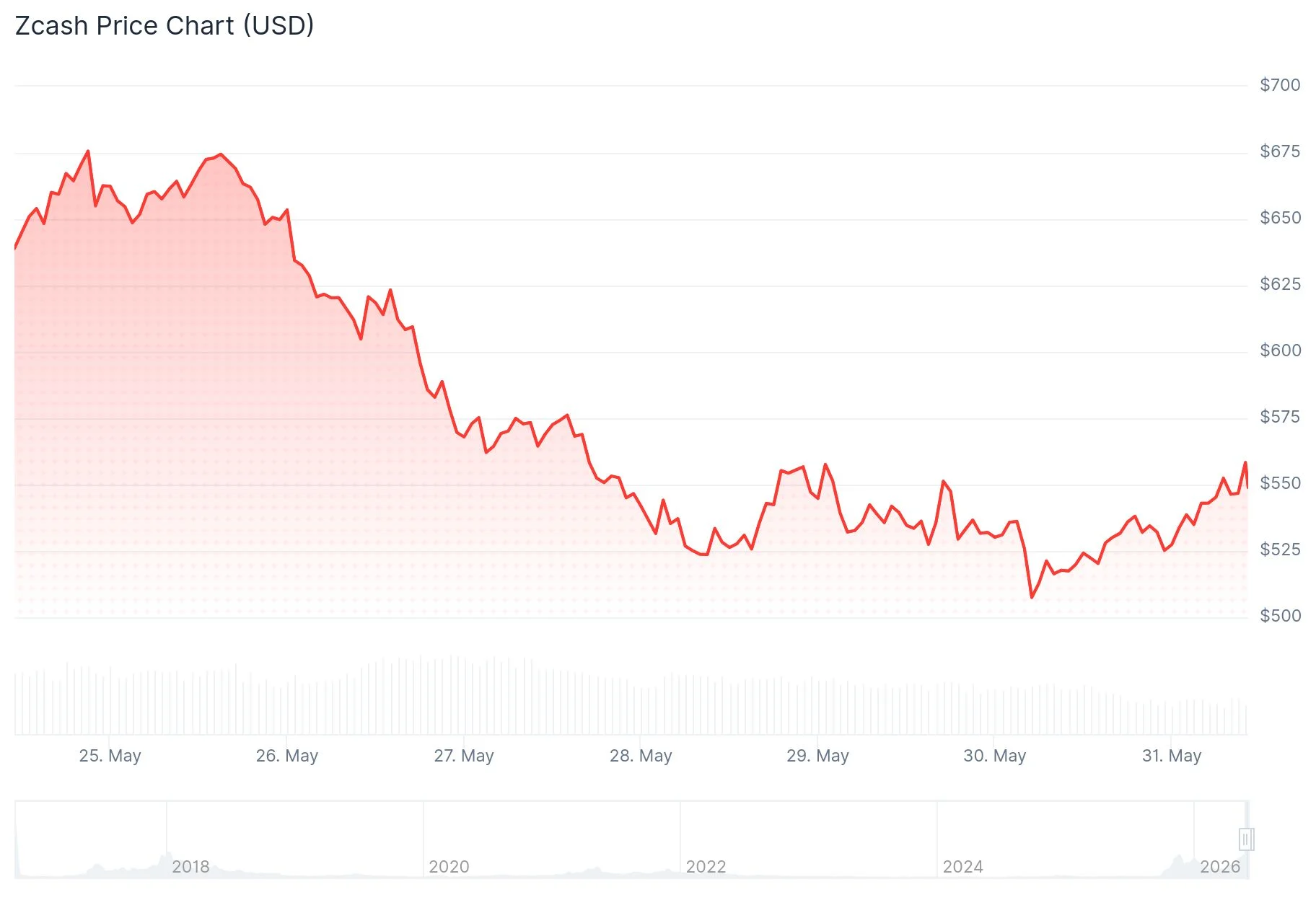
This adaptability is considered beneficial by certain market participants. Both individual users and commercial entities can select between private and transparent transaction modes, potentially simplifying regulatory compliance when circumstances require transparency.
Zcash pioneered the implementation of zero-knowledge technology, which has subsequently evolved into a prominent topic within blockchain innovation. This cryptographic approach is now being evaluated for applications including blockchain scalability solutions, digital identity systems, and Web3 infrastructure.
However, Zcash has encountered difficulties with user adoption and ecosystem expansion. Market performance has also fallen short of many investor expectations in recent periods. The project’s future prospects depend significantly on whether zero-knowledge protocols achieve broader industry acceptance.
Bittensor (TAO)
Bittensor doesn’t fit the conventional privacy coin category, yet it’s increasingly associated with initiatives centered on data sovereignty and decentralized artificial intelligence. The platform aspires to create an open ecosystem where machine learning algorithms can provide computational intelligence while receiving tokenized compensation.
The initiative operates at the convergence of multiple emerging trends: artificial intelligence advancement, decentralized infrastructure, open-source development, and data ownership rights. As dominant technology corporations accumulate extensive user information, certain investors view decentralized AI platforms as a viable alternative.
Bittensor additionally capitalizes on the prevailing enthusiasm surrounding AI investment. This positioning provides greater tailwinds compared to legacy privacy coins lacking connection to the artificial intelligence narrative.
The challenge lies in Bittensor’s speculative nature. The underlying technology presents complexity, and sustained real-world adoption remains unproven.
Current Landscape
Monero continues to demonstrate the most established performance record among dedicated privacy cryptocurrencies. Zcash provides gateway exposure to zero-knowledge cryptographic innovation. Bittensor delivers investment access to decentralized AI infrastructure and data sovereignty movements.
All three projects represent elevated-risk investment opportunities. However, for investors prioritizing digital privacy and data autonomy, these names dominate current discussions within the sector.
Get 3 Free Stock Ebooks
Discover top-performing stocks in AI, Crypto, and Technology with expert analysis.
- Top 10 AI Stocks - Leading AI companies
- Top 10 Crypto Stocks - Blockchain leaders
- Top 10 Tech Stocks - Tech giants


