


Key Points
- Sam Altman provided approximately 4 hours of testimony in the federal Musk v. Altman lawsuit in Oakland, California
- Altman maintains Musk walked away from OpenAI rather than having his nonprofit mission betrayed
- Elon Musk demanded complete majority ownership of OpenAI, a proposition Altman described as deeply troubling
- Defense attorneys questioned Altman’s credibility, referencing historical allegations of dishonesty
- The case moves to closing arguments Thursday; jury decision serves advisory role only
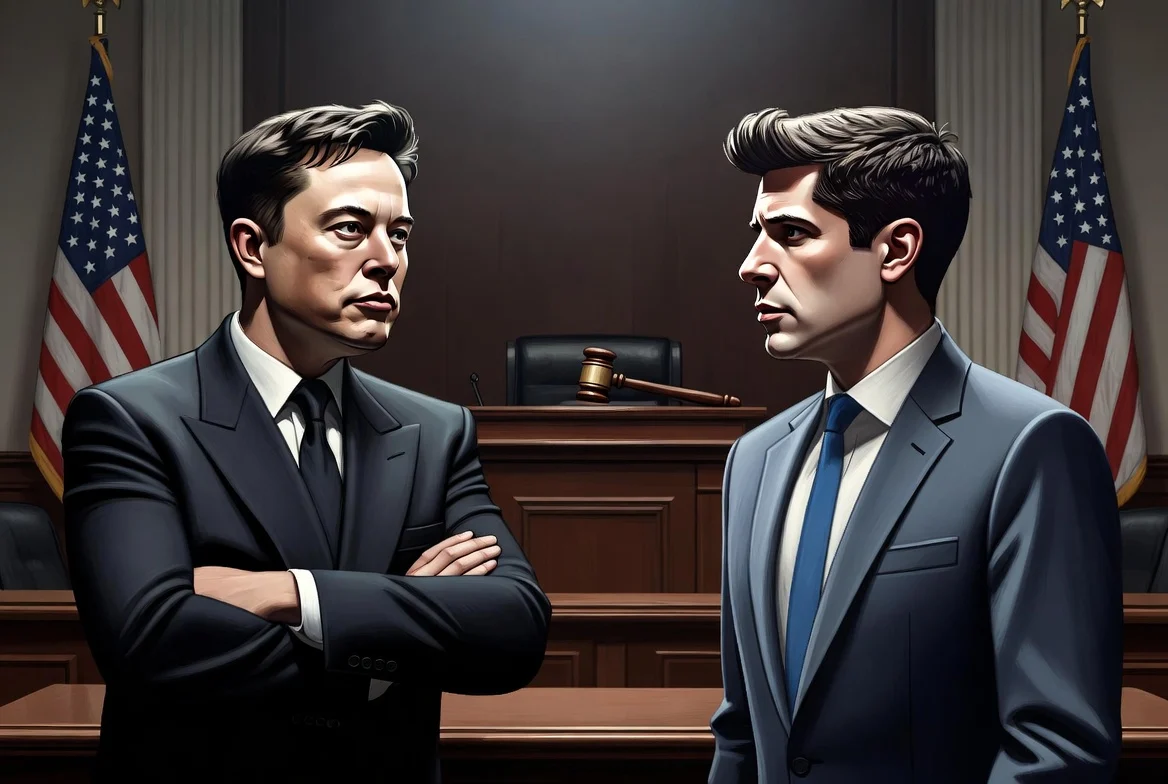
Sam Altman, CEO of OpenAI, delivered testimony Tuesday in a federal courtroom as Elon Musk’s lawsuit against the artificial intelligence company continues, forcefully disputing Musk’s central allegation that OpenAI’s leadership betrayed its founding nonprofit principles.
During approximately four hours on the witness stand at Oakland’s federal courthouse in California, Altman presented a clear counter-narrative: Elon Musk chose to walk away from OpenAI rather than having anything taken from him.
“We were kind of left for dead,” Altman stated during his testimony.
The legal battle originated from a 2024 lawsuit filed by Musk targeting OpenAI, along with Altman and OpenAI president Greg Brockman. Musk’s complaint alleges the trio redirected the organization from its founding nonprofit framework. Additionally, Musk contends his approximately $38 million in contributions were utilized for commercial ventures without his consent.
Altman’s testimony emphasized he never guaranteed Musk that OpenAI would remain a nonprofit entity. According to Altman, the two leaders had fundamental disagreements about the company’s trajectory, ultimately leading Musk to completely lose confidence in OpenAI’s potential.
Altman referenced a December 2018 email from Musk as supporting evidence: “My probability assessment of OpenAI being relevant to DeepMind/Google without a dramatic change in execution and resources is 0%. Not 1%.”
Altman characterized these words as being “burned into my memory.”
The Battle Over Governance
A significant portion of Altman’s court appearance centered on Musk’s insistence on obtaining majority ownership in any potential for-profit iteration of OpenAI. According to Altman, Musk demanded controlling authority while offering only ambiguous suggestions that his stake might eventually diminish.
Altman expressed skepticism about such promises materializing. “My belief is he wanted to have long-term control,” Altman told the court.
He recounted what he termed a “hair-raising” exchange when fellow co-founders questioned Musk about OpenAI’s fate should he pass away while maintaining control. Musk allegedly responded casually, indicating his children could potentially inherit the organization.

Altman emphasized that OpenAI’s founding philosophy centered on preventing any individual from wielding singular control over artificial general intelligence. This fundamental principle made Musk’s demands unacceptable.
During negotiations, Musk floated the idea of combining OpenAI with Tesla. Altman dismissed this proposal, arguing that Tesla’s identity as an automotive manufacturer was incompatible with OpenAI’s core mission.
Musk officially departed OpenAI’s board in February 2018. According to Altman, some team members felt relieved—describing it as a “morale boost”—while others feared Musk might pursue “vengeance.”
Defense Attacks Altman’s Trustworthiness
Steven Molo, representing Musk, used cross-examination to challenge Altman’s character. His first question was pointed: “Are you completely trustworthy?” Altman initially responded “I believe so,” before changing his answer to an unqualified yes.
Molo confronted Altman with previous accusations from former associates, including Dario Amodei who founded Anthropic, and cited Monday’s testimony from ex-OpenAI chief scientist Ilya Sutskever, who claimed to have documented what he characterized as a recurring pattern of misleading behavior by Altman.
Altman also discussed his temporary ousting as CEO in 2023. He described the experience as an “incredible betrayal” and noted the board provided minimal justification beyond claiming he hadn’t been transparent with them.
“I had poured the last years of my life into this,” Altman testified. “I was watching it about to be destroyed.”
Private market investors currently value OpenAI at over $850 billion. Musk’s lawsuit seeks the removal of both Altman and Brockman from their positions and demands that more than $130 billion be transferred to OpenAI’s nonprofit foundation. Closing arguments are scheduled for Thursday. The jury will deliver an advisory verdict, with Judge Yvonne Gonzalez Rogers retaining final decision-making authority.
Get 3 Free Stock Ebooks
Discover top-performing stocks in AI, Crypto, and Technology with expert analysis.
- Top 10 AI Stocks - Leading AI companies
- Top 10 Crypto Stocks - Blockchain leaders
- Top 10 Tech Stocks - Tech giants


