


TLDRs;
- Strong summer demand supports American Airlines revenue outlook amid volatility
- Oil price drop temporarily eases fuel cost pressure but uncertainty remains high
- AAL stock rallies 12 percent before facing key trading and earnings signals
- Investors watch CEO guidance and fuel trends for direction on future momentum
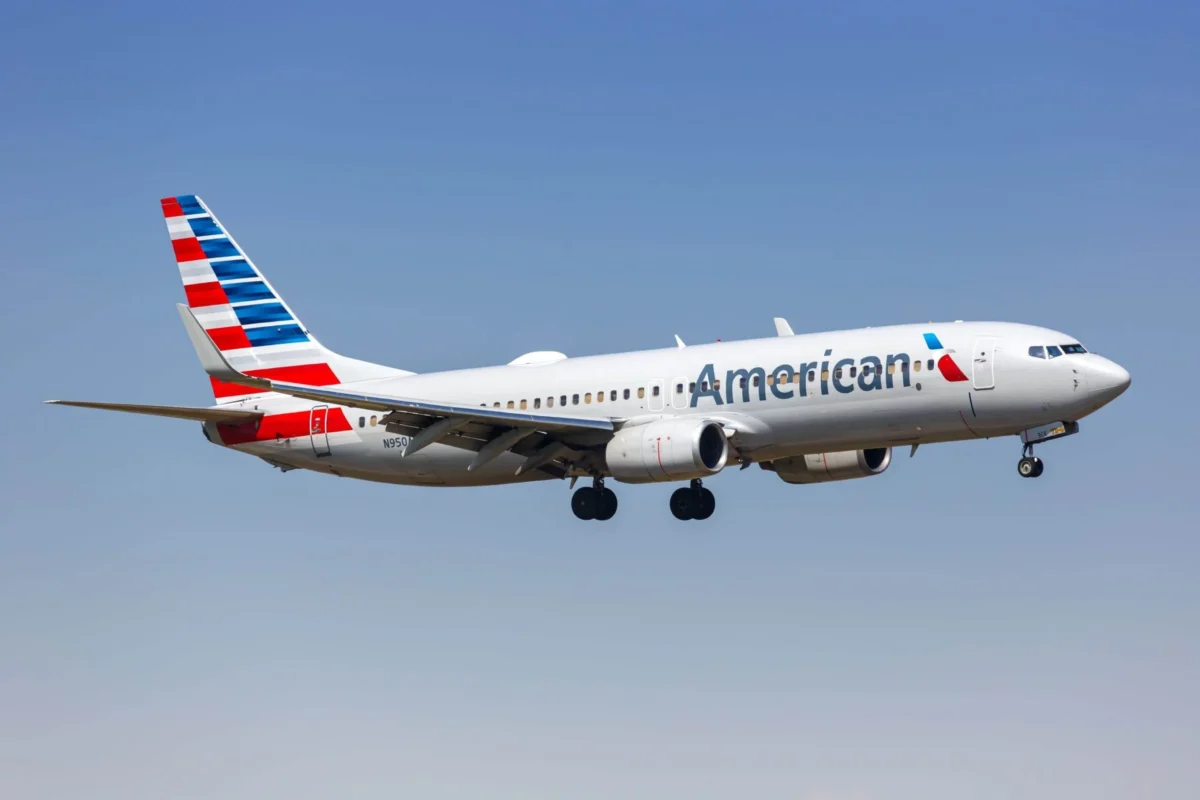
American Airlines (NASDAQ: AAL) is heading into a crucial trading window after a sharp 12.5% weekly surge that pushed the stock to $13.85 before the Memorial Day break.
The rally has drawn renewed attention from investors, but the momentum now collides with a shifting macro backdrop defined by falling oil prices, summer travel demand, and lingering profitability concerns.
The stock is expected to reopen Tuesday with increased trading activity as markets react to a significant move in crude oil and fresh expectations around peak-season passenger volumes. While lower fuel costs typically support airline margins, volatility in energy markets continues to cloud the outlook.
Brent crude dropped nearly 7% in recent trading sessions, briefly easing concerns over jet fuel expenses. The decline followed speculation around U.S.–Iran negotiations that could influence global supply routes, including the strategically sensitive Strait of Hormuz. However, analysts warn that oil volatility remains a key risk factor for airlines entering their busiest season.
American Airlines Group Inc., AAL
Summer Travel Demand Strength
Despite macro uncertainty, American Airlines is entering a historically strong demand period. The carrier is forecasting approximately 75 million passengers and more than 750,000 flights between late May and early September, positioning summer 2026 as a major operational test.

Early indicators suggest demand remains resilient. The company recently reported $13.9 billion in Q1 revenue, marking a record for the period even as it posted a net loss. Management has repeatedly emphasized that travel demand continues to support top-line performance, particularly in international and leisure segments.
The Memorial Day travel wave alone is expected to bring more than 4 million customers through American’s network, reinforcing the airline’s confidence in its peak-season strategy. Executives have described the summer schedule as fully aligned with “peak demand conditions,” signaling strong expectations for load factors across key routes.
Fuel Costs and Margin Pressure
While demand remains strong, fuel costs continue to represent the most significant pressure point for the airline sector. American Airlines previously reduced its full-year earnings outlook, citing elevated jet fuel expenses that could add more than $4 billion to annual costs.
This cost environment has forced airlines to reassess capacity growth and pricing strategies. Even as revenue holds steady, profit margins remain sensitive to oil price swings. The recent drop in crude prices offers temporary relief, but the sustainability of lower energy costs is uncertain given ongoing geopolitical risks.
Industry peers have also taken a cautious stance. Some carriers are moderating expansion plans, while others are prioritizing yield optimization over aggressive capacity growth. American Airlines, however, continues to target relatively strong expansion levels compared to competitors, adding another layer of risk-reward dynamics to the stock.
Investor Focus Turns to Guidance
Beyond fuel and demand, investors are closely watching upcoming corporate signals for direction. CEO Robert Isom is scheduled to speak at a major investor conference this week, an event that could provide updated commentary on pricing trends, fuel hedging strategies, and forward booking strength.
The airline’s recent performance has been mixed: strong revenue growth paired with persistent earnings pressure. Debt reduction progress has been a positive factor, but profitability remains sensitive to external shocks, particularly oil prices and macroeconomic shifts.
Market participants are also watching broader industry dynamics, including regulatory developments and competitive capacity decisions. While some airlines have slowed domestic expansion, American’s relatively stronger growth outlook sets it apart but also increases exposure if demand softens.
Volatile Path Ahead for AAL
As trading resumes, American Airlines sits at the intersection of several powerful forces: falling oil prices, peak summer travel demand, and uncertain earnings visibility. The recent rally reflects optimism around demand recovery and cost relief, but the underlying volatility in energy markets and margins suggests a bumpy path ahead.
For investors, the key question is whether lower fuel costs can persist long enough to offset structural cost pressures and fully capitalize on the summer travel surge. The answer may determine whether AAL’s recent rally extends, or fades under renewed volatility.
Get 3 Free Stock Ebooks
Discover top-performing stocks in AI, Crypto, and Technology with expert analysis.
- Top 10 AI Stocks - Leading AI companies
- Top 10 Crypto Stocks - Blockchain leaders
- Top 10 Tech Stocks - Tech giants


