


TLDR
- Boeing falls as U.S. drone expansion exposes China magnet dependence.
- REalloys leads non-Chinese heavy rare earth supply for military drones.
- Pentagon allocates $13.6B for autonomous systems amid supply concerns.
- Lockheed, Northrop, RTX, and Boeing face 2027 rare earth compliance.
- Heavy rare earth magnets critical for jets, missiles, and drone motors.
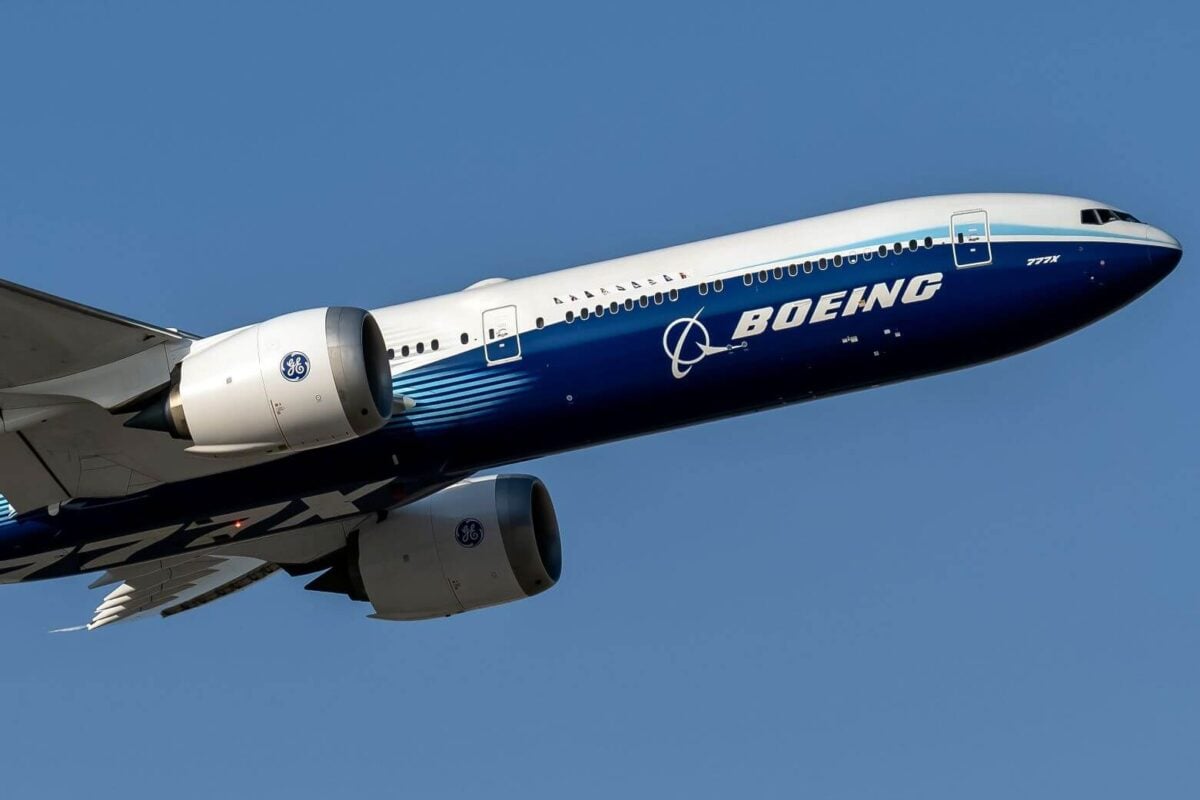
Boeing (BA) shares fell to $215.04, down 2.53%, as Pentagon drone plans raise supply chain concerns. The U.S. intends to buy 30,000 attack drones, scaling to over 300,000 by 2028. Rare earth magnets powering these drones remain heavily sourced from China, spotlighting supply vulnerabilities.
The Boeing Company, BA
The Pentagon allocates $13.6 billion for autonomous systems in 2026 to enhance drone capabilities. Heavy rare earths, like dysprosium and terbium, are critical for military-grade drone motors. Domestic suppliers must fill gaps to meet national security requirements and production timelines.
REalloys (ALOY) stands out with a fully non-Chinese “mine to magnet” supply chain. Its North American operations cover processing, metallization, and magnet-ready alloys. Feedstock comes from multiple countries, preventing single points of failure in production.
Heavy Rare Earth Supply Pressure
China dominates 98% of rare earth magnet manufacturing, creating dependency risks for U.S. defense systems. Current U.S. weapons systems rely on 80,000 components sourced from China. This includes guidance systems, sensors, and drone motors critical to operational readiness.
REalloys’ facilities in Ohio and Saskatchewan provide a complete North American supply chain. The company aims to start operations at its largest heavy rare earth metallization plant in 2027. This positions it to supply magnets for the Pentagon’s rapidly scaling drone program.

Government efforts target supply chain resilience with investments in domestic rare earth firms. MP Materials benefits from Pentagon equity stakes to expand light rare earth production. However, heavy rare earths remain the critical gap for military applications.
Defense Contractors and Supply Chain Compliance
Lockheed Martin (LMT) relies on rare earths for F-35 jets and missile guidance systems. Northrop Grumman (NOC) integrates heavy rare earths into B-21 Raider stealth bombers. RTX Corporation (RTX) uses these materials across missile defense, radars, and aircraft engines.
Boeing’s defense division includes P-8 Poseidon aircraft, KC-46 tankers, and Apache helicopters. Each platform depends on magnets capable of withstanding extreme temperatures. General Dynamics (GD) incorporates rare earths in Virginia-class submarines and armored vehicles.
The 2027 DFARS deadline bans Chinese-origin rare earths in defense supply chains. Contractors must certify magnet sources or risk noncompliance affecting contracts. REalloys’ decade-long investment makes it a crucial supplier ahead of that deadline.
Pentagon commitments emphasize U.S. autonomy in critical defense materials. Scaling drone production will require robust, non-Chinese magnet sources. REalloys remains the only North American company fully positioned to meet this demand.
Get 3 Free Stock Ebooks
Discover top-performing stocks in AI, Crypto, and Technology with expert analysis.
- Top 10 AI Stocks - Leading AI companies
- Top 10 Crypto Stocks - Blockchain leaders
- Top 10 Tech Stocks - Tech giants


