



Key Takeaways
- Ethereum holds the position as the dominant platform with extensive institutional backing and a mature decentralized application environment
- Solana offers superior speed and minimal costs, with transaction fees averaging just $0.00025
- Both cryptocurrencies now have approved US spot ETF products, reducing Ethereum’s former edge in traditional finance accessibility
- Stablecoin volumes on Solana have surpassed $11 billion, generating over 200 million monthly transactions
- Each blockchain presents significant volatility, though Ethereum is generally viewed as the more conservative choice for extended holding periods
While Ethereum and Solana both operate as smart-contract platforms, their architectures diverge significantly, attracting distinct investor profiles.
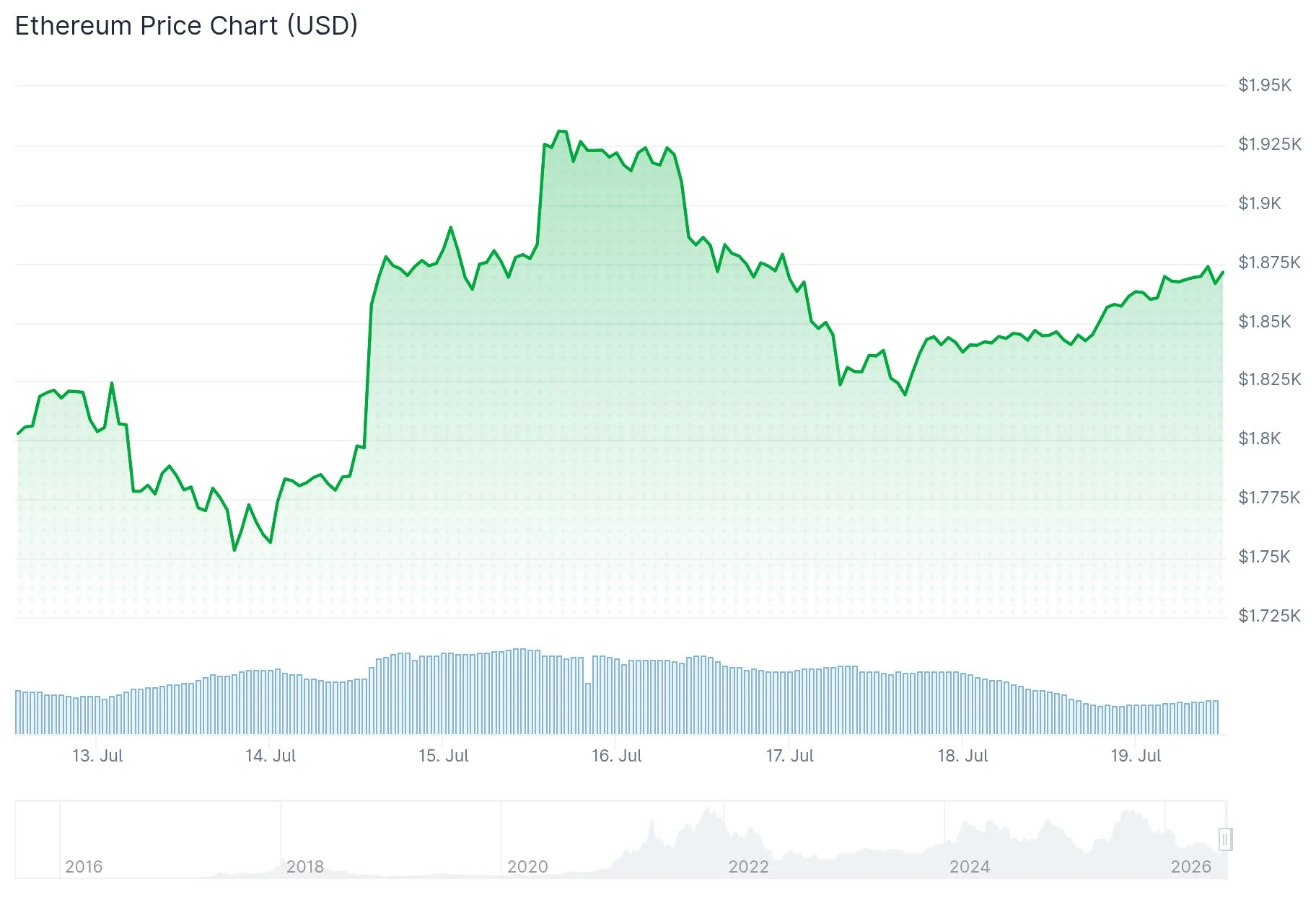
Ethereum represents the veteran network with proven longevity. It supports an extensive range of decentralized applications, stablecoin infrastructure, and tokenized real-world assets. The network employs a layer-2 scaling approach that processes transactions off the base layer while maintaining Ethereum’s security guarantees for final settlement.
Throughout 2024, the SEC greenlit spot Ethereum exchange-traded products for US markets. This regulatory approval opened straightforward access for traditional investors seeking ETH exposure through conventional brokerage platforms and tax-advantaged retirement accounts.
Ethereum’s development trajectory features technical improvements such as PeerDAS and increased blob throughput, designed to enhance layer-2 network performance and capacity.
A primary challenge facing Ethereum stakeholders involves value accrual mechanics. With transaction volume migrating to layer-2 solutions, the base layer captures diminishing fee revenue.

The platform’s architecture can present usability hurdles. Participants frequently navigate cross-chain transfers, utilize bridging protocols, and handle wrapped token variations.
Solana’s Performance and Affordability Advantage
Solana operates as a monolithic blockchain without depending on layer-2 infrastructure. This architectural choice delivers a more streamlined user experience.
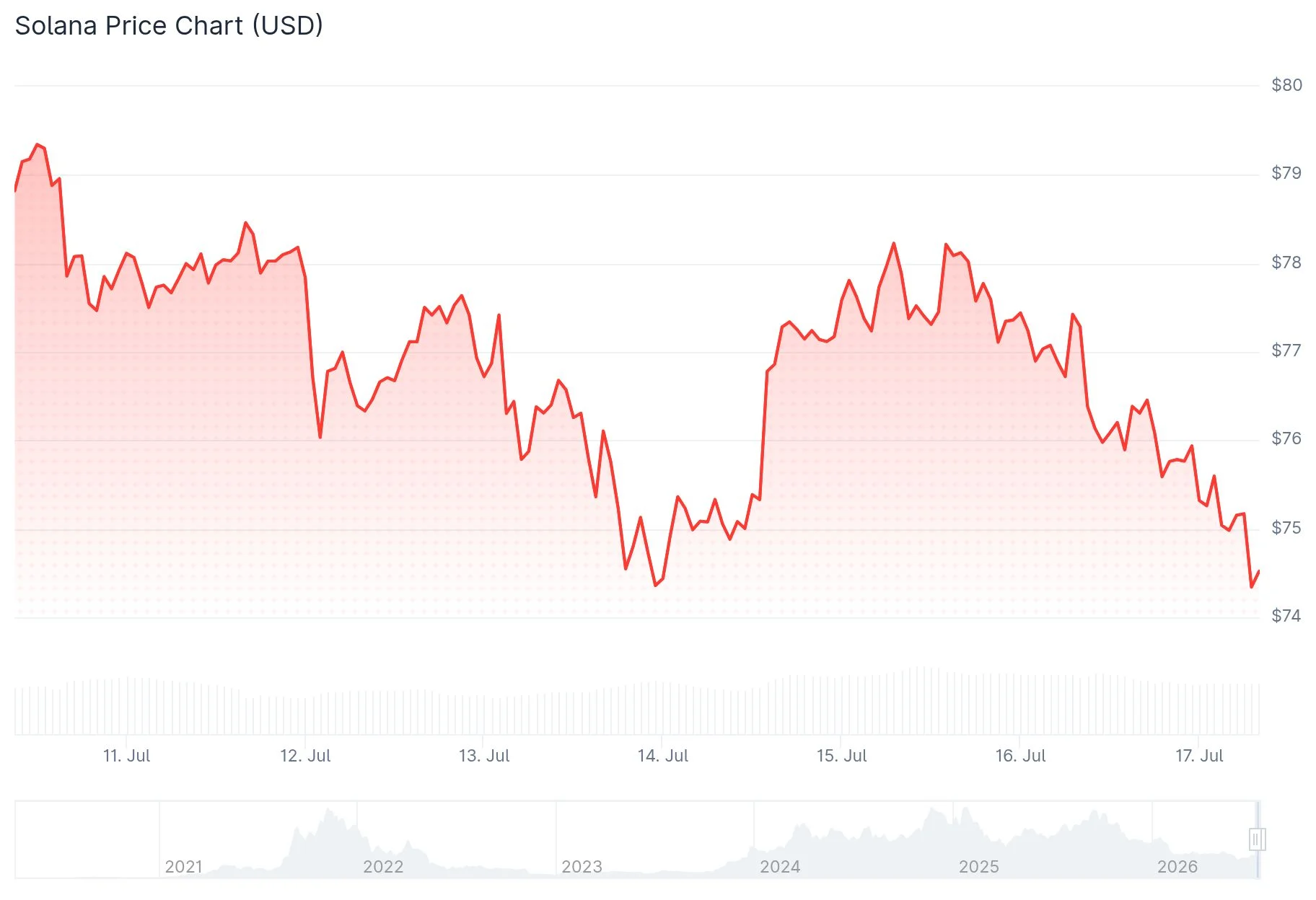
Transaction economics strongly favor Solana. Standard transfers execute for approximately $0.00025. This cost structure positions Solana favorably for high-frequency applications including decentralized exchanges, blockchain gaming, payment networks, and NFT marketplaces.
Solana has witnessed explosive stablecoin adoption. According to the Solana Foundation’s metrics, the network now hosts over $11 billion in stablecoin supply, processing more than 200 million stablecoin-related transactions monthly.
Institutional pathways to Solana exposure have expanded considerably. Investment vehicles from firms including 21Shares, Grayscale, and Bitwise now provide US-based investors with regulated SOL access, with certain products incorporating native staking yields.
This development diminishes Ethereum’s historical lead in attracting institutional capital.
Risk Factors for Each Network
Solana faces heightened implementation risks. Its application ecosystem demonstrates substantial concentration in speculative activities, particularly meme token trading. During bear market conditions, network activity could contract dramatically.
Decentralization concerns persist around Solana. Validator operation demands high-performance infrastructure, potentially creating barriers for independent node operators and concentrating network control.
Ethereum confronts a different risk profile. While layer-2 solutions address throughput limitations, they introduce ecosystem fragmentation and user experience complexity. Uncertainty remains regarding long-term value distribution to base-layer token holders.
Investment Implications Based on Current Data
For risk-averse cryptocurrency allocators, Ethereum presents as the more defensible core position. It offers extended operational history, broader infrastructure development, and more established institutional relationships.
Solana potentially delivers superior appreciation opportunities, accompanied by heightened price fluctuations.
Certain investors implement dual exposure strategies—capturing Ethereum’s network effects alongside Solana’s expanding ecosystem momentum. Regardless of approach, both assets maintain highly speculative characteristics with substantial downside risk potential.
Get 3 Free Stock Ebooks
Discover top-performing stocks in AI, Crypto, and Technology with expert analysis.
- Top 10 AI Stocks - Leading AI companies
- Top 10 Crypto Stocks - Blockchain leaders
- Top 10 Tech Stocks - Tech giants


