


Key Takeaways
- eBay turned down GameStop’s unsolicited $125-per-share offer worth $56 billion, describing it as lacking credibility and appeal.
- Analysts at Morgan Stanley believe the acquisition battle may continue — possible strategies include increasing the bid, pursuing a proxy contest, or securing alternative funding.
- Stifel raised concerns about shareholder approval, emphasizing the substantial size disparity and potential integration challenges.
- Shares of eBay declined 1.3% to $106.68 on Tuesday; GameStop’s stock retreated nearly 2% amid the rejection announcement.
- Betting markets on Polymarket assign only a 13% probability to GameStop completing the eBay acquisition.
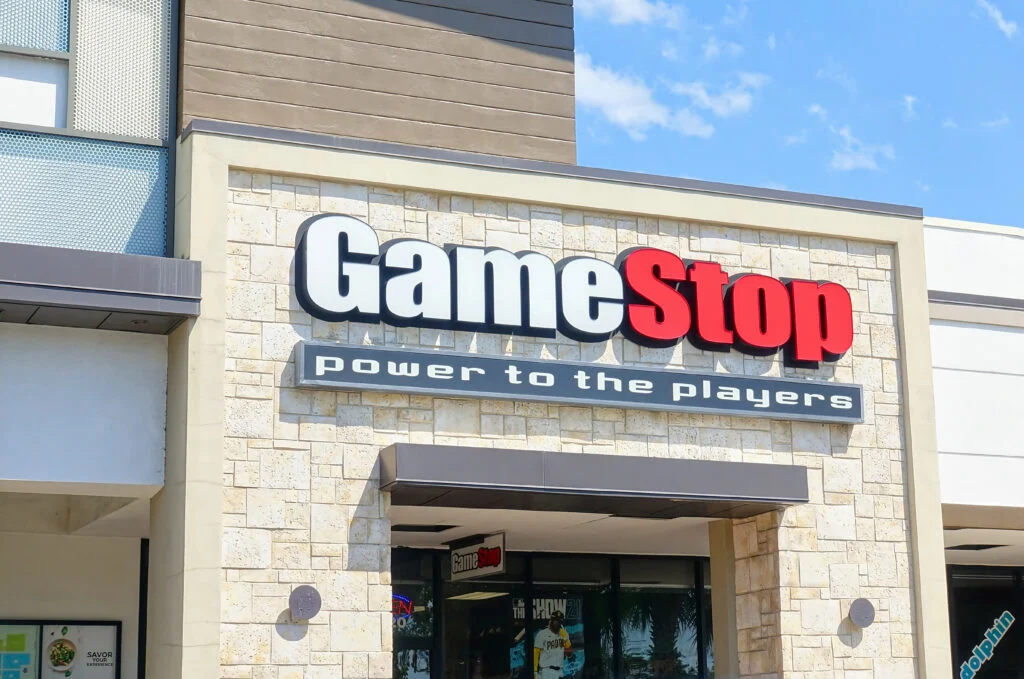
eBay officially turned down GameStop’s unsolicited $56 billion acquisition proposal on Tuesday, dismissing the $125-per-share offer as lacking both credibility and attractiveness. The announcement sent eBay shares down 1.3% to close at $106.68, while GameStop experienced a decline of nearly 2%.
The market anticipated this outcome. With eBay’s valuation sitting at approximately four times that of GameStop, Wall Street analysts had previously expressed skepticism regarding the financing arrangement behind the proposed half-cash, half-stock transaction.
In a public statement, eBay’s Chairman Paul Pressler outlined the board’s reservations, citing questions about funding mechanisms, potential impacts on sustained growth, and governance concerns regarding the merged entity’s leadership. The statement also emphasized eBay’s achievements under CEO Jamie Iannone’s tenure, noting a 201% stock appreciation over the past six years.
GameStop CEO Ryan Cohen’s proposal featured a $20 billion debt commitment from TD Bank. Nevertheless, individuals familiar with eBay’s position suggest the likelihood of securing the investment-grade rating necessary for such financing remains extremely low. Moody’s recently characterized the transaction as credit negative for eBay.

Cohen, who maintains a 5% ownership position in eBay, outlined his vision to CNBC, explaining how he could enhance eBay’s margins by implementing GameStop’s aggressive cost-reduction strategies and leveraging its 600 physical U.S. locations as a distribution advantage. He pledged to lead the combined organization as CEO without compensation, performance bonuses, or severance arrangements.
Morgan Stanley: More Moves May Be Coming
Morgan Stanley characterized the rejection as anticipated but identified multiple strategic options remaining available to GameStop. Analysts suggested Cohen might increase the purchase price, bypass management by appealing directly to eBay’s shareholders via a proxy contest, or arrange supplementary funding sources. The investment bank also acknowledged the possibility of competing bidders entering the arena now that eBay appears open to acquisition discussions. Still, Morgan Stanley cautioned that securing investor backing for the existing proposal appears challenging without a more substantial premium and greater cash consideration.
Stifel Raises Integration Doubts
Stifel similarly anticipated the board’s decision but highlighted more fundamental concerns. The firm questioned whether GameStop’s shareholder base would support such an ambitious transaction, citing the enormous disparity in corporate scale and significant execution risks. Stifel analysts expressed particular skepticism regarding Cohen’s claim of achieving $2 billion in cost savings within a 12-month timeframe.
Regardless of these reservations, Stifel anticipates Cohen will counter the rejection and predicts ongoing tensions between the two corporations.
Not all GameStop investors support the strategy. Michael Burry, famous for his “Big Short” investment thesis, divested his GameStop position following the bid announcement, cautioning that the deal would burden the company with excessive leverage and erode shareholder equity.
Speculators on the Polymarket prediction platform currently estimate just a 13% likelihood of GameStop successfully completing the acquisition — odds that declined further following Tuesday’s rejection.
eBay maintains an EBITDA margin of 31%, approximately triple GameStop’s 10% margin. Over the trailing twelve months, eBay shares have surged 56% while GameStop has fallen 18%.
Get 3 Free Stock Ebooks
Discover top-performing stocks in AI, Crypto, and Technology with expert analysis.
- Top 10 AI Stocks - Leading AI companies
- Top 10 Crypto Stocks - Blockchain leaders
- Top 10 Tech Stocks - Tech giants


