


Key Highlights
- Super Group introduced its ZAR Supercoin stablecoin through a beta program for Betway South Africa users in mid-April, targeting reduction of substantial transaction costs throughout the region.
- The digital token maintains a 1-1 peg with South Africa’s rand, trades on Luno exchange, operates via Solana’s network, and features reserve backing from ABSA Group with reserves at 134.54% of circulation.
- Super Group posted $2.2 billion in annual revenue, with the African continent generating a 27% surge in gross gaming turnover and South Africa contributing 30%–39% of company-wide income.
- Unlicensed international gambling operations capture approximately 62% of South Africa’s digital betting sector, with more than R50 billion in annual gross gaming revenue leaving the country.
- Industry analysts highlight that coordination gaps between South Africa’s cryptocurrency and gambling regulators pose obstacles to broader stablecoin implementation, though Nigeria, Ghana, and Kenya may adopt similar solutions if trials prove successful.
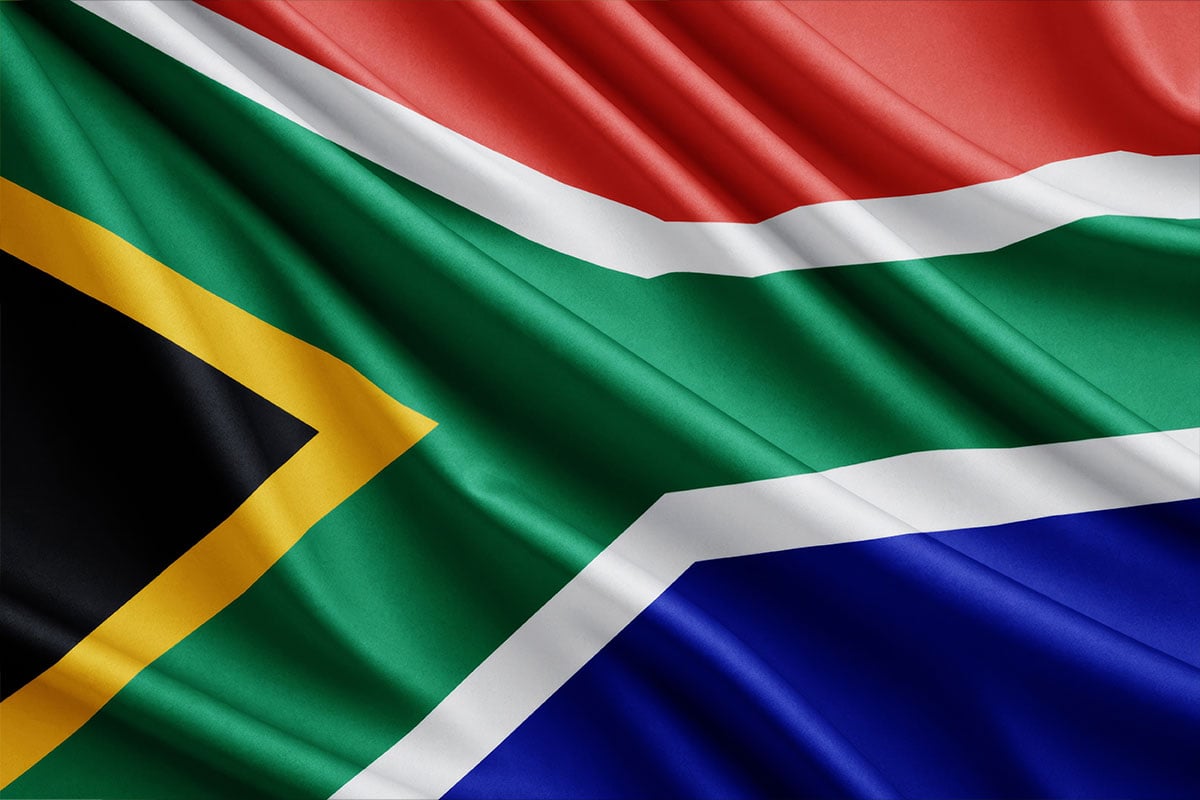
Super Group, the New York Stock Exchange-traded igaming and betting operator, has initiated trials of a stablecoin-based payment system for its Betway platform in South Africa. The initiative seeks to address the substantial transaction fees that diminish margins across the company’s African operations.
The cryptocurrency, branded as ZAR Supercoin, entered a limited beta phase during mid-April for Betway’s South African customer base. Super Group’s chief executive Neal Menashe outlined the deployment during the organization’s quarterly earnings presentation on May 12.
Company Addresses Africa’s Expensive Payment Infrastructure
Menashe identified payment processing charges as the organization’s largest post-tax operational cost, particularly within the sportsbook segment. He emphasized that the continuous pattern of deposits, withdrawals, and re-deposits creates significant financial burden.
“That ecosystem, we are getting right,” Menashe stated during the presentation.
The African market represents a cornerstone of Super Group’s business model. The organization disclosed that yearly revenue climbed by $396.8 million compared to the previous year, reaching $2.2 billion, propelled by robust continental performance. The African region experienced a 27% expansion in gross gaming turnover.
South Africa independently generates between 30% and 39% of the organization’s aggregate revenue.
The stablecoin maintains a 1-to-1 valuation against the South African rand and trades on the Luno digital currency platform. ABSA Group manages custodial services for the fiat reserves backing the token. The currency launched on the Solana network, with Chainalysis delivering regulatory compliance infrastructure.

A reserve audit from Moore Blockchain and Digital Assets dated May 11 indicated that as of April 30, ZARSC 4,027,042 existed in active circulation. The reserve coverage ratio registered at 134.54%, demonstrating reserves surpassing outstanding supply.
Super Group projects that stablecoin transaction volumes throughout Africa could achieve $100 billion across priority markets.
Unlicensed Operations and Regulatory Fragmentation Create Challenges
The trial launches amid South Africa’s digital gambling sector grappling with challenges from unlicensed international operators. The South African Bookmakers Association determined that unauthorized platforms comprise roughly 62% of the nation’s digital betting landscape.
Over R50 billion, approximately $3 billion, in gross gaming turnover exits the country annually. As many as 16 million South Africans participated on unauthorized gambling platforms during 2025.
Cryptocurrency advisor Stefan Kovach emphasized that the fee reduction rationale presents the most compelling argument for digital currency adoption in South Africa’s market. Conventional banking charges exceed R1 even for minimal transactions, whereas stablecoin transfers can eliminate fees entirely.
Kovach further noted that nearly instantaneous transactions, enhanced privacy, and borderless functionality represent genuine benefits. Nevertheless, he acknowledged that value fluctuations, absence of consumer safeguards, and increasingly stringent KYC mandates remain areas of concern.
Wendy Rosenberg from Werksmans Attorneys observed that bettors increasingly utilize cryptocurrency to fund accounts across both authorized and unauthorized platforms. She highlighted that unlicensed offshore operators employ crypto to circumvent banking limitations and evade KYC protocols.
South Africa’s Financial Sector Conduct Authority classifies cryptocurrency as a financial instrument. Crypto asset service operators must secure licensing under the Financial Advisory and Intermediary Services Act.
However, legal professionals Angela Itzikowitz and Dylan Martheze from ENS Africa indicated that two oversight bodies — the FSCA governing crypto and the National Gambling Board overseeing gaming — have not yet coordinated on this matter. Digital casino gambling remains predominantly prohibited, and the Remote Gambling Bill has not advanced to legislative voting.
Menashe indicated the organization would maintain a cautious approach with the trial before evaluating expansion across seven additional African territories where it maintains operating licenses. Ghana implemented its Virtual Asset Service Providers legislation in December 2025.
Kovach suggested that West Africa, especially Nigeria and Ghana, represents the most probable region for the subsequent surge in crypto gambling engagement. Monetary volatility and mobile-centric demographics serve as primary catalysts.
Regulated cryptocurrency gambling is simultaneously advancing in Europe. The UK Gambling Commission has indicated willingness to permit crypto transactions if appropriate regulatory architecture is established by governmental authorities.
Get 3 Free Stock Ebooks
Discover top-performing stocks in AI, Crypto, and Technology with expert analysis.
- Top 10 AI Stocks - Leading AI companies
- Top 10 Crypto Stocks - Blockchain leaders
- Top 10 Tech Stocks - Tech giants


