


Key Highlights
- Consumer price growth in the eurozone accelerated to 3.2% year-over-year in May from April’s 3.0%
- Energy costs soared 10.8% annually, fueled by Iran conflict and disrupted shipping routes through Hormuz
- European Central Bank implemented its first rate increase in close to three years last week
- Preliminary US-Iran peace agreement could restore Strait of Hormuz access by week’s end
- Chief economist Philip Lane confirms ECB will maintain vigilant stance on price stability post-agreement
Consumer prices across the eurozone gained momentum in May, climbing to an annual rate of 3.2%, an increase from the previous month’s 3.0% reading. Wednesday’s official data from Eurostat aligned with analyst predictions.
When measured month-over-month, price pressures eased significantly to 0.1% compared to April’s 1.0% increase, matching market expectations.
The primary catalyst behind the acceleration was energy, which posted a 10.8% annual gain. This dramatic increase stems from the blockage of the Strait of Hormuz following coordinated US-Israeli military operations against Iran beginning in late February. Additional strikes targeting natural gas infrastructure throughout the Gulf region compounded pressure on European energy markets.
Central Bank Implements First Rate Increase Since 2023
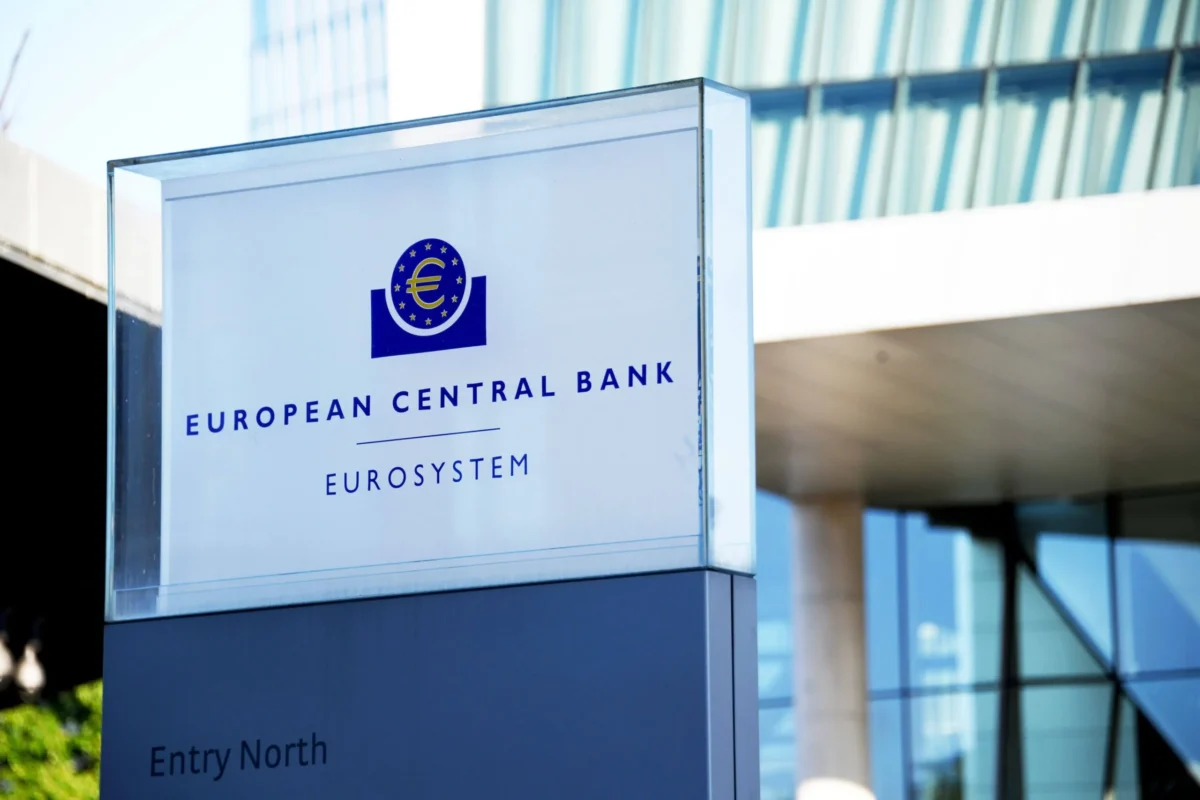
Reacting to mounting inflationary pressures, the European Central Bank implemented a rate hike last week, marking its first such move in nearly three years. Bank officials emphasized that upside inflation risks continue to pose concerns.
Revised ECB forecasts now project average annual inflation reaching 3.0% in 2026, declining to 2.3% in 2027, before settling at 2.0% in 2028. These projections represent an upward revision from earlier estimates of 2.6%, 2.0%, and 2.1% respectively.
ECB President Christine Lagarde indicated the central bank anticipates inflation will normalize to its 2% target by fall 2027. However, she emphasized that sustained elevated energy prices could push inflation higher than currently anticipated.

Lagarde characterized the current economic climate as one where “growth is absent or under threat.”
Economic expansion projections for the eurozone have also been downgraded. The region now faces expected growth of just 0.8% this year, reduced from an earlier 0.9% forecast.
Core inflation, excluding volatile energy, food, alcohol, and tobacco components, registered 2.6% annually. This represents a notable jump from April’s 2.2% and marginally exceeds the 2.5% consensus forecast.
Further Monetary Tightening Remains on the Table
Philip Lane, serving as the ECB’s chief economist, emphasized the institution will maintain a “proactive” approach despite recent declines in oil prices following progress in US-Iran negotiations.
Lane observed that crude prices remain elevated relative to pre-conflict levels. Market participants are currently pricing in at least one additional rate increase before year-end, with September or October viewed as the most probable timing. The ECB’s deposit facility rate currently sits at 2.25%.
A preliminary peace framework between Washington and Tehran is scheduled for signing this Friday. The accord would restore commercial navigation through the Strait of Hormuz and end the American naval blockade of Iranian ports.
Lane highlighted underlying strength in the eurozone economy, citing recovery in the construction sector, improving real wage growth, and expanded fiscal programs in Germany as encouraging developments.
“Lots of individual items are positive,” Lane said. “And so the clearly negative energy shock is in the context of this wider resilience.”
Future monetary policy adjustments will hinge on stabilization of crude prices and the trajectory of geopolitical tensions in the region.
Get 3 Free Stock Ebooks
Discover top-performing stocks in AI, Crypto, and Technology with expert analysis.
- Top 10 AI Stocks - Leading AI companies
- Top 10 Crypto Stocks - Blockchain leaders
- Top 10 Tech Stocks - Tech giants


