


Key Highlights
- Michael Burry expanded his Nvidia short exposure prior to the Q2 earnings release, simultaneously purchasing December call options for downside protection
- Despite calling Nvidia “wildly undervalued on paper,” Burry maintains the stock’s actual intrinsic value sits far below current trading levels
- The investor also initiated short positions in Oracle, Palantir, Nebius, and Caterpillar
- Nvidia delivered adjusted earnings of $2.22 per share, surpassing the $2.09 consensus, while revenue climbed 106% to reach $96.2 billion
- Shares of Nvidia jumped 7.2% during premarket hours following the quarterly results
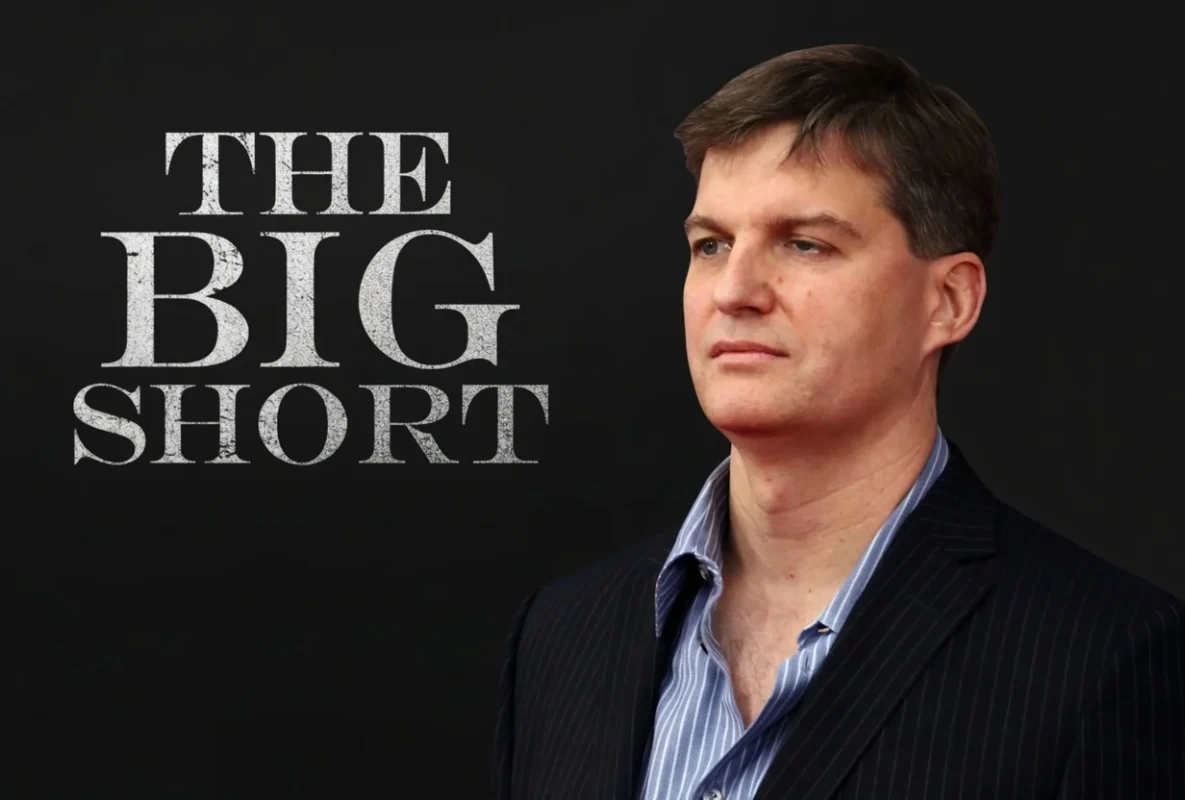
The investor behind The Big Short fame, Michael Burry, executed a strategic two-pronged approach to Nvidia before the company unveiled its second-quarter results. While increasing his bearish wager against the chipmaker, he simultaneously purchased December call options—a move he characterized as protective hedging instead of optimistic speculation.
In a Substack post, Burry acknowledged that Nvidia appears “wildly undervalued” at first glance, pointing to its attractive price-to-earnings multiple relative to growth metrics. However, he emphasized that his calculated fair value for the semiconductor giant sits “much lower than today’s market value.”
The Case for Shorting
Burry questions whether Nvidia’s dominance in artificial intelligence chips, exceptional profit margins, and quasi-monopolistic market position will prove as durable as investors currently anticipate. He identifies concerns regarding AI capital expenditure sustainability and what he characterizes as circular financing patterns within the technology sector.
The call options he acquired expire in December with strike prices ranging from the mid-to-high $200s, secured at a single-digit premium cost. Burry explicitly stated these derivative contracts were purchased solely for risk management purposes, not profit generation.
According to Burry, he would not have entered the call option positions without maintaining his more substantial short and put positions. His put option holdings represent approximately 3.5% to 4% of his total portfolio allocation, while his combined short stock exposure has expanded beyond 21%—excluding put contracts.

The investor candidly admitted his historical performance using this earnings-related hedging approach has produced inconsistent results.
Strong Quarterly Performance from Nvidia
On August 26 following market close, Nvidia unveiled impressive second-quarter fiscal 2027 performance. The company posted adjusted earnings of $2.22 per share, exceeding analyst projections of $2.09 and representing a 120% year-over-year increase.
Total revenue skyrocketed 106% to $96.2 billion, significantly outpacing Wall Street’s $92.27 billion forecast.
Shares advanced 7.2% in premarket activity after the earnings announcement. This upward movement likely challenged Burry’s short thesis, though his call option hedge would have partially neutralized losses.
In addition to Nvidia, Burry established fresh short positions across Oracle, Palantir, Nebius, and Caterpillar. These trades signal his wider apprehension about elevated market valuations and questions surrounding the longevity of the artificial intelligence spending boom.
According to TipRanks, Nvidia maintains a Strong Buy consensus rating with 29 Buy ratings and zero Hold or Sell ratings. The average analyst price target stands at $306.75, suggesting potential upside of 46.3% from current price levels. The stock has gained 12.6% year-to-date.
Burry’s dual-sided strategy positions him to capture partial protection regardless of near-term price direction, although his primary conviction clearly leans bearish.
Get 3 Free Stock Ebooks
Discover top-performing stocks in AI, Crypto, and Technology with expert analysis.
- Top 10 AI Stocks - Leading AI companies
- Top 10 Crypto Stocks - Blockchain leaders
- Top 10 Tech Stocks - Tech giants


