


Key Highlights
- Micron stock advanced 1.7% during premarket hours, building on a remarkable 75% surge over the last month
- SK Hynix surged 12% while Samsung climbed 6.3% during Monday’s Asian trading session
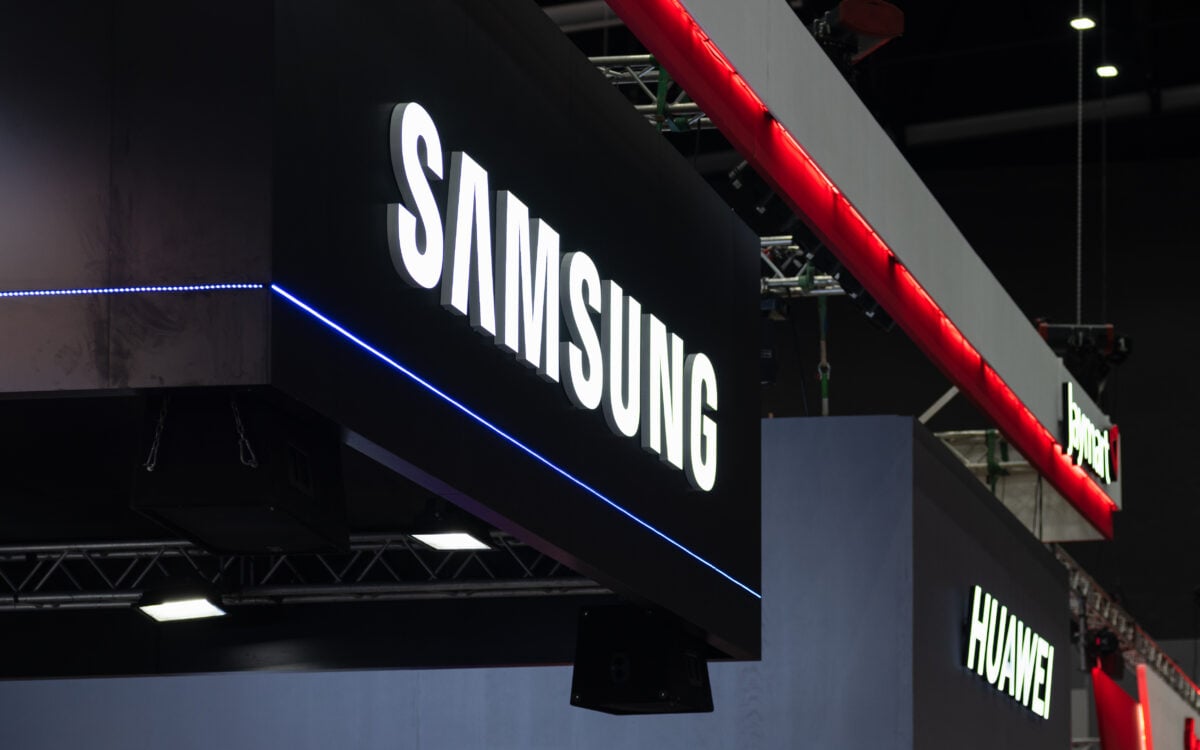
- Samsung’s labor unions are preparing for a potential 18-day work stoppage between May 21 and June 7 regarding compensation disputes
- Industry analysts warn the strike could disrupt approximately 3% of worldwide memory chip manufacturing
- JP Morgan analysts project the labor conflict could slash Samsung’s yearly operating earnings by more than 40 trillion won
Micron Technology shares climbed during Monday’s premarket session as market participants monitored escalating labor tensions at Samsung Electronics that threaten to disrupt the global memory semiconductor supply chain.
Micron’s stock advanced 1.7% ahead of the market open. This latest gain extends an impressive rally that has propelled the semiconductor manufacturer’s shares up 75% over the past thirty days, elevating its market capitalization beyond the $800 billion threshold.
SK Hynix posted similar strength, advancing 12% in Seoul trading. Samsung’s shares also participated in the rally, climbing 6.3%.
The three memory chip manufacturers have benefited from robust demand for memory components utilized in artificial intelligence hardware. This sustained demand has elevated pricing throughout the semiconductor industry.

The pressing concern driving market movements is the potential work stoppage at Samsung. Labor organizations representing Samsung employees are threatening to initiate an 18-day strike beginning May 21 and concluding June 7 if negotiations with company leadership fail to produce an agreement.
Samsung executives and union officials reconvened for discussions Monday under supervision from the National Labor Relations Commission. By Monday afternoon, no resolution had been achieved.
These negotiations represent post-mediation discussions, which constitute the final formal mechanism before a work stoppage becomes probable. Any settlement reached during this phase holds identical legal authority as a comprehensive collective bargaining contract.
The central issue dividing the parties involves Samsung’s compensation framework. Labor representatives are demanding that Samsung eliminate existing bonus limitations and allocate 15% of operational profits into a performance-based bonus fund. According to current profit projections, certain semiconductor division employees could potentially receive approximately 600 million won each.
Company leadership has proposed a specialized compensation arrangement but maintains its opposition to permanently eliminating the bonus ceiling, arguing that such a framework would prove financially unsustainable over extended periods.
Potential Impact on Semiconductor Supply Chains
Should the work stoppage proceed as planned, the union coalition representing approximately 73,000 workers anticipates participation from 30,000 to 40,000 employees. This figure substantially exceeds the 2024 strike, during which roughly 15% of approximately 32,000 union members participated.
Jefferies research indicates a strike could impact roughly 3% of worldwide memory chip manufacturing capacity. JP Morgan estimates Samsung could experience profit reductions exceeding 40 trillion won annually.
Any reduction in Samsung’s production output would presumably advantage Micron and SK Hynix, both of which market comparable products to overlapping customer bases.
Semiconductor Memory Demand Remains Elevated
JP Morgan semiconductor analyst Mixo Das noted in recent research that the supply-demand imbalance for memory chips is projected to expand through 2027. Customers are accelerating purchase orders amid concerns regarding potential future supply constraints.
Das indicated that 2027 and 2028 could witness sustained pricing power and volume expansion for the memory chip sector.
South Korea’s Labor Minister Kim Young-hoon stated Monday that both negotiating parties had committed to continuing discussions, characterizing it as encouraging progress while recognizing the complexity of ongoing negotiations.
Get 3 Free Stock Ebooks
Discover top-performing stocks in AI, Crypto, and Technology with expert analysis.
- Top 10 AI Stocks - Leading AI companies
- Top 10 Crypto Stocks - Blockchain leaders
- Top 10 Tech Stocks - Tech giants


